


China launches more than three new cars a day and leaves the US and Europe behind
With 650 debuts in a single semester and a relentless price war, China has redefined the speed of launches
By
João Paulo Profeta
Published on 2026-07-17 at 10:00 AM
Published on 2026-07-17 at 10:00 AM
Be the first to comment.
Summarize with:
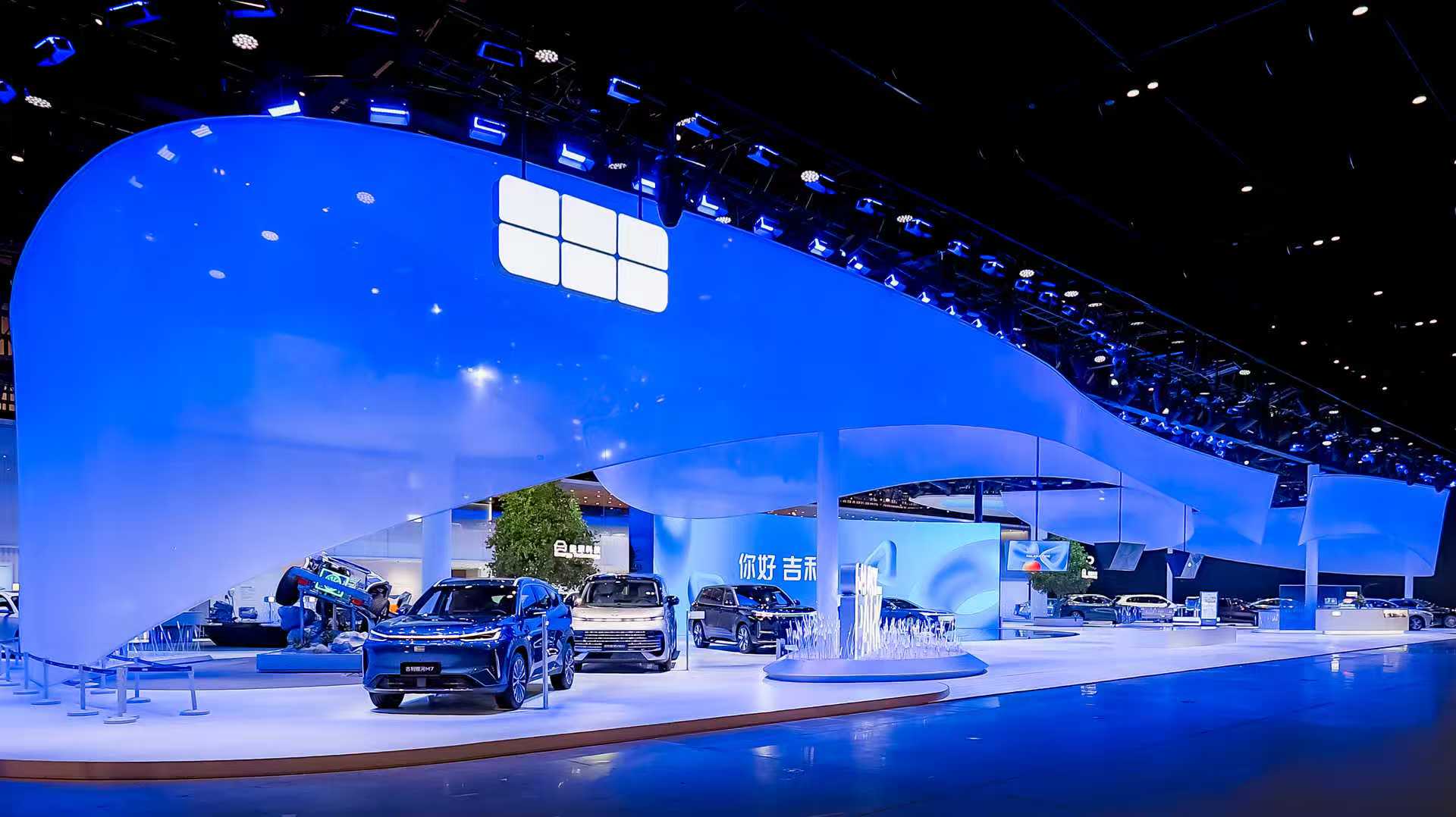
The Chinese automotive industry is experiencing a pace of launches that leaves the West behind. In the first half of 2025 alone, about 650 novelties reached the local market — an average of more than 3.5 premieres per day. The volume, calculated by the Chinese platform Dongchedi and reported by the Bloomberg agency, exceeds what the United States and Europe usually receive, combined, over an entire year.
The data are from last year, but they hardly differ from what is seen in 2026. The disparity with mature markets is what is most impressive. According to the Car Wars study, by Bank of America Securities cited by Bloomberg, the United States is expected to receive only 159 new models between 2026 and 2029 — in 2024, there were only 29 debuts. In Europe, the scenario is similar: according to the Association of European Vehicle Logistics, the continent gains 35 to 50 new models per year.
The Chinese number, however, calls for context: it brings together not only completely new vehicles, but also product updates, such as new versions, colors and configurations. Still, even isolating only completely new launches, the pace continues to impress: there have been about 30 per month since January, which resulted in approximately 180 new models throughout the semester. This volume helps to explain the fierce competition that is currently being waged among Chinese manufacturers, fierce by a price dispute that does not let up and pushes brands to anticipate each other.
Behind this cadence is a price war that has been going on for years and a change in the perception of the automobile itself, which is no longer just a means of transport to establish itself as a technological product. To keep the consumer’s attention, brands are forced to renew the offer all the time — and they have managed to drastically shorten development times, putting on the street, in less time, new batteries, driving assistance systems and other technologies that, a few years ago, would have taken entire development cycles to reach the market.
The pressure grows just at the moment when domestic demand shows signs of cooling. In June, passenger car sales in China fell 23 percent from the same month a year earlier, according to the local manufacturers association (CPCA). The retreat, however, did not slow down the pace of the industry. The aggressive renewal of the portfolio continues to be the main survival tool in a market where interest in a launch is exhausted in a matter of months, forcing each manufacturer to present the next novelty before the previous one loses its luster.
SEE MORE ABOUT

0 Comments
Comments are the sole responsibility of their authors and do not represent the opinion of this site. Comments containing profanity or offensive language will not be published. If you identify anything that violates the terms of use, please report it.