

Can warning about a blitz on WhatsApp get you jailed? Man is detained on BR-101 and reignites doubt
Caught filming vehicles on BR-101, suspect was part of a group that passed on the position of the PRF teams; case will be investigated
By
Eduardo Passos
Published on 2026-06-25 at 05:00 PM
Published on 2026-06-25 at 05:00 PM
Be the first to comment.
Summarize with:
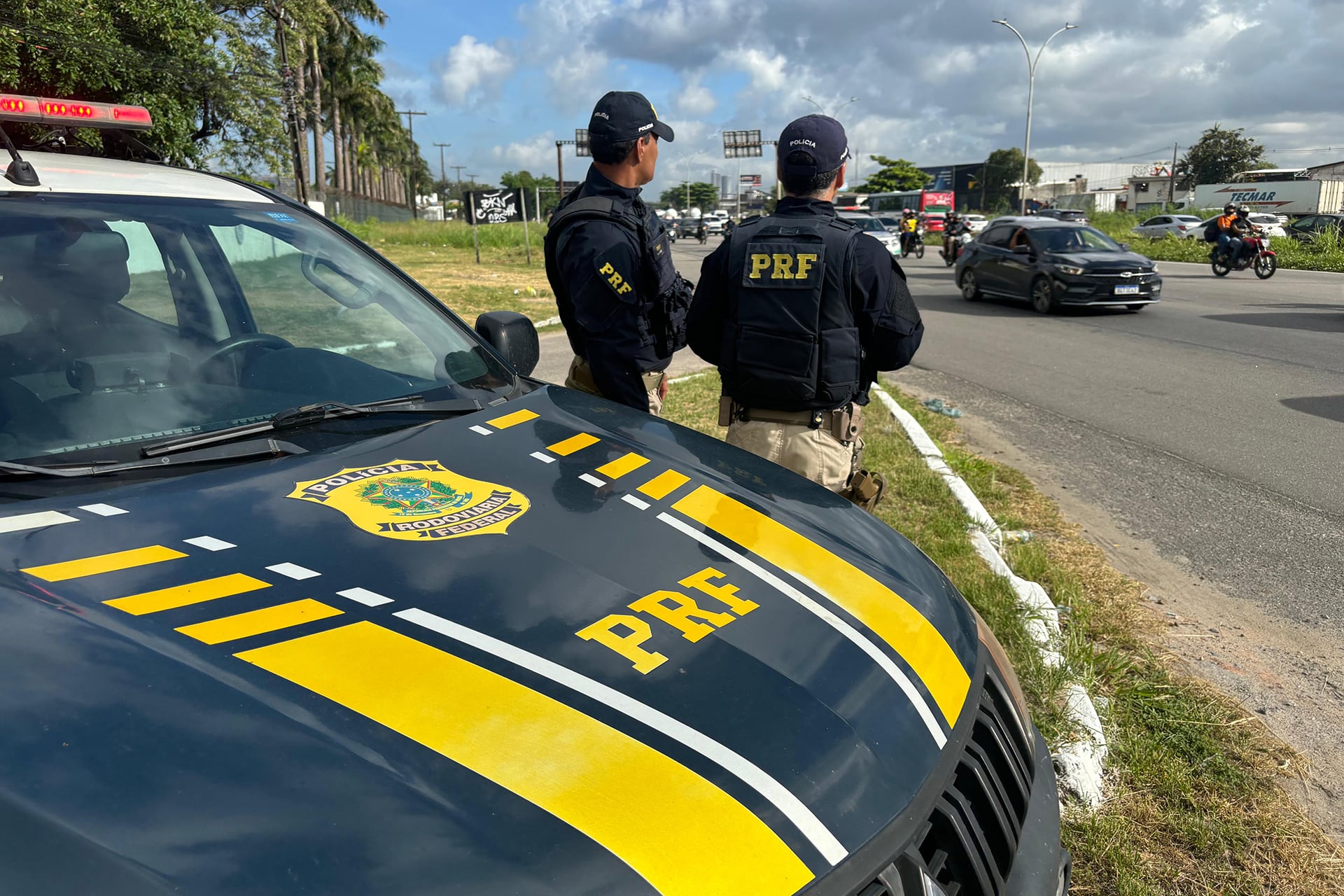
A man was detained by the Federal Highway Police (PRF) on Monday morning (22) on BR-101, in Casimiro de Abreu, Rio de Janeiro, on suspicion of monitoring and disclosing the location of the teams that were inspecting the highway.
According to the PRF, the agents realized that the man recorded photos and videos of the vehicles and the police officers on duty during a routine operation. The attitude motivated the approach. In the verification, the police found evidence that he was part of a message group used to share, in real time, the position of the corporation’s teams in the region. The approached himself confirmed that he participated in the group.
He was referred to the 121st Police Station, in Casimiro de Abreu, where the case was registered. The Civil Police must investigate the possible commission of a crime related to interference in public utility service. So far, there was no information about the name of the detainee or about the offer of a complaint.
The conduct of warning about blitzes and operations is usually framed by the authorities in article 265 of the Penal Code, which provides for imprisonment from one to five years for those who threaten the security or the operation of a public utility service. The provision, however, is the subject of controversy. Courts and jurists differ on whether it reaches the simple warning of an inspection – sporadic police activity – and there are decisions that have blocked cases because they consider the conduct atypical, on the grounds that the law punishes “paying attention”, and not “informing”.
The most severe understanding tends to prevail when monitoring serves as support for other crimes, such as cargo theft, trafficking or smuggling – hypotheses in which the surveillance of vehicles starts to function as a “scout” activity at the service of criminal groups, and can attract more serious criminal types.
SEE MORE ABOUT

0 Comments
Comments are the sole responsibility of their authors and do not represent the opinion of this site. Comments containing profanity or offensive language will not be published. If you identify anything that violates the terms of use, please report it.