

Brazil will have a national system to monitor the quality and spending of public transport
With federal transfer conditioned to performance indicators, the new tool provides for supervising the application of resources and raising the quality of service
By
Julia Vargas
Published on 2026-08-26 at 11:00 AM
Published on 2026-08-26 at 11:00 AM
Be the first to comment.
Summarize with:
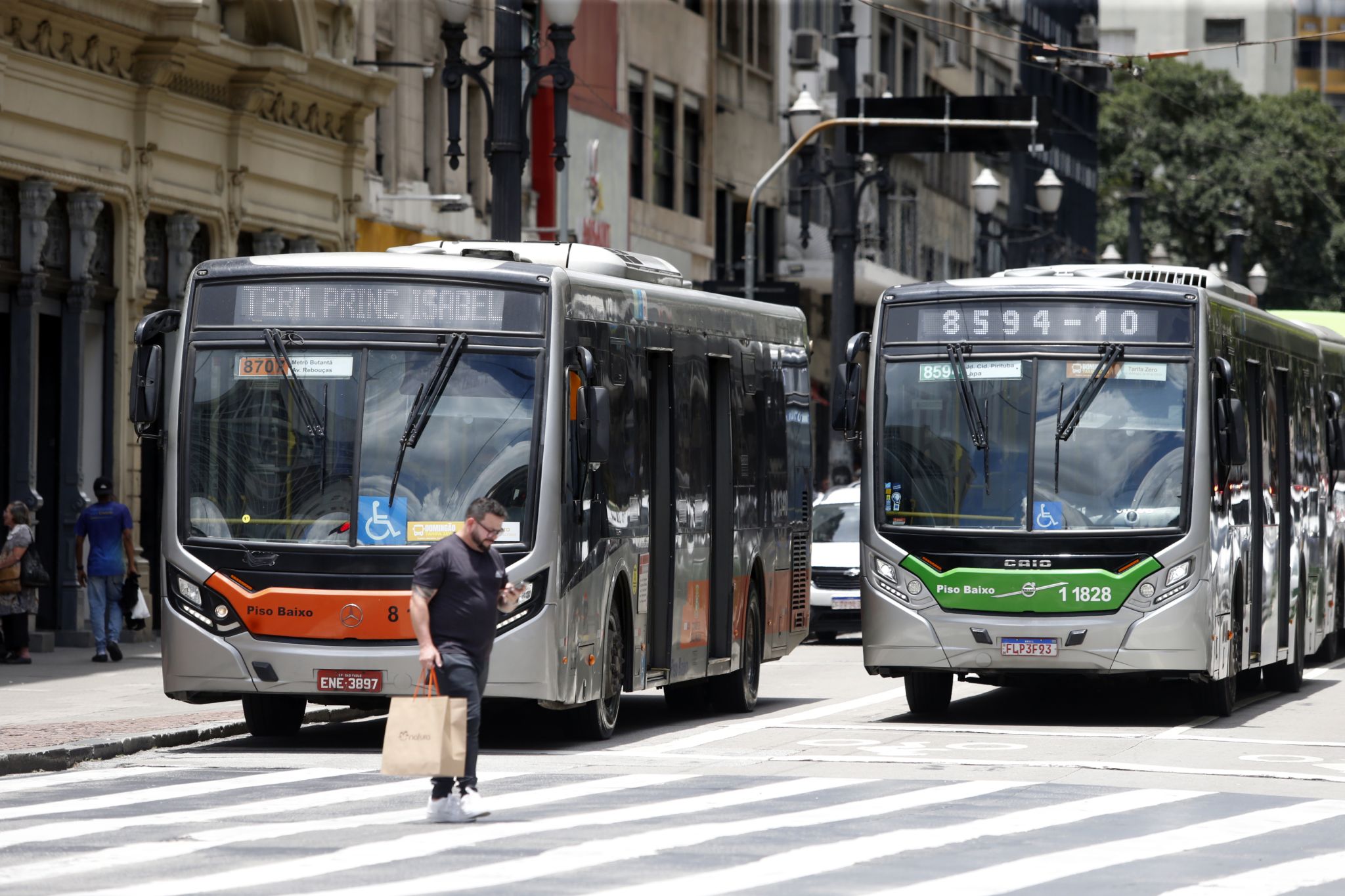
Announced by the Ministry of Cities during the NTU 2026 National Seminar, a new national platform will gather operational data on public transport to monitor the use of public funds and measure the efficiency of the service in the country. The measure regulates guidelines of the Legal Framework for Urban Collective Public Transport (Law No. 15,432/2026) and paves the way for the federal government to support the cost of the operation conditional on the fulfillment of quality goals.
SEE ALSO:
- Engine oil additive is a trap
- Don’t be the boring one: what not to do when riding the bus?
- National electric bus debuts in passenger transport at Confins airport
Highlights of the New Mobility Platform
- Real-time monitoring: centralization of ticketing information, fleet offer and vehicle tracking via GPS.
- Transparency of expenditures: social control of the use of public resources based on direct performance indicators.
- Support for municipal management: structured data to assist municipalities in modeling concessions, calculating actual costs and reviewing contracts.
- Transfer linked to goals: the Union evaluates co-financing the operation of the systems, requiring minimum standards of punctuality, frequency and comfort.
Change in Financing Logic
The consolidation of the Legal Framework formalized the distinction between the public fare (price paid by the user) and the remuneration of the service (real cost per passenger). The flexibility allows the financial difference to be covered by budget subsidies and extra-tariff revenues, enabling more affordable fares without compromising the financial health of the contracts.
Bottlenecks in Urban Planning
The implementation of the national system will face local technical capacity challenges. Data from the Ministry of Cities indicate that only 20.9% of municipalities with more than 20 thousand inhabitants required by law have an Urban Mobility Plan prepared, a proportion that rises to about 80% in cities with more than 250 thousand inhabitants.
Experts point out that technology must be accompanied by the institutional strengthening of city halls, prioritization of infrastructure (such as exclusive lanes) and definition of stable sources of funding to ensure the sustainability of public transport in the long term.
SEE MORE ABOUT

0 Comments
Comments are the sole responsibility of their authors and do not represent the opinion of this site. Comments containing profanity or offensive language will not be published. If you identify anything that violates the terms of use, please report it.