

Bigger cars, more deaths: Why fatal hit-and-runs skyrocketed 75% in the US
From 200 to 400 more pedestrians die per year because of larger cars; understand the role of physics and an Obama-era rule in this
By
João Paulo Profeta
Published on 2026-06-24 at 08:00 AM
Published on 2026-06-24 at 08:00 AM
Be the first to comment.
Summarize with:
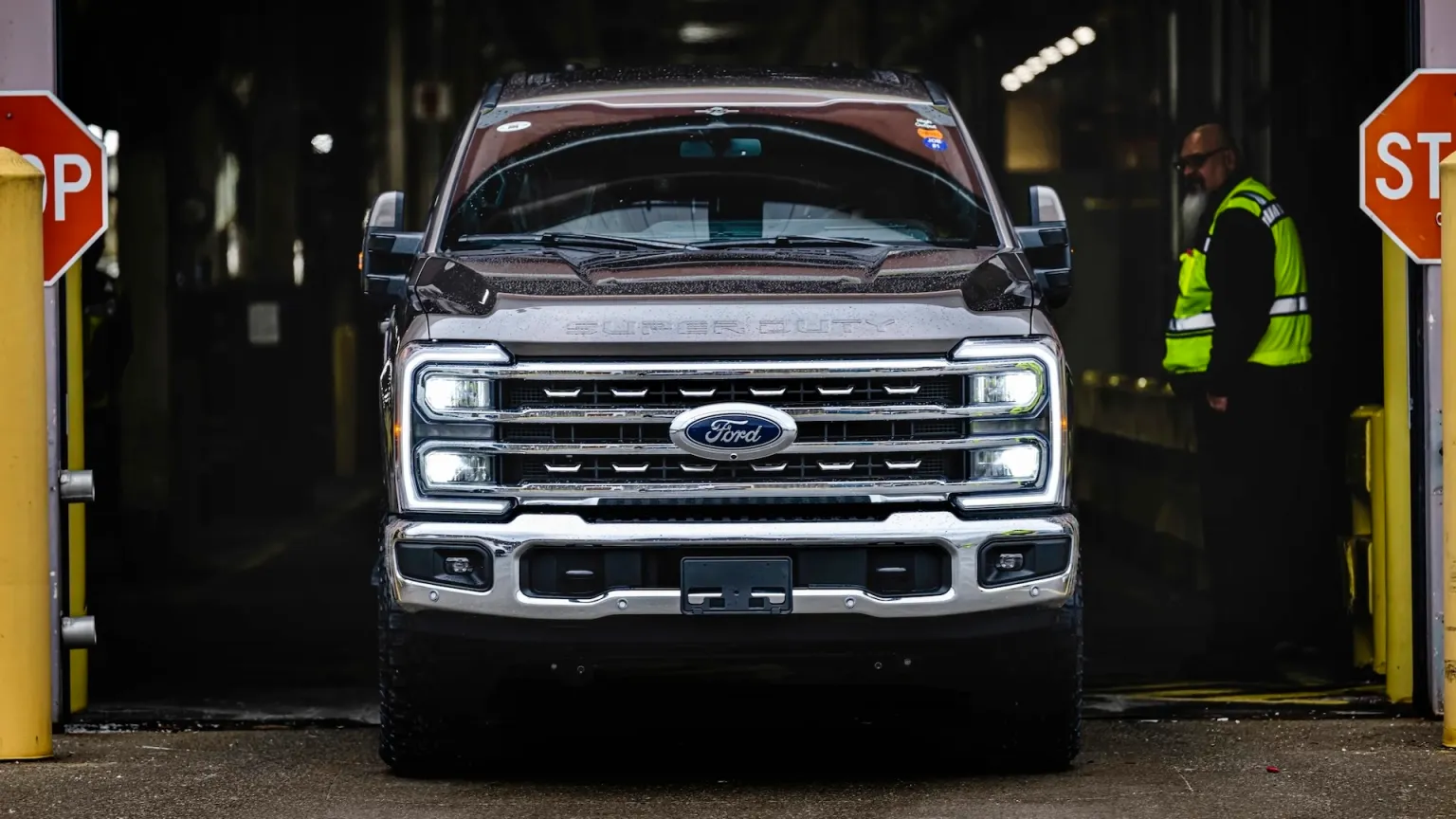
The 75 percent increase in pedestrian deaths in the United States since 2009 is no coincidence, but a direct consequence of the way cars have changed. A survey by The New York Times with the Insurance Institute for Highway Safety (IIHS) gathered unprecedented data on vehicle dimensions and confirmed what was already suspected: the continuous growth of pickup trucks and SUVs in size, weight and height has made the streets more dangerous for those who walk.
According to the study, 200 to 400 pedestrians would not die every year if the vehicles had maintained the dimensions of 25 years ago, equivalent to about 10% of the recent increase in deaths. The phenomenon has a dated origin. The boom in pickup trucks and SUVs came from the 1990s, was interrupted by the 2008 crisis and came back with force soon after, turbocharged by a regulatory turnaround and the Cash for Clunkers program, which erased almost 700 thousand used cars from the market and pushed buyers to new models.
Barack Obama’s policy
It was then that the so-called “footprint model” came into play, a revision of the Obama era that began to classify automobiles by physical criteria, such as tire dimensions and size. In practice, the rule allowed automakers to pollute more as long as they manufactured larger cars. The side effect was the rise of the SUV and crossover, which dethroned the midsize sedan as Americans’ favorite family car.
From the point of view of physics, the danger is multifactorial. Spreading the impact over a larger area would even reduce the force on each part of the body, but this gain is canceled out by the mass, which only grows — in part because the small cars, which held the average, simply disappeared from the market.
Height is the second aggravating factor. In low sedans, the impact occurs on the legs; in pickup trucks and SUVs, it hits the body above the center of gravity. When this happens, the pedestrian is thrown in front of the vehicle, and not on it – a situation much more lethal because of the low visibility of these models. In crash tests done for the study by the company Forensic Rock, the researchers observed devastating accidents even at low speed, with the victim stopping under the wheels before the driver realized the hit-and-run.
Added to this are the huge blind spots of the imposing bumpers. Advances in tires and safety systems have given drivers more control over increasingly heavy machinery, but that gain doesn’t extend to those outside the car. Europe has been demanding safer pedestrian front designs for years; in the United States, the topic is only now gaining traction among regulators.
SEE MORE ABOUT

0 Comments
Comments are the sole responsibility of their authors and do not represent the opinion of this site. Comments containing profanity or offensive language will not be published. If you identify anything that violates the terms of use, please report it.