


Aneel wants distributors to monitor electric cars and batteries connected to the grid
Proposal classifies equipment by the way it interacts with the network and provides for monitoring and response requirements to commands
By
Júlia Haddad
Published on 2026-09-11 at 11:00 AM
Updated on 2026-09-11 at 03:25 PM
Published on 2026-09-11 at 11:00 AM
Updated on 2026-09-11 at 03:25 PM
Be the first to comment.
Summarize with:
Electric cars, batteries and solar generation systems installed in homes and businesses can now be monitored — and, in some situations, remotely controlled — by energy distributors. This is what is provided for in the proposal put out for public consultation by the National Electric Energy Agency (Aneel), opened on Thursday (10) and which receives contributions until November 9.
The consultation updates Module 3 of the Electricity Distribution Procedures (Prodist) and creates an integrated approach for the so-called Distributed Energy Resources (REDs), a category that brings together distributed solar generation, storage systems, electric vehicles and loads capable of adjusting consumption according to grid conditions.
Rule now looks at function, not technology
Instead of setting separate requirements for each type of equipment, the draft classifies resources by how they interact with the grid: whether they inject energy, absorb electricity, or adjust their own operation on command. From there, it establishes requirements for monitoring, communication, and response to commands, as well as rules for protection, power quality, and control of injected power—all at minimum levels of observability, operability, and controllability.
The requirements may vary according to the size and impact of each resource on the grid, which tends to save smaller residential installations from the heaviest obligations. Aneel also states that the proposal defines expected functionalities without specifying brands, equipment or solutions, precisely so as not to block technologies that have not yet reached the market.
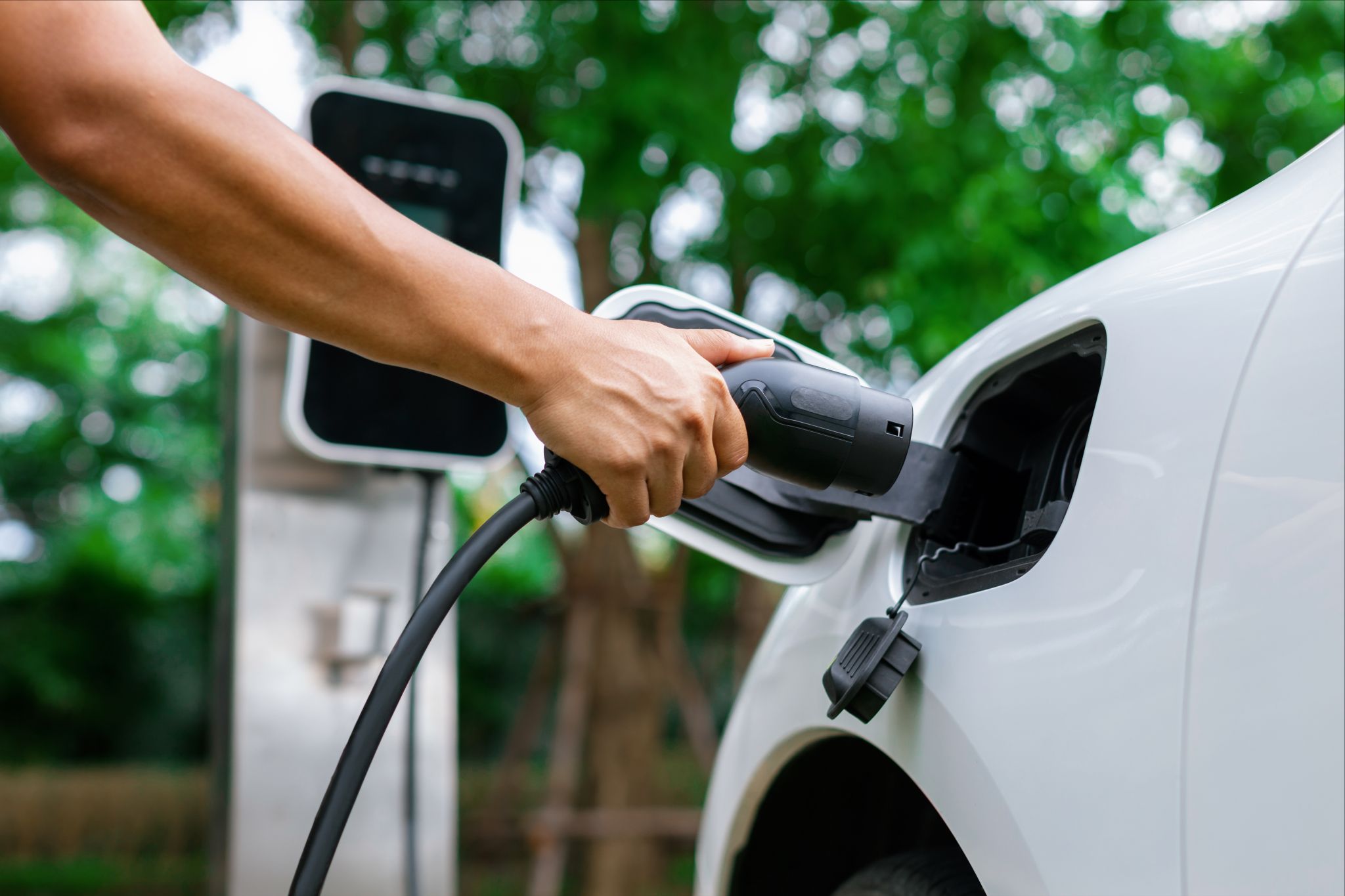
In practice, the electric car is no longer treated just as a charge and enters the same framework as stationary batteries. Nothing changes immediately: the text is a draft, and the rules are only valid after the consultation and decision of the agency’s board of directors is over.
Already installed equipment enters the discussion
A sensitive point is attached to the consultation: along with the draft, Aneel put up for debate a Regulatory Impact Analysis Report on the application of interoperability requirements to the existing park of distributed resources — that is, to solar systems, chargers and batteries that are already installed. It is the section that should concentrate the contributions of manufacturers and industry associations.
The proposal was born from a work by the National Electric System Operator (ONS) in cooperation with Aneel itself and with researchers from the Federal University of Santa Maria (UFSM), the Federal University of Uberlândia (UFU) and the State University of Western Paraná (Unioeste).
The backdrop is the loss of one-way flow: a house with solar panels alternates between consuming from the grid and injecting surpluses, and a battery can store electricity to return it hours later.
The consultation is open for 60 days. Consumers, distributors, manufacturers, universities and other interested parties can send suggestions by e-mail.
SEE MORE ABOUT

0 Comments
Comments are the sole responsibility of their authors and do not represent the opinion of this site. Comments containing profanity or offensive language will not be published. If you identify anything that violates the terms of use, please report it.