AI radars already fine on the Rodoanel: see what the cameras catch
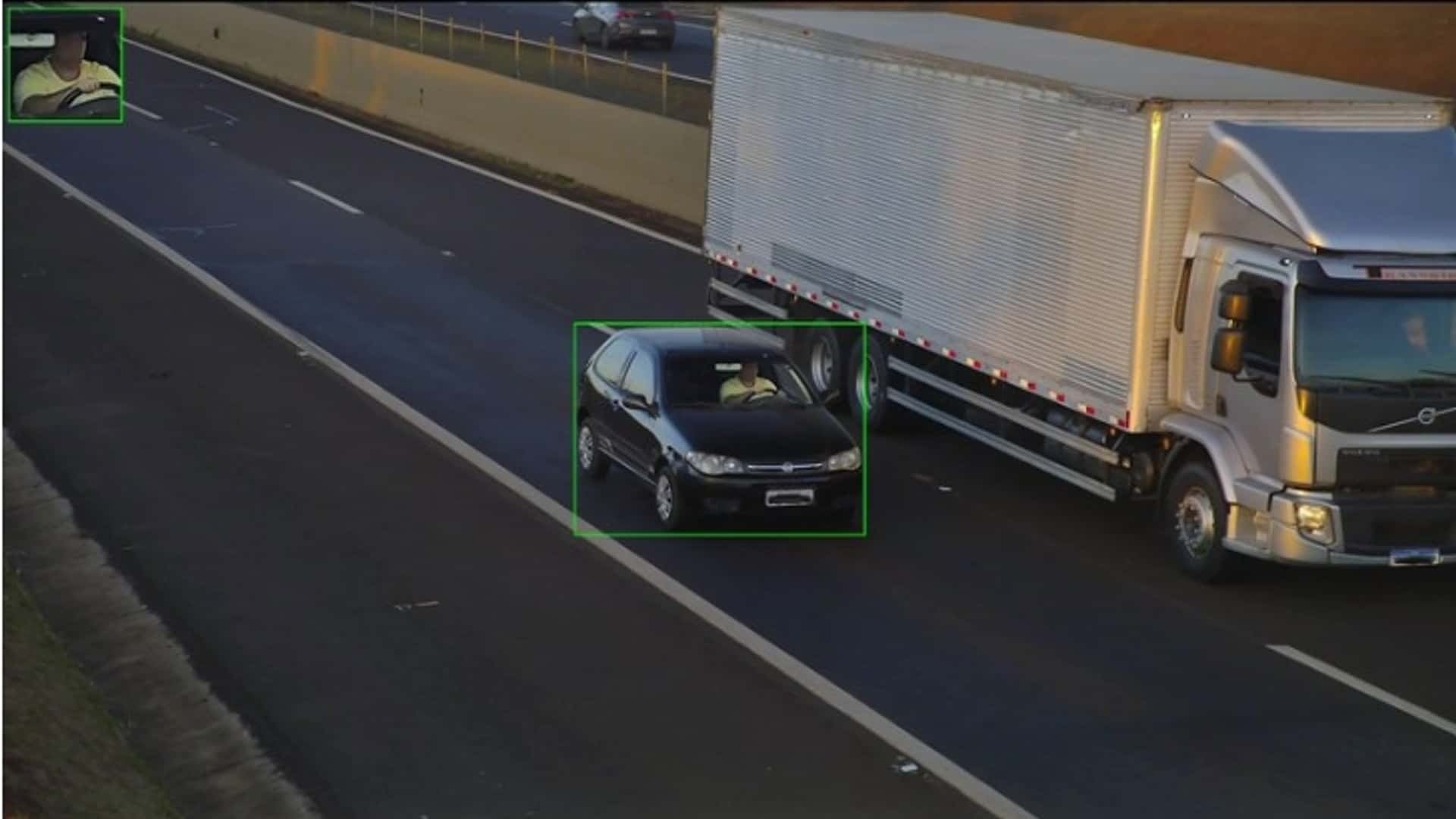
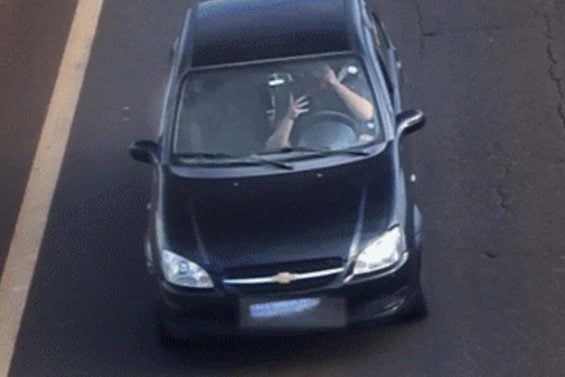
Cameras with artificial intelligence in the South and East sections of the Rodoanel catch drivers without belts and on their cell phones; see how they work
Source: Arteris ViaPaulista | Disclosure (New AI-powered radars need to be validated by a human operator)
Inspection with artificial intelligence on São Paulo’s highways has entered a new phase. After a period of testing, which served to calibrate the system and alert drivers, AI-equipped radars began to generate effective fines in São Paulo. The equipment is installed in the South and East sections of the Mário Covas Beltway, managed by the concessionaire SPMAR; the southern section connects to the Régis Bittencourt, Imigrantes and Anchieta highways. The concessionaire accounts for about 76% of the metropolitan stretch of the Rodoanel in operation in Greater São Paulo.
Unlike conventional radars, which focus only on speed, these devices use high-definition cameras and infrared sensors to monitor the behavior of the vehicle’s occupants 24 hours a day. According to the concessionaire, the equipment can analyze the images with a high degree of accuracy even with vehicles moving at high speeds, in search of two common and dangerous infractions: the use of cell phones while driving and the lack of seat belts.
During the testing phase, between May 12 and June 9, the equipment recorded 4,879 violations in 28 days, an average of 168.2 per day. Most of the flagrant cases involved the absence of a belt: 2,420 cases (49.6%) were of drivers without the equipment and another 1,440 (29.5%), of passengers. The use of cell phones while driving accounted for 1,019 occurrences (20.9%).
It is important to note that the fine is not automatic. The algorithm identifies possible irregularities, but the material is mandatorily validated by highway police officers before any fine. According to the responsible agencies, the objective of the initiative is not to collect, but to expand the inspection capacity and prevent accidents caused by distraction. For SPMAR, the priority is to act in prevention and driver education, and not in punishment.
The argument is supported by numbers. A survey by the Brazilian Association of Traffic Medicine (Abramet) points out that 90% of traffic incidents have among their causes some element of distraction, such as the use of cell phones or disrespect for the law.
The technology has also proven effective in recording risk situations and accidents in real time, which allows for a more agile response by rescue teams. AI-powered radars already operate in other parts of the state, such as stretches of Anhanguera, in Ribeirão Preto, and the Campinas-Mogi highway, in use since 2023, and other São Paulo concessionaires are studying adopting similar equipment.
Comments are the sole responsibility of their authors and do not represent the opinion of this site. Comments containing profanity or offensive language will not be published. If you identify anything that violates the terms of use, please report it.