Get to know details about the third generation of the best-selling van in the country and which is a great used option for work
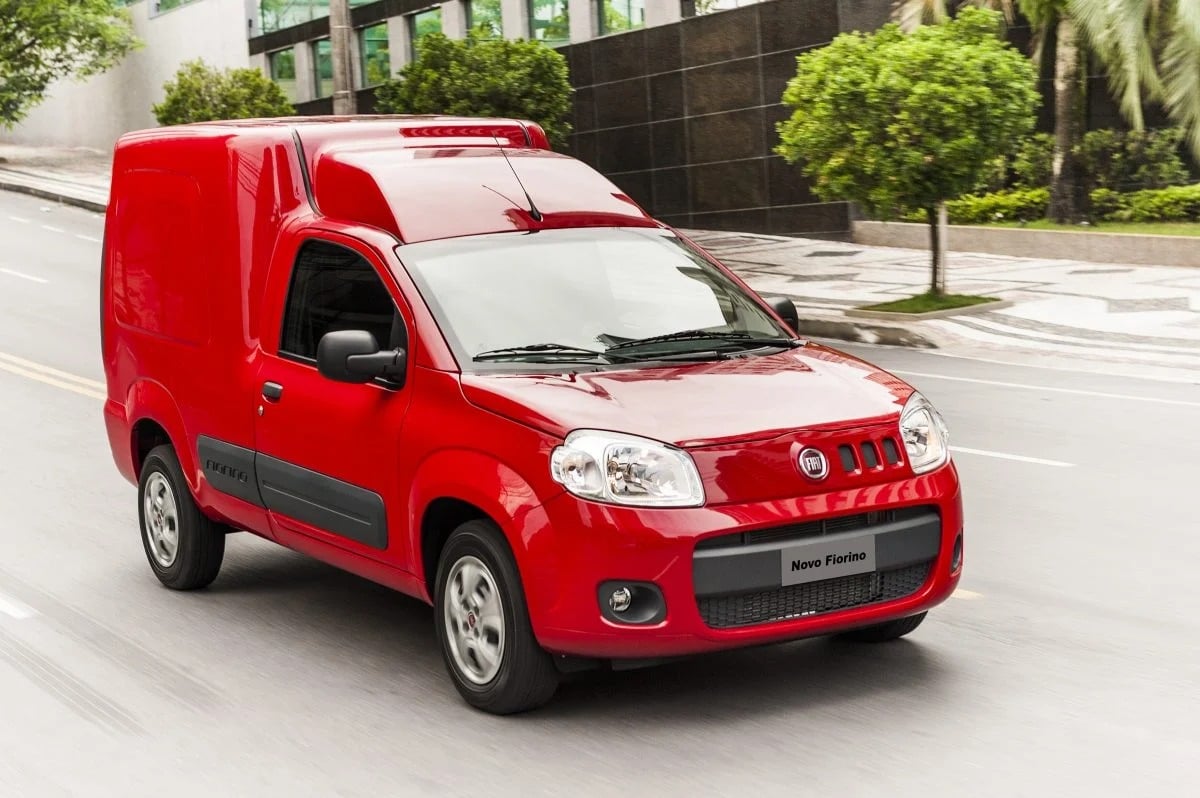
The Fiat Fiorino may not have the same sales volume as a Strada, but it is a jack of all trades and dominant in its territory. Among the so-called compact vans, made from passenger cars, it reigns supreme as the most licensed van of recent decades.
SEE ALSO:
Robustness, load capacity and cost/benefit can explain the success of the model between 0 km and also among used cars. In this content we will focus on the Fiat Fiorino 2015, the second generation.

See now 10 facts about the Fiat Fiorino.
The Fiorino was one of the first light commercial vehicles derived from a passenger car. The first generation was launched in 1980, derived from the 147 Pick-Up pickup, which was based on the 147 hatchback, the first car made by Fiat in Brazil.
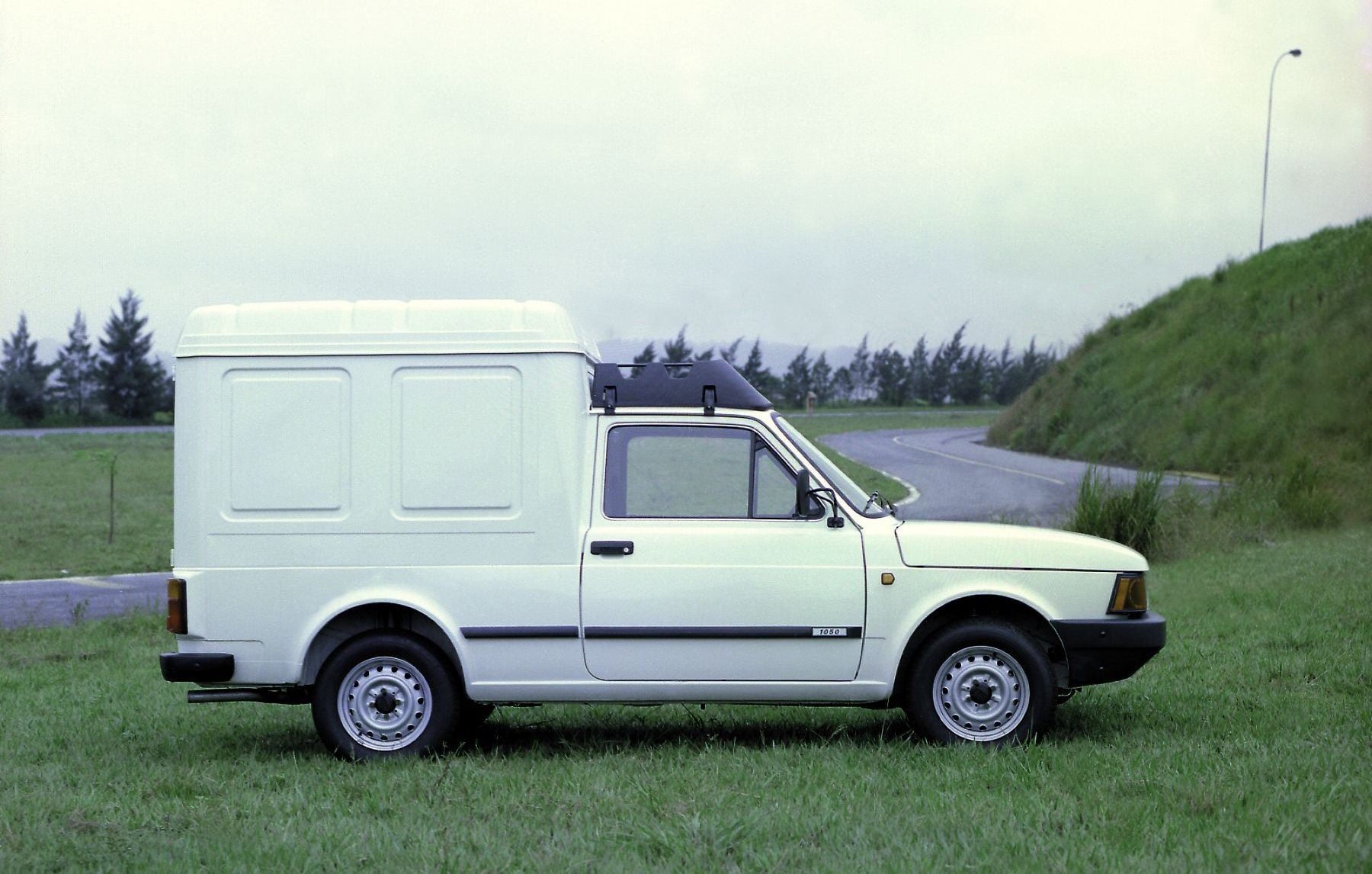
The second generation was launched in 1988, derived directly from the first Brazilian Uno, which had been running here since 1984. Compact, simple and brave, the little van began its life equipped only with the 1.5-liter four-cylinder engine – enough for the work proposal that it would embrace for decades.
Three years later, in 1991, came the first restyling In 1994, packed by the incentives of the reduced IPI, the Fiorino also gained version 1.0. At the same time, it replaced the McPherson rear suspension with a rigid axle, increasing robustness and load capacity – a feature that the Strada adopted years later.
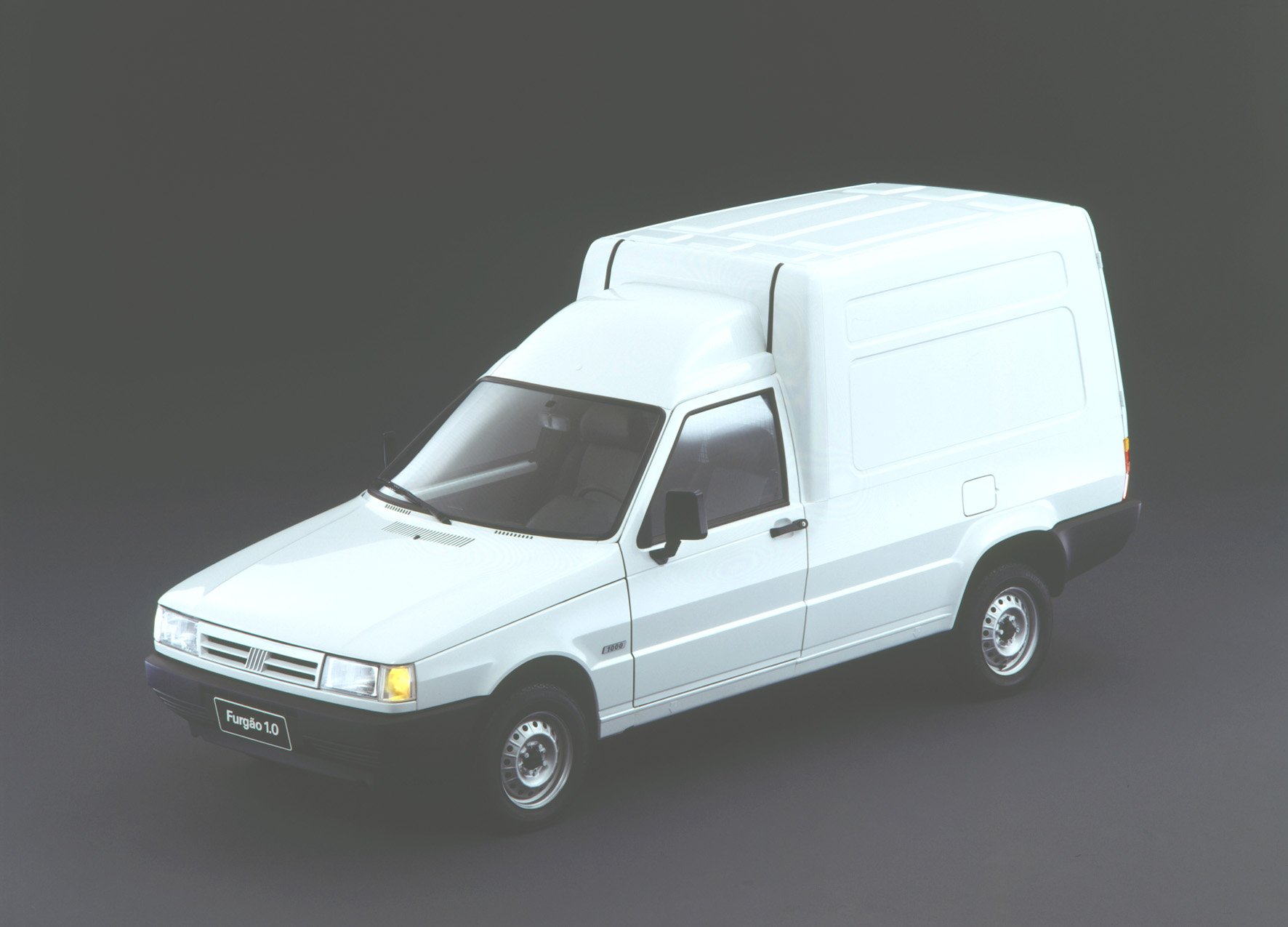
The early 2000s brought mechanical novelties: the 1.3 8V engine, already known in other Fiat models. But it was only in 2004 that the Fiorino gained a new look, adopting the front of the Mille. Two years later, the 1.3 became flex. This first phase of the Fiorino remained firm until 2012.
The Fiorino changed for real in 2013 when Fiat decided to make the van on top of the new Uno, launched three years earlier. With the very same front of the compact hatch, it soon received the nickname “Fioruno” – the rear uses Doblò taillights.
This second generation was born with a Fire 1.4 8V engine and in 2016 debuted a Hard Working version. In the 2022 line, the Fiat Fiorino was restyled, with the Pulse grille and darkened lenses in the headlights.
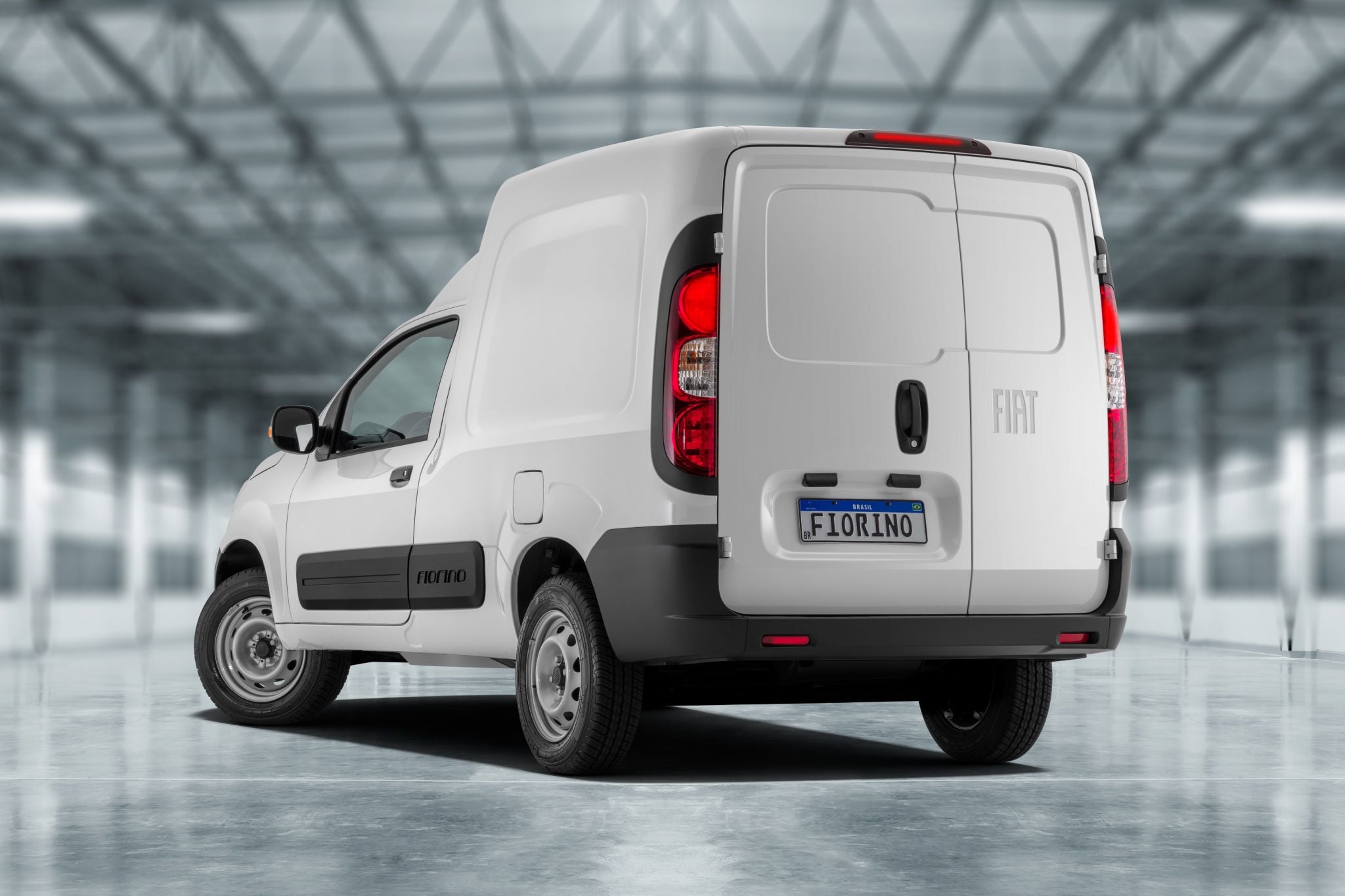
In addition, the interior has also been updated. The small van also had the engine recalibrated and started to be equipped with stability and traction controls as established by law.
In 2025, more changes to the Fiat Fiorino. The welcome arrival of the 1.3 6V Firefly engine and the adoption of electric steering assistance.
Few people remember, but the Fiorino already had a pickup version. It all started in 1988, when Fiat launched the Uno Pick-up to replace the old 147 Pick-up. In 1992, however, the brand decided to unify the identity and renamed the pickup as Fiorino – a name that, by the way, had already appeared in some versions of the predecessor.
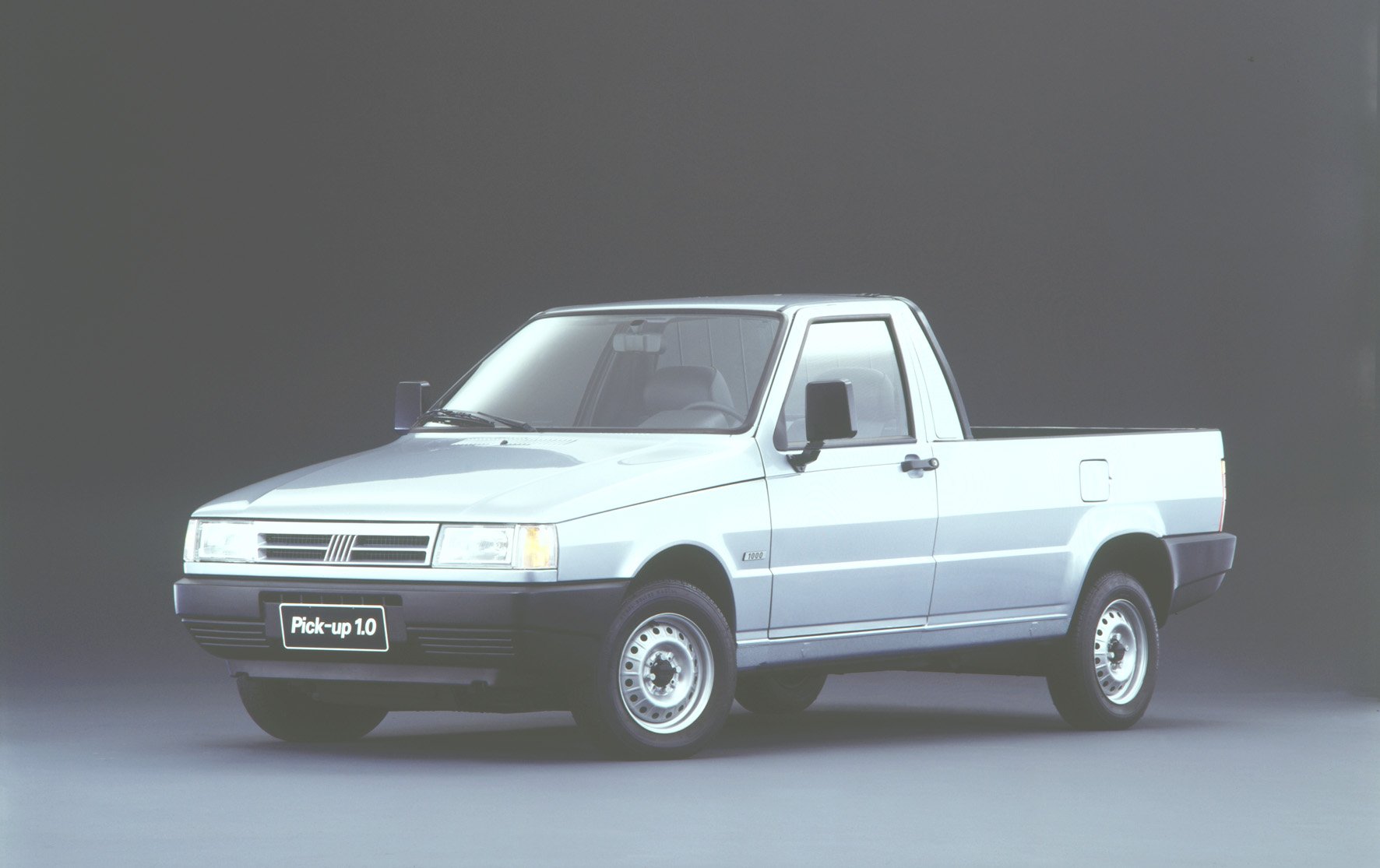
The Fiorino pickup quickly fell into the public’s taste. It has become one of the best-selling small compact pickup trucks in the country, with versions aimed at both work (Working) and leisure (Trekking). This formula even inspired the future Adventure and Strada lines.
The Fiorino pickup continued until 1999, when it made room for the Strada, this one derived from the Fiat Palio. But, while the pickup was retiring, the Fiorino van followed in line.
As said, the Fiat Fiorino started with the well-known Fire engine and in 2015 only had 1.4 8V versions. Empty, the 88 hp with ethanol and 85 hp with gasoline even perform well. But you have to stretch the first gears. The 0 to 100 km/h is around 12 seconds.
Remember that we are talking about a work car and that, loaded, the story changes in the van. In this case, the driver has to resort even more to the five-speed manual transmission to keep the engine smart when starting.
The resumptions benefit from the torque of 12,5 kgfm with ethanol and 12,4 kgfm, with gasoline, already available at 3,500 rpm. Either way, it’s a car to ride smooth in the city.
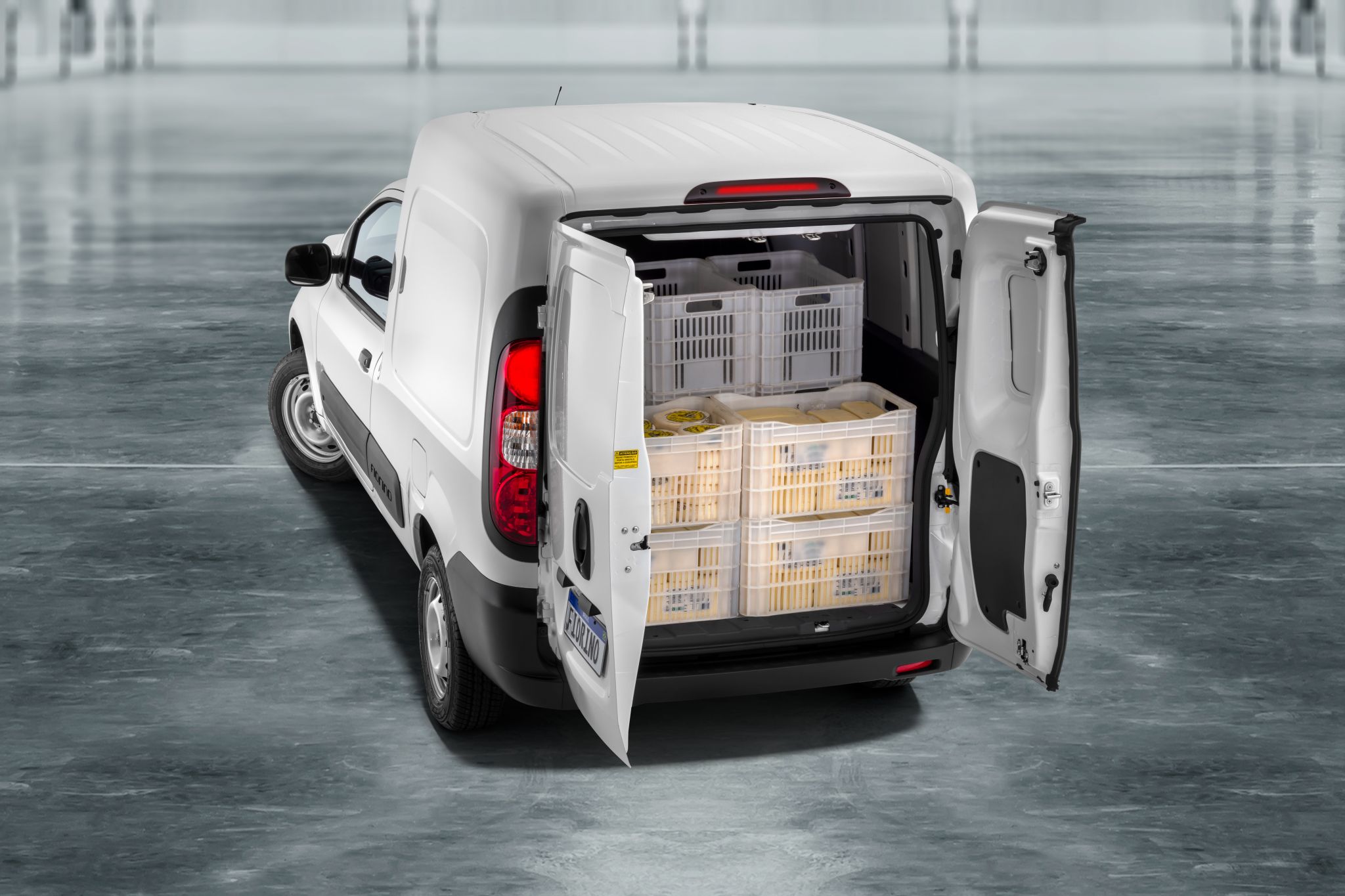
The Fiat Fiorino compartment has a volume of up to 3,100 liters. The load capacity is 750 kg, the same as a Strada double cab. The curb weight of the van is 1,118 kg and the ground clearance is 17.4 cm.
The urban consumption of the Fiorino 2015 is 7.5 km/l with ethanol and 10.7 km/l with gasoline. On the highway, 8.3 km/l and 12.1 km/l, respectively.
The Fiat Fiorino 2015 does not have much pity for the proletariat. The van comes with the minimum of the minimum. Brakes with ABS and dual front airbags, as well as three-point seat belts and headrests for both seats.
Other than that, light in the cargo compartment and 12V outlet. The rest was optional: reverse sensor, locks and electric windows, air conditioning, power steering, sound, on-board computer, steering wheel and driver’s seat height adjustment and even the tachometer…
In May 2022, Peugeot wanted to assert its know-how in the commercial vehicle market – the brand sells models such as Expert and Boxer well. But he decided to bet on the compact segment with a clone of the Fiat Fiorino.

That’s right, the Partner we knew (a multivan with a much larger cargo version) became the Partner Rapid. It is nothing more than the Fiorino with the Peugeot emblem. The two brands are part of Stellantis.
The 1.4 Fire engine of the Fiat Fiorino 2015 is an old acquaintance of the market and mechanics. The components of the van are also widely available at regular prices.
Fiat Fiorino 2015 1.4 Fire parts prices:
The main complaints in internet forums and records on Reclame Aqui concern water infiltration in the cabin and headlights, as well as premature wear of the steering wheel finish and dashboard parts that are too fragile.
In addition, there are endless recalls involving the van:



