


The higher the altitude, the lower the power of your car? Understand why!
The drop in atmospheric pressure reduces the amount of oxygen in the engine and affects performance; see difference in effect in turbo and aspirated vehicles
By
Julia Vargas
Published on 2026-08-21 at 07:00 PM
Published on 2026-08-21 at 07:00 PM
Be the first to comment.
Summarize with:
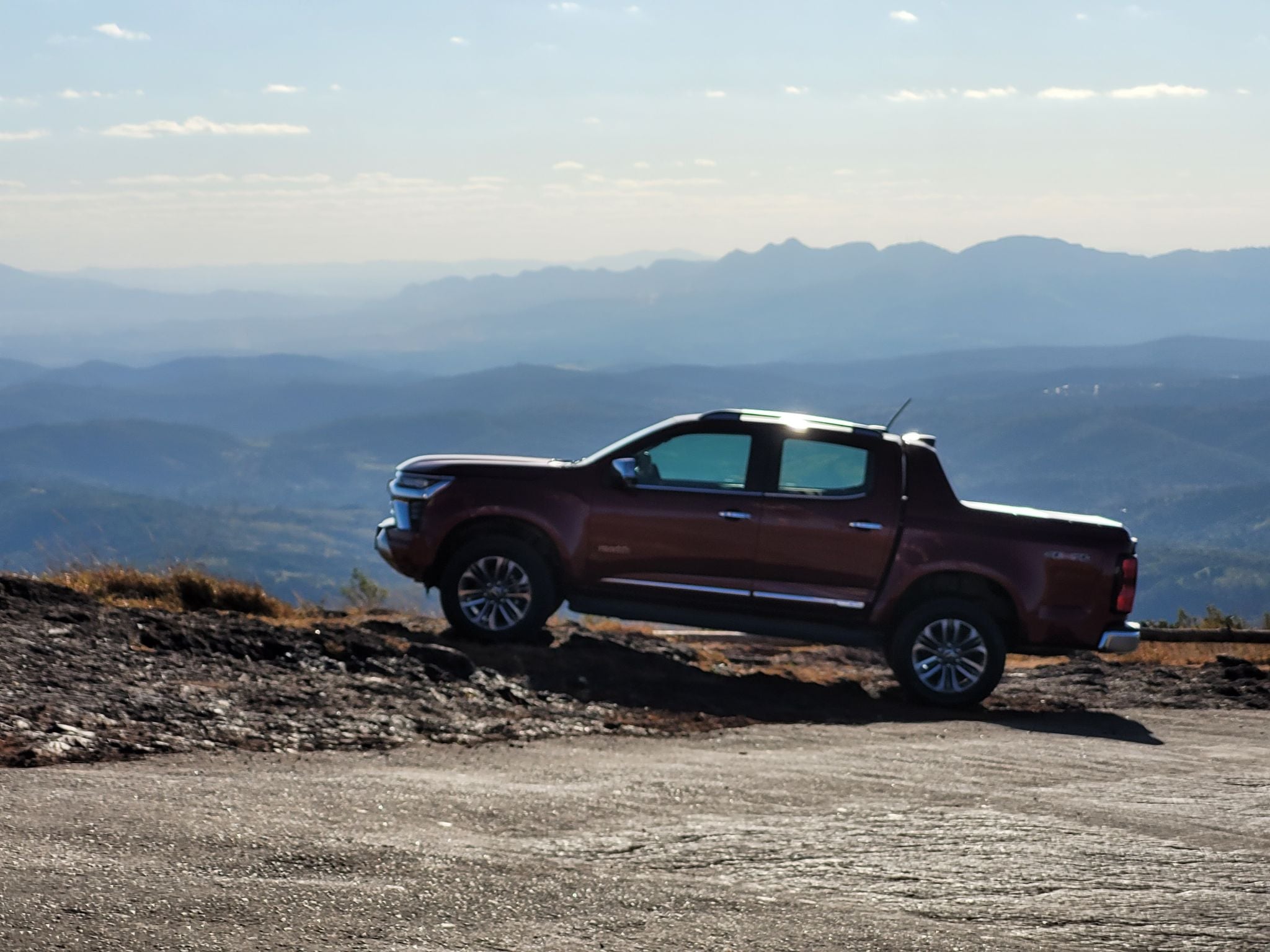
Perhaps you have already climbed mountains or traveled by car to higher places and realized that your vehicle was weaker, delivering less performance. Although many people believe that this is just an impression, the truth is that the loss of power is real and has everything to do with altitude.
Driving at high altitudes reduces the performance of the combustion engine due to the drop in atmospheric pressure and the lower density of oxygen in the air. In practical terms, vehicles lose an average of 1% of their maximum power for every 100 meters of elevation above sea level.
SEE ALSO:
- What is torque? Understand why power is not everything
- Car engine: do you know the difference between CV (Horsepower) and HP?
- At sea level, your car performs better than on a mountain
The impact of thin air on engine
powerInternal combustion requires a balanced ratio of fuel to oxygen. As altitude increases, the air becomes thin and the amount of oxygen per volume decreases. With less oxygen admitted to the cylinders, the burning of the fuel yields less energy, directly reducing the vehicle’s power.
Estimated power loss by altitude
| Location/Condition | Altitude | Loss of power | Behavior |
|---|---|---|---|
| Sea Level (Littoral) | 0 m | 0% (default) | Maximum nominal performance and torque |
| Brasília (DF) | ~1,000 m | ~10% | Mild loss, felt mainly in resumptions |
| Campos do Jordão (SP) | ~1,628 m | ~16% | Noticeable drop at higher rpm |
| Extreme Altitudes (Andes) | >4,000 m | Above 40% | Severe torque drop; requires maximum acceleration on slopes |
How technology mitigates power
lossThe effects of altitude variation depend on the architecture of the mechanical assembly:
- Carburetors vs. Electronic Injection: Carbureted engines suffered from deregulation when changing altitude (rich or lean mixture). With electronic injection, the central unit (ECU) reads the atmospheric pressure via sensors and automatically adjusts the fuel volume and ignition timing.
- Aspirated vs. Turbo Engines: Low-displacement aspirated vehicles feel the drop in performance a lot. Turbocharged or supercharged engines, on the other hand, compensate for some of the thin air by pressurizing the air intake before sending it to the cylinders. At extreme altitudes (above 4,000 m), however, even turbo engines show a noticeable loss of response.
Consumption and travel
recommendationsAlthough the electronic center avoids excessive fuel waste, consumption tends to rise slightly at altitude because the driver needs to step on the accelerator more to obtain the desired acceleration. No prior mechanical adaptation is required before travelling to high ground: the electronic system automatically adjusts the vehicle to the new air conditions.
SEE MORE ABOUT

0 Comments
Comments are the sole responsibility of their authors and do not represent the opinion of this site. Comments containing profanity or offensive language will not be published. If you identify anything that violates the terms of use, please report it.