Nissan Kait arrived as if it were an innovative product, but it is the old first-generation Kicks and this factor has positive and negative points
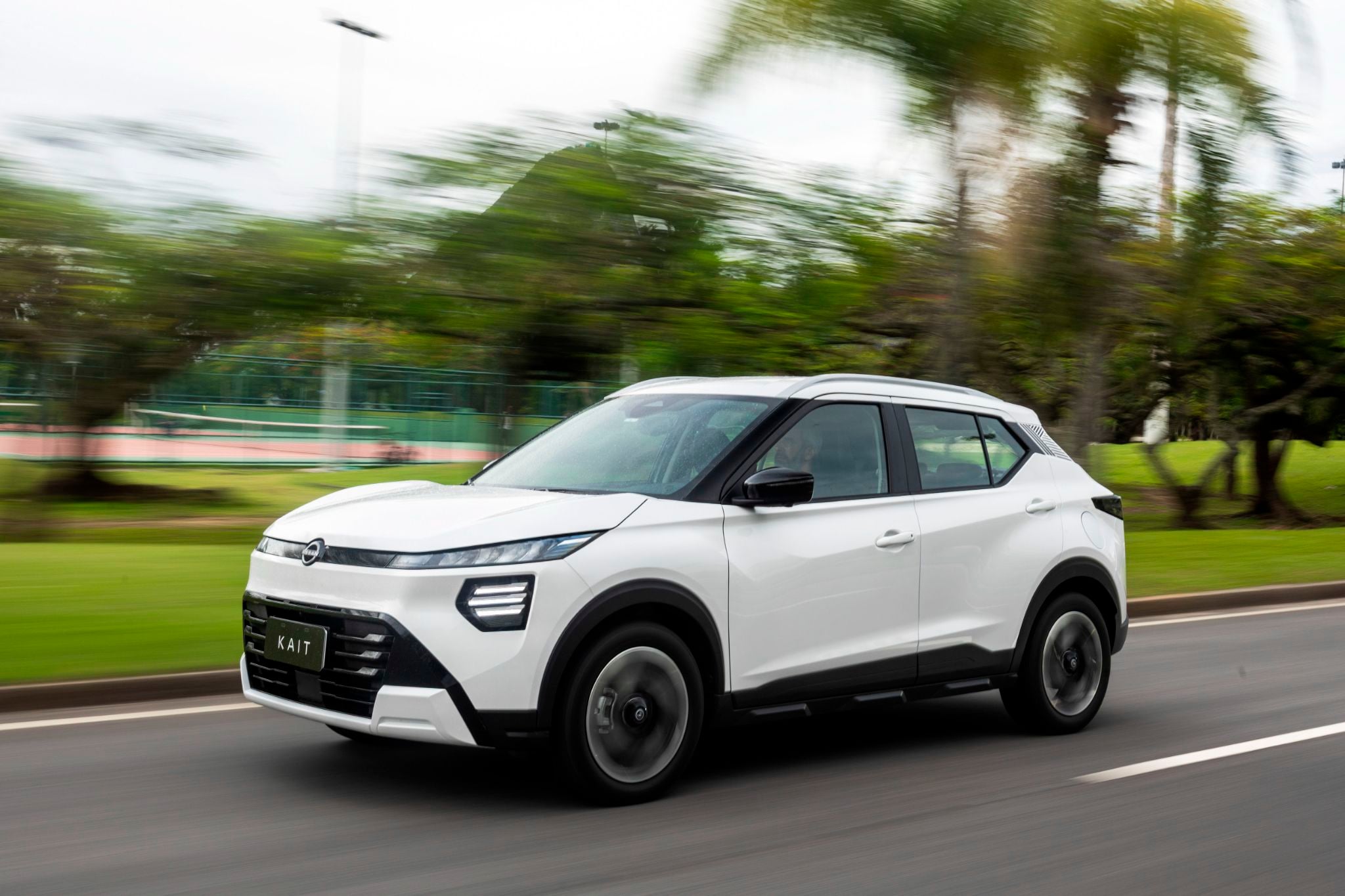
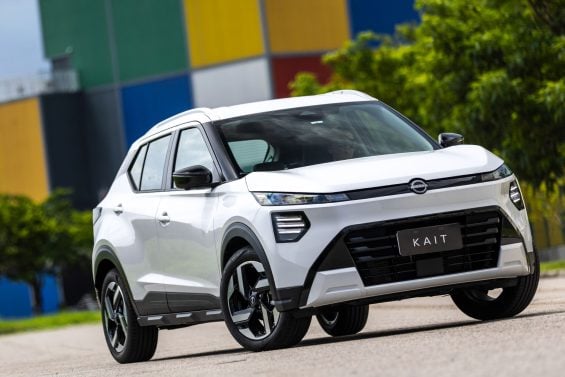
The Nissan Kait arrives in the Brazilian market as the brand’s new entry-level SUV, positioned below the new generation of the Nissan Kicks. Despite the novelty discourse, the model is, in practice, a reinterpretation of the Kicks launched in 2016, with specific changes in the design and updating of equipment to maintain competitiveness at the base of the SUV segment.
The strategy follows a common move in the automotive industry: to extend the life cycle of a product that has already been amortized. Nissan itself had already done this with the Kicks Play, which made room for the arrival of the new generation. Now, Kait takes on this role, with prices between R$ 118 thousand and R$ 153 thousand, targeting consumers looking for a more affordable compact SUV within the brand.
SEE ALSO:
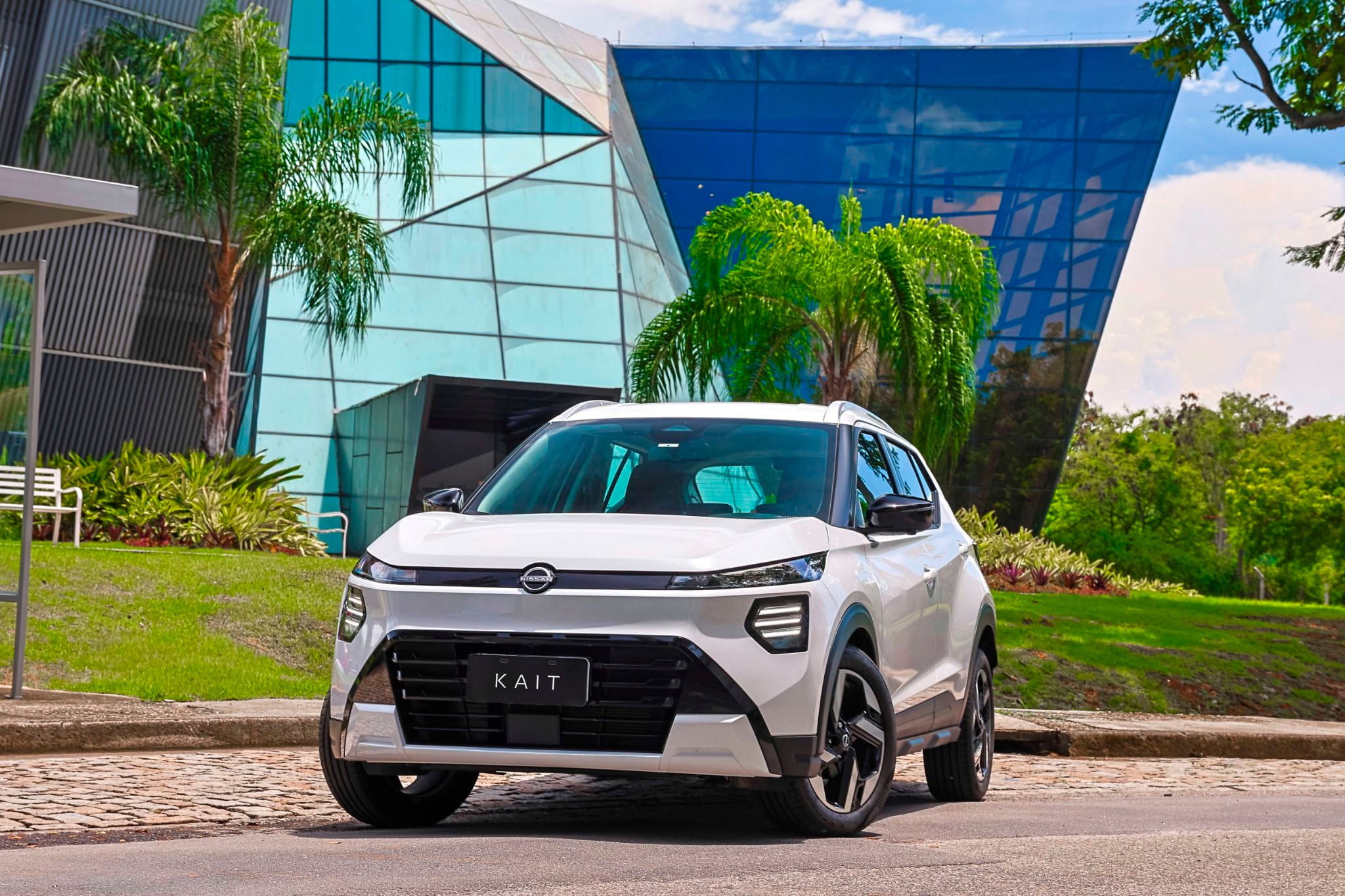
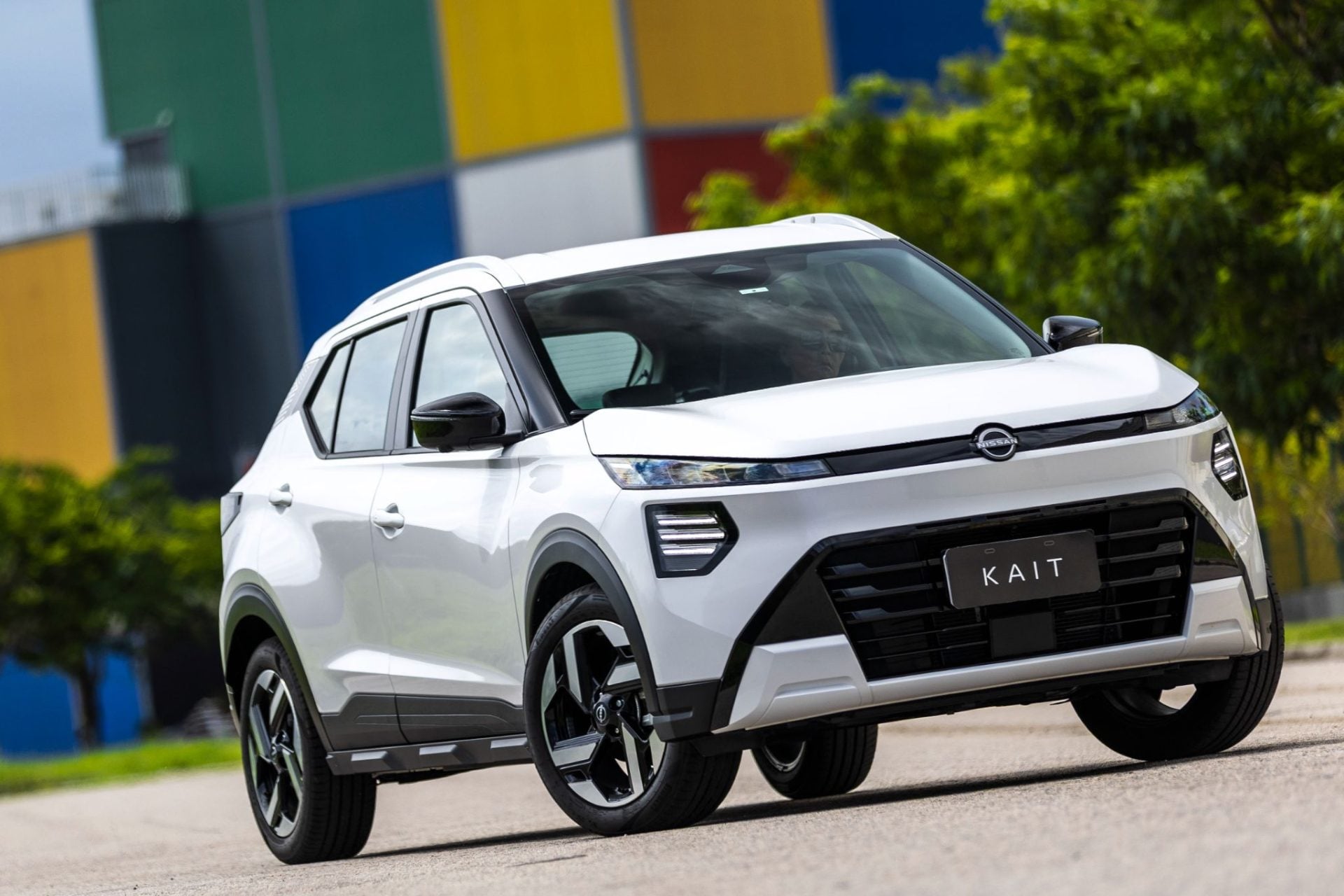
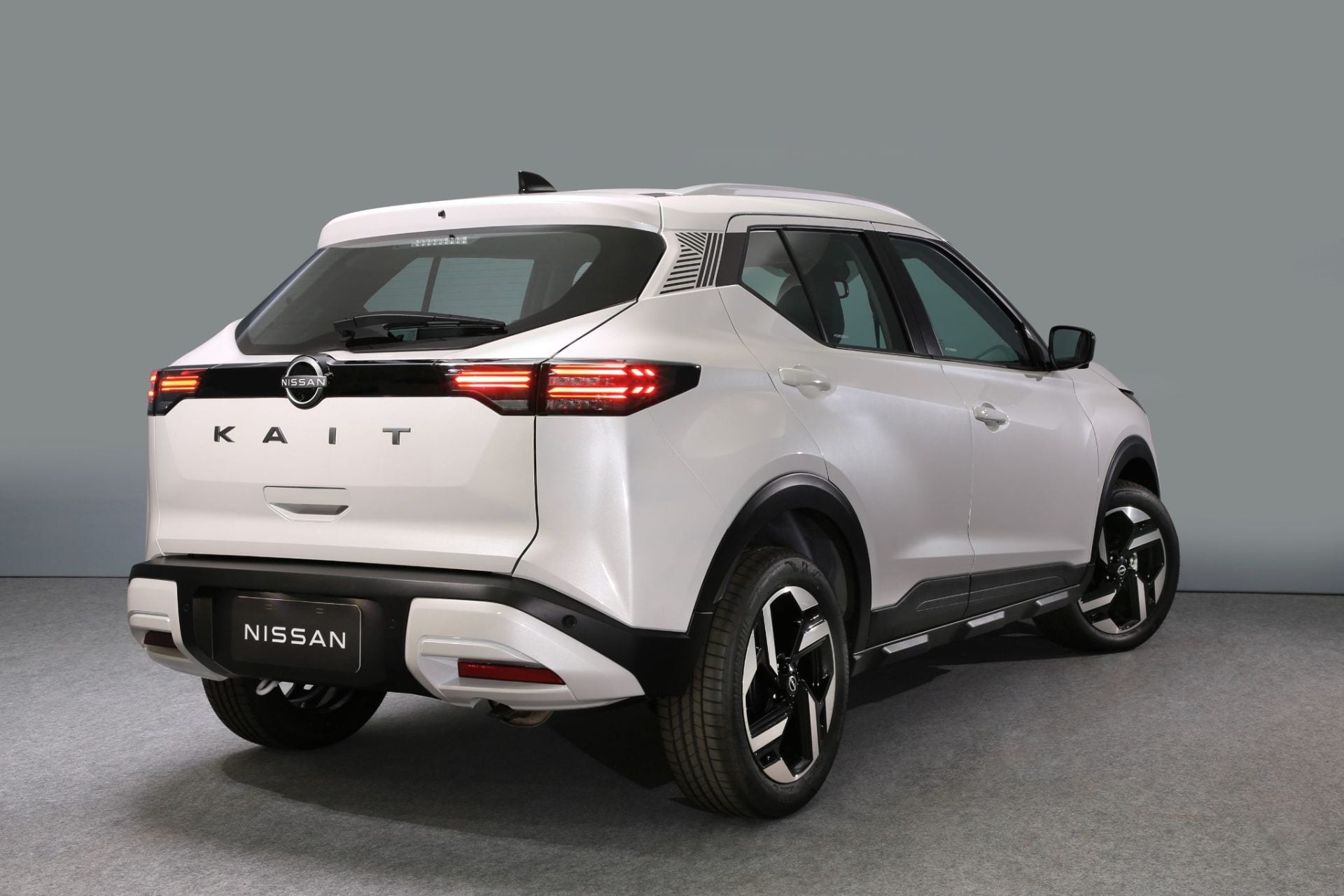
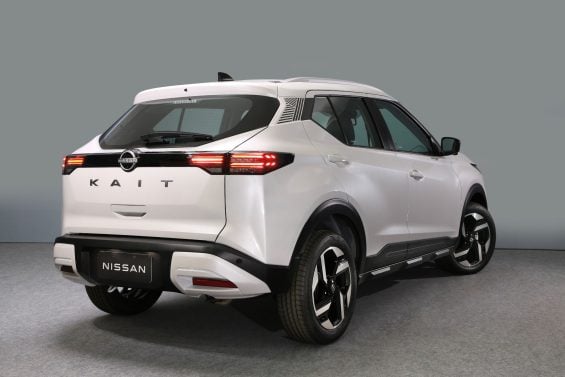
Visually, the Kait brings concentrated changes to the front and rear. Headlights, grille and taillights have been redesigned, while the body structure remains unchanged. The result is a car that appears to be new at first glance, but that preserves proportions and architecture already known in the Brazilian market.
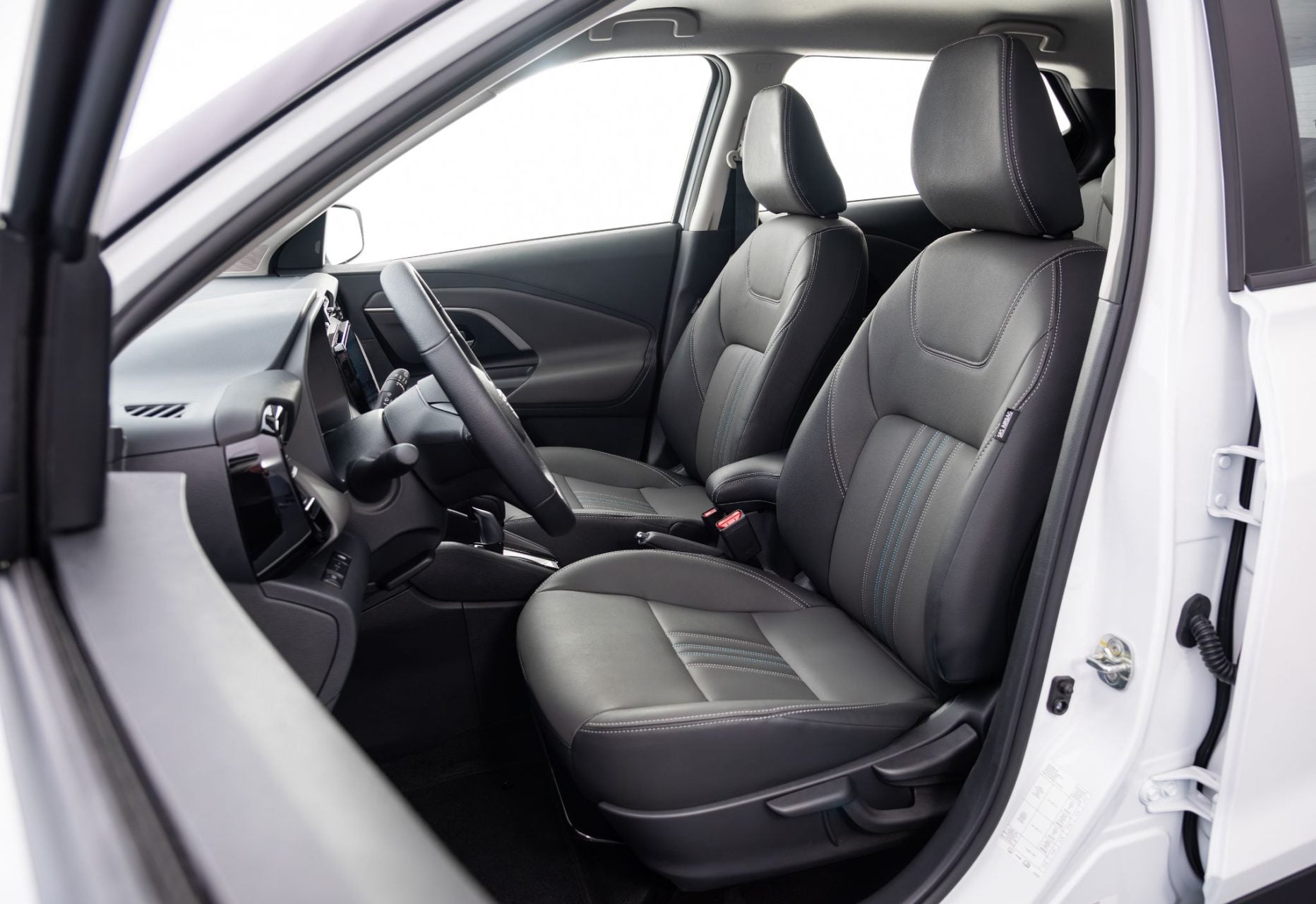
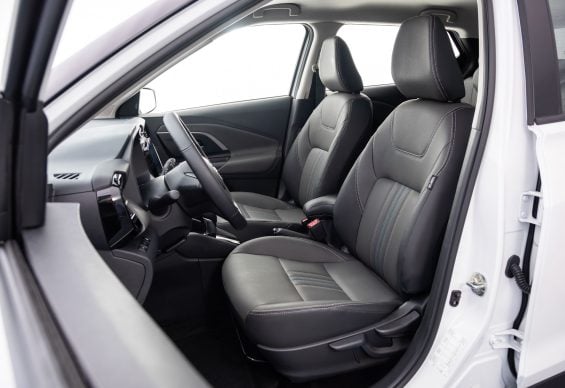
In the interior, the changes follow the same logic. The panel received a new finish and updated visual elements, but the structural base is the same. Center console, air conditioning controls, button position and general ergonomics were maintained. There is an attempt to add value with coatings and details in more expensive versions, but the layout betrays the origin of the project.
One of the positive points is in the security package. The Kait Exclusive offers six airbags and a comprehensive suite of driving assists, including collision warning, automatic emergency braking, adaptive cruise control, and lane keeping assist. It is a competitive level of content within the segment, especially in the most complete versions.
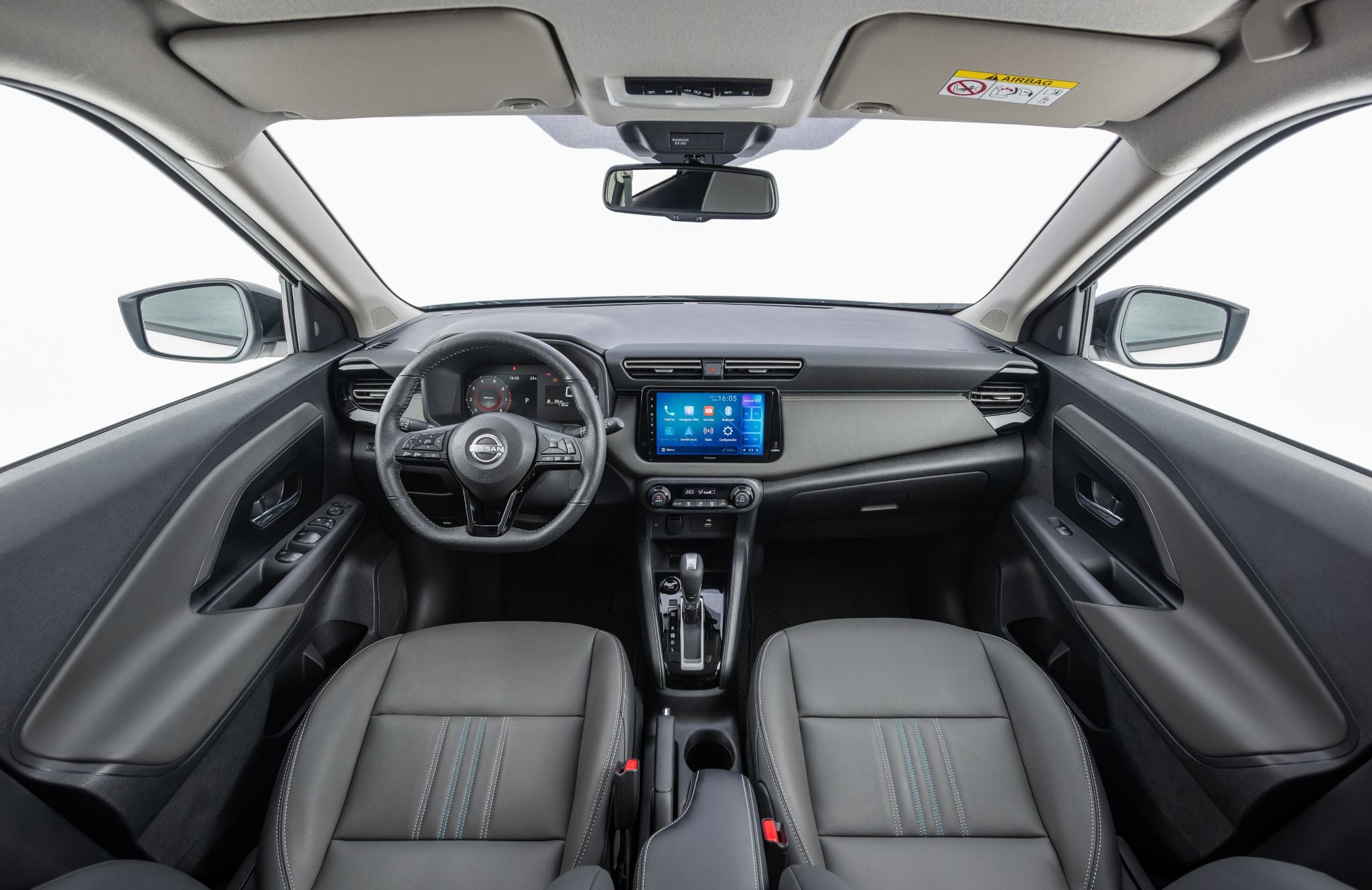
The digital instrument panel divided into two screens is one of the novelties. Although the solution is not the most sophisticated on the market, it delivers good readability and functionality, with clear reading even under intense light. Still, it lags behind more modern all-digital clusters adopted by competitors.
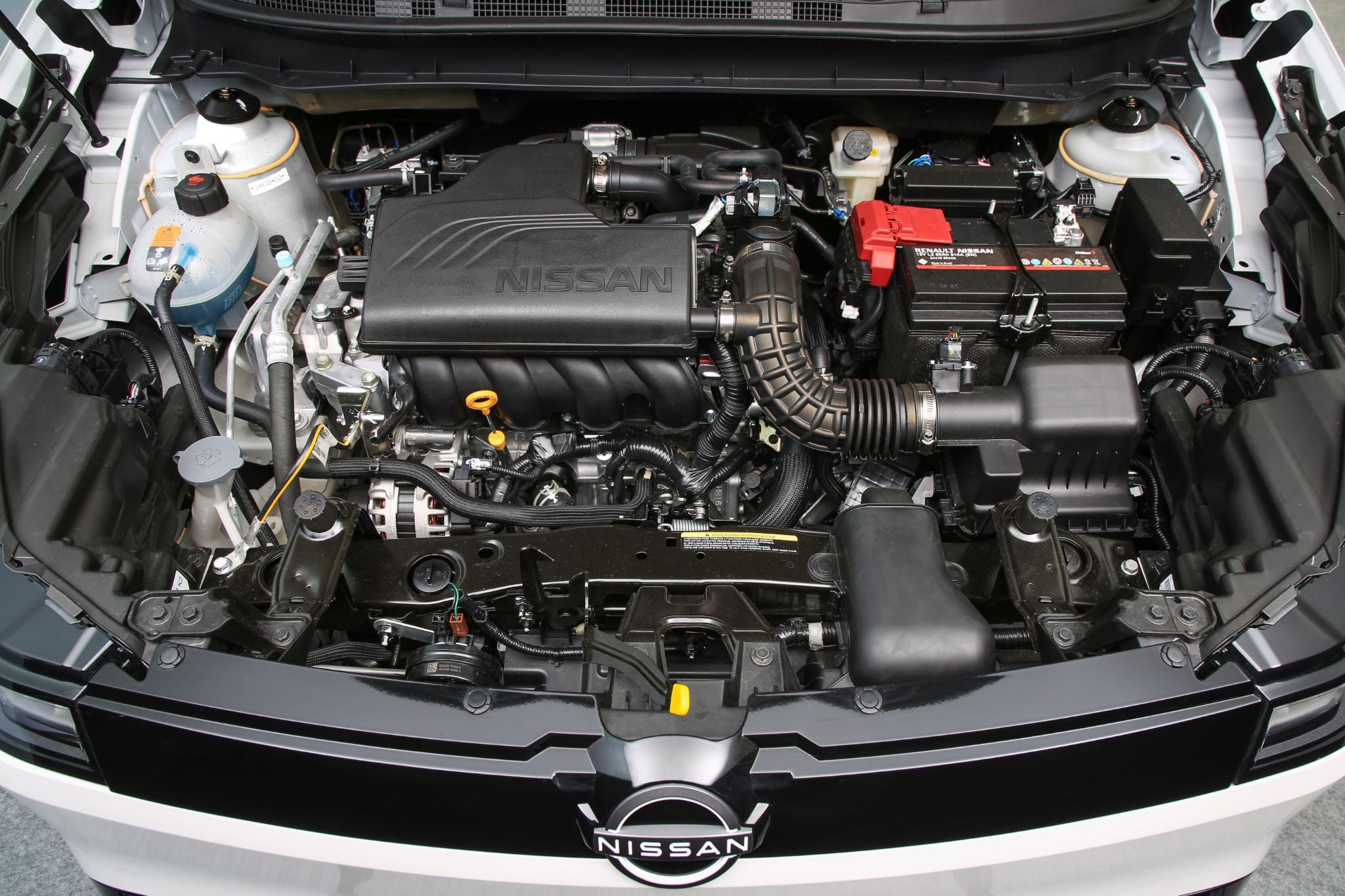
On the mechanical side, the Kait maintains the 1.6-liter aspirated engine with 113 hp and 14,9 kgfm, associated with a CVT transmission. The well-known set delivers comfortable driving in urban use, but is below rivals in performance and efficiency. The typical effect of the CVT transmission, with high revving during acceleration, compromises the feeling of agility and comfort on board.
This point becomes even more relevant in the face of competition. Models such as the Renault Kardian and Fiat Pulse already adopt turbo engines, offering more power and performance. Options such as the Honda WR-V and Toyota Yaris Cross stand out for more recent designs and despite using aspirated units, there are improvements such as direct fuel injection and even a hybrid version, in the case of the Toyota.
Another point that limits the Kait is the smaller capacity fuel tank (41 liters), inherited from the original Kicks, which directly impacts autonomy. In the city it is not a problem, but it is a relevant factor for consumers who use the vehicle on longer routes. In this case, it is recommended to fill up with gasoline, to extend autonomy, according to Inmetro’s Brazil Vehicle Labeling Program (PBEV).
| Fuel | Urban | Road |
|---|---|---|
| Ethanol | 7.8 km/l | 9.4 km/l |
| Gasoline | 11.3 km/l | 13.7 km/l |
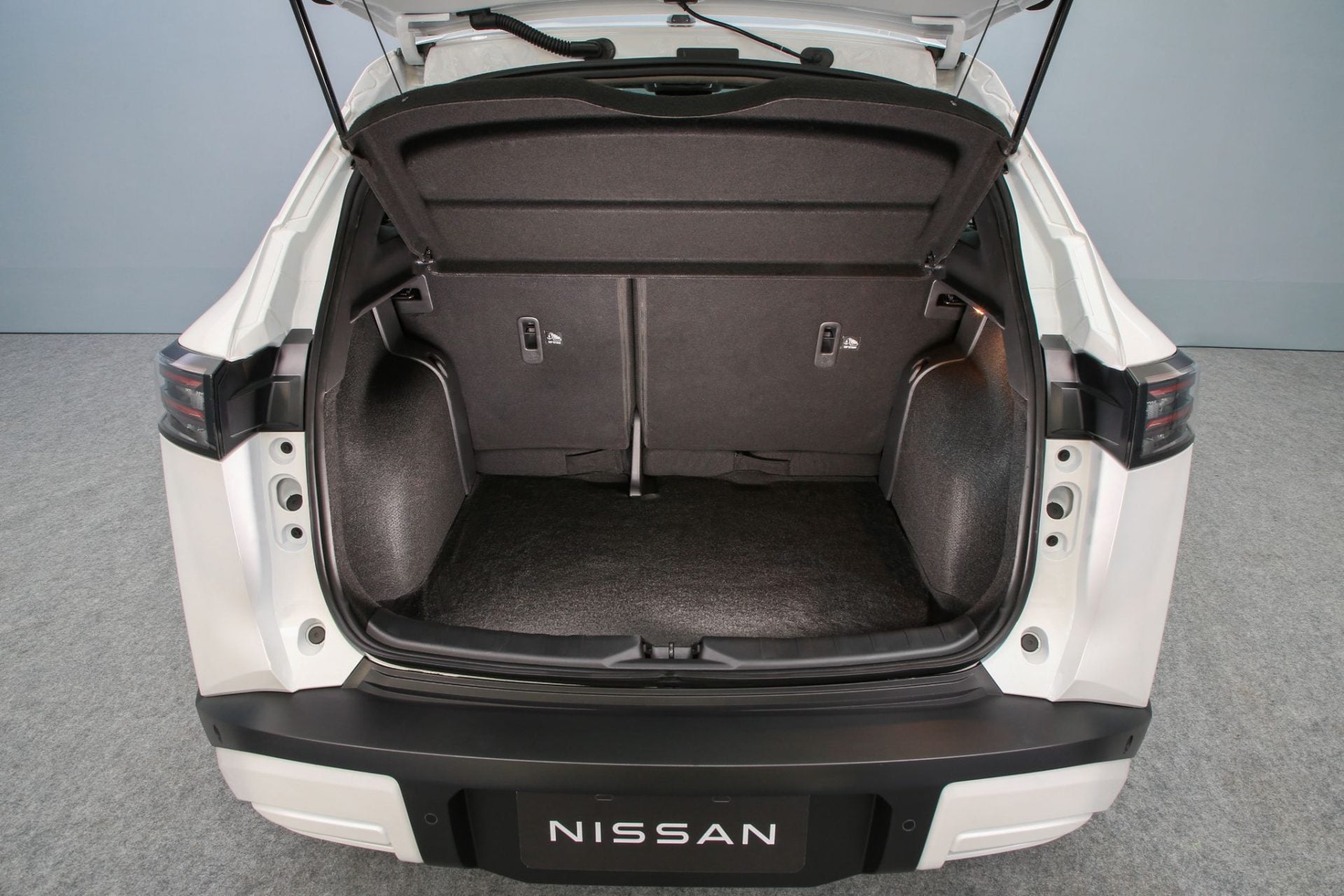
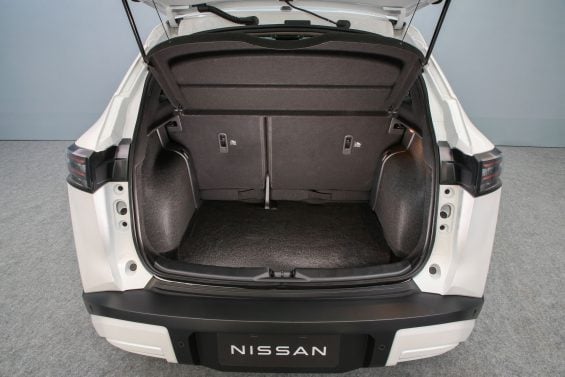
In terms of interior space and trunk (432 liters), the model repeats the dimensions of the Kicks, offering good use for the category. This is a factor that makes it a well-rounded family SUV.
Thus, Kait’s proposal is clear: to offer an SUV with a good package of safety, comfort and mechanical reliability already known, at a lower cost than the new generation of Kicks. However, the lack of evolution in engine and platform puts it at a disadvantage compared to more modern rivals.
But what really weighs is the way the brand treats the product, as a great novelty. It is the 2016 Kicks, with an airbrushed look, not an unprecedented product. But that can be good too, as the old Kicks was a great car. But a 10-year project.



