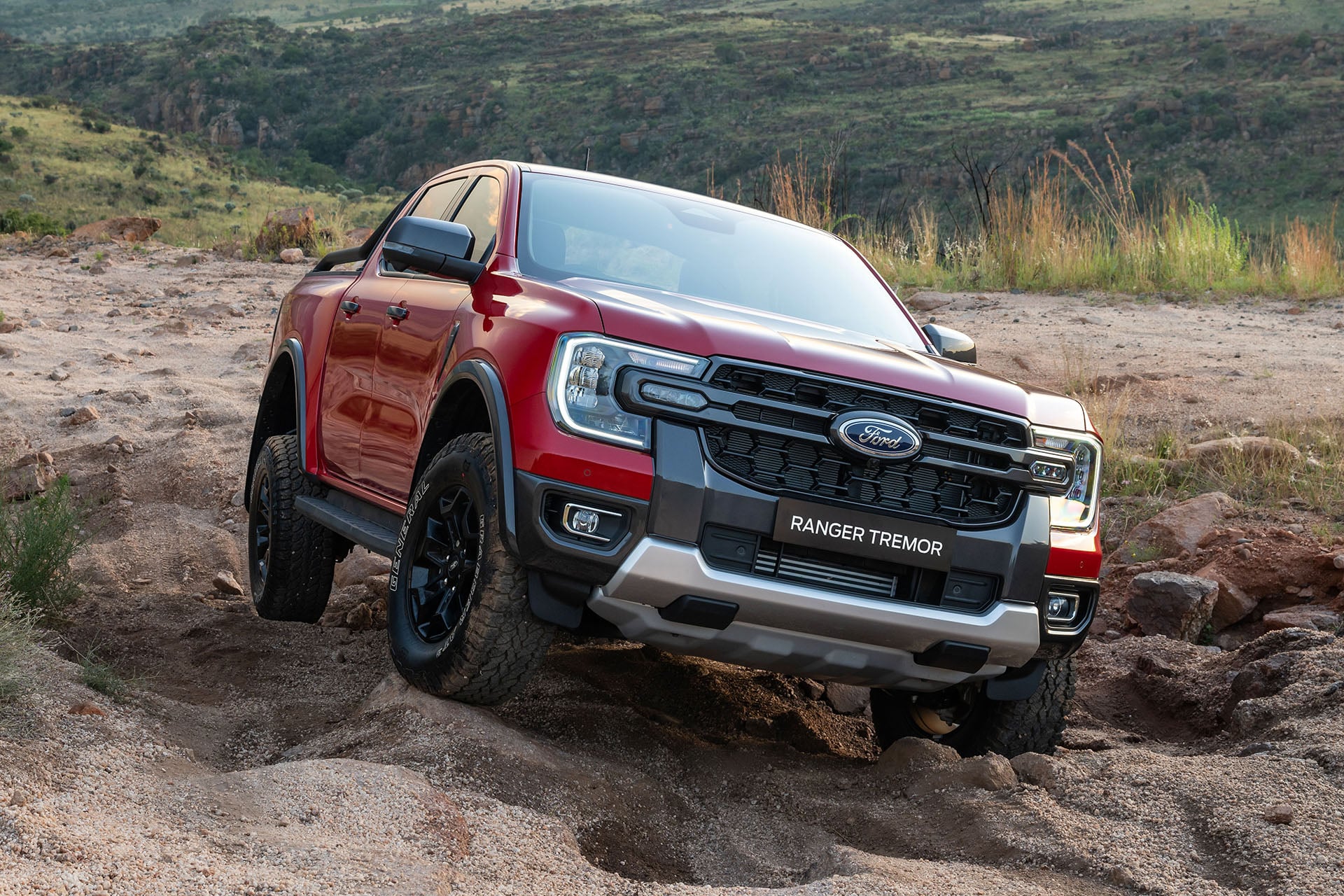
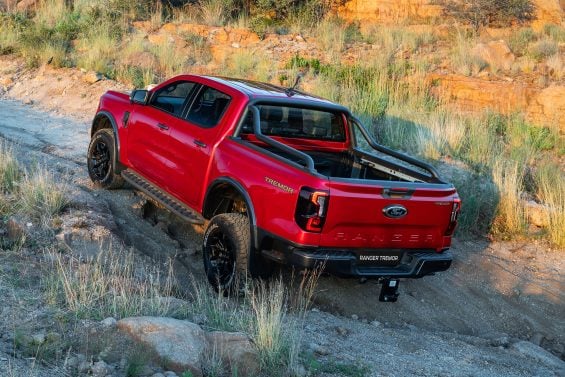
Ford has confirmed the expansion of its line of medium pickup trucks in Brazil with the launch of the Ranger Tremor. Part of an investment cycle that foresees 20 new products by the end of 2027, the version will be produced at the Pacheco industrial complex in Argentina from the end of 2026, with the aim of supplying the entire South American market.
The main novelty of the model is not only in the look, but under the hood. Tremor will debut the 2.3 GTDi EcoBoost engine, a powertrain developed by the brand’s Brazilian engineering specifically to meet local demands. The adoption of a turbocharged flex engine creates a strategic alternative in the portfolio, positioning itself as an intermediate option between the traditional diesel versions and the sporty Raptor, equipped with the gasoline V6.
The proposal of the Tremor version is to offer off-road capability superior to conventional configurations, while maintaining urban usability. To this end, the pickup will receive significant structural reinforcements, including a recalibrated suspension system with special shock absorbers, high ground clearance and wider track gauges.
The technical package is complemented by mixed-use tires (all-terrain), locking rear differential and steel underguards, as well as improved entry and exit angles. Aesthetically, the model adopts its own visual identity, with an exclusive front grille and darkened finishes that refer to robustness.
The launch aims to consolidate the Ranger’s good commercial momentum. In 2025, the pickup registered an all-time record of 34 thousand registrations in Brazil, reaching 23% share in the segment. The growth is supported by the modernization of the Argentine plant, which received an investment of US$ 870 million (R$ 5.2 billion) to increase the annual production capacity to 80 thousand units.
Comments are the sole responsibility of their authors and do not represent the opinion of this site. Comments containing profanity or offensive language will not be published. If you identify anything that violates the terms of use, please report it.