The Ministry of Finance identified evidence of financial pyramid and fraud in the advance sale of electric and hybrid vehicles of the Brazilian brand Lecar. The suspicions are based on the company’s business model, which receives advance payments (“signals”), but does not present concrete evidence of the start of manufacturing or the ability to deliver the vehicles. The irregularities were detailed in a technical note prepared by the Secretariat of Prizes and Bets (SPA).
“The complaint was instructed by a report on the InvestNews portal, which details the absence of a factory, the physical non-existence of the vehicles and the fundraising operation without the legally required guarantees. The person responsible is Flávio Figueiredo de Assis, with a history of participation in other companies with a similar profile, such as Lebank and Lecard”, says the technical note
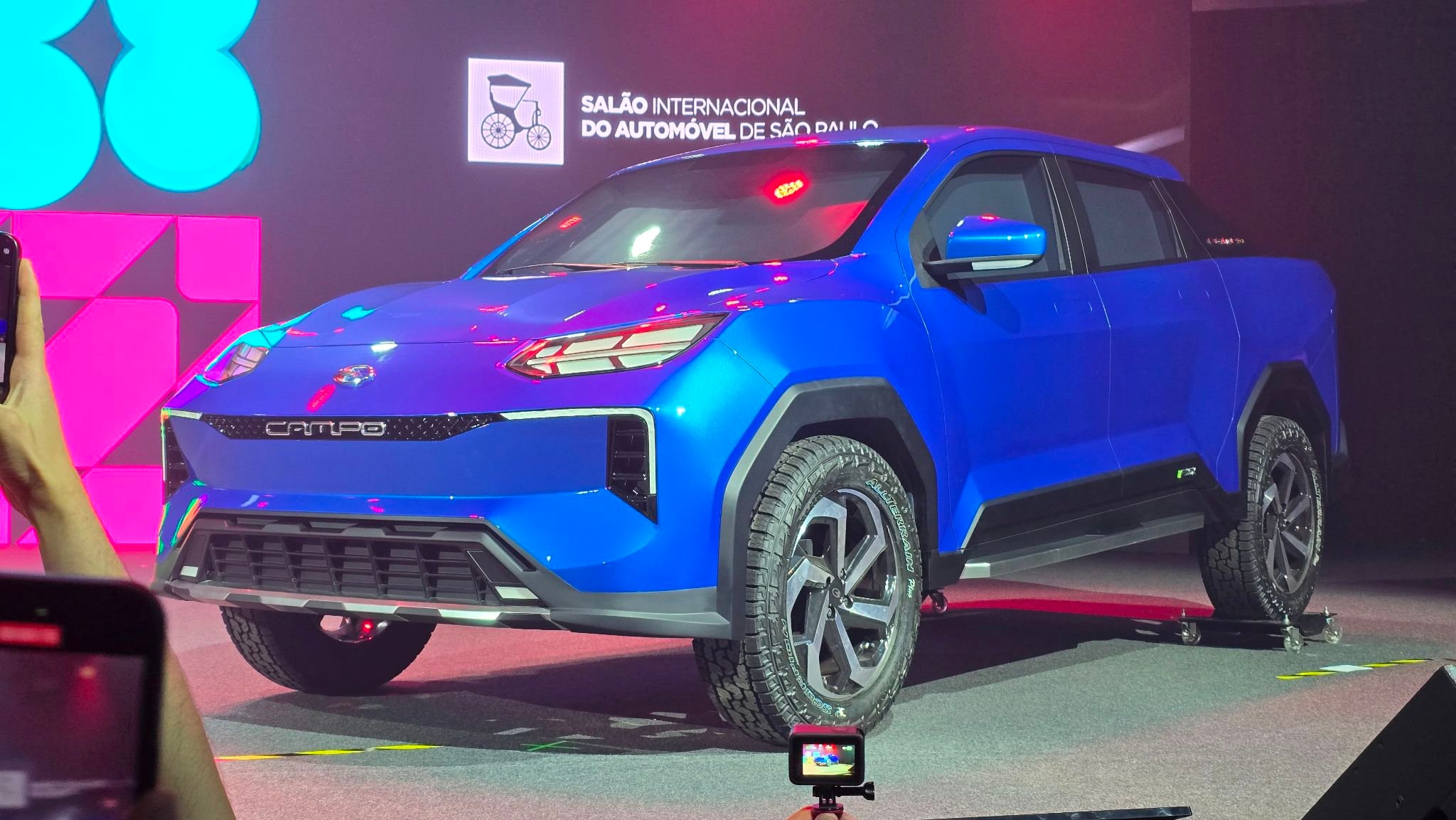
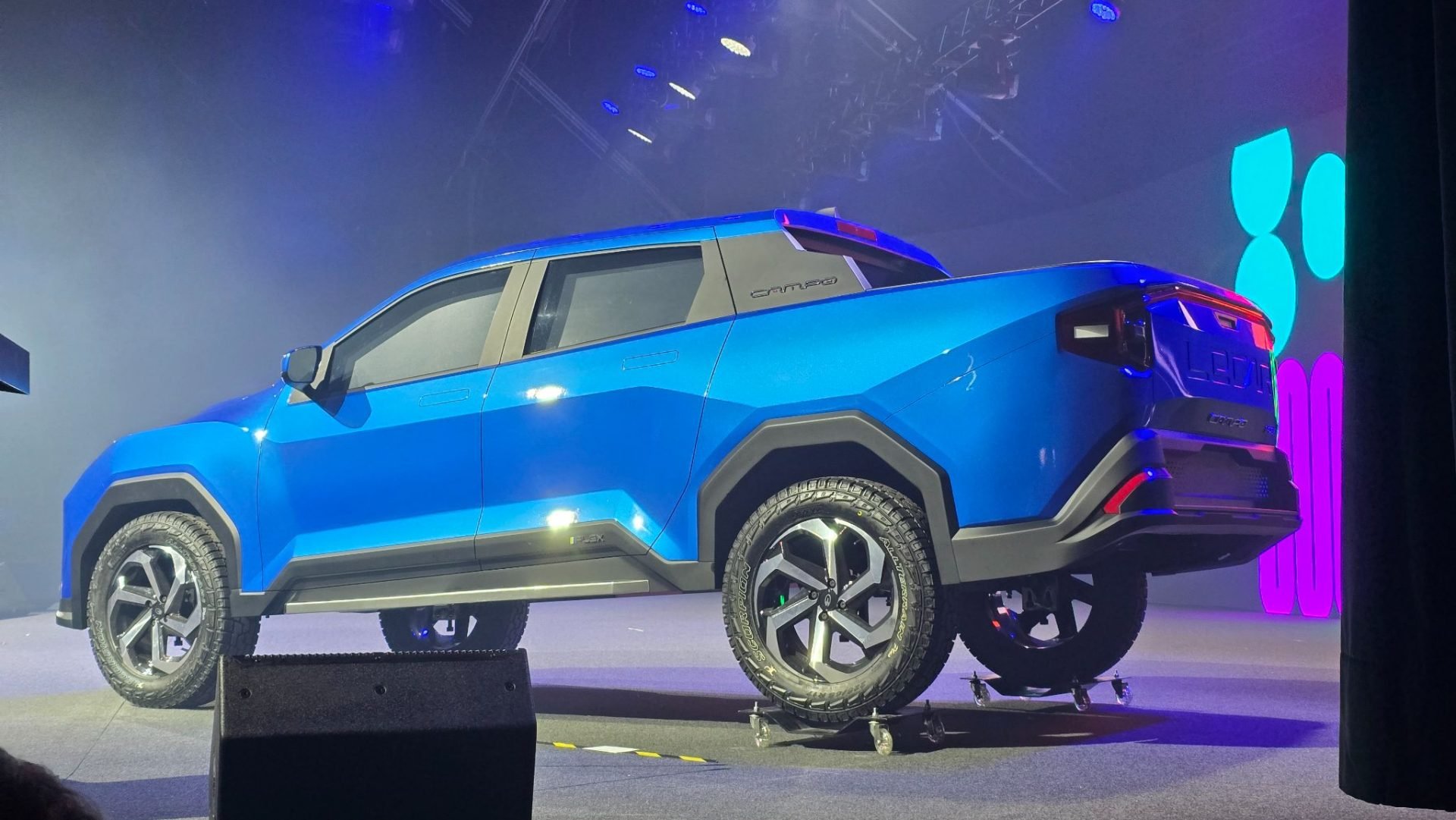
“Model” was presented at the Motor Show (Photo: AutoPapo | Marcelo Jabulas)Model arrived pushed to the stage (Photo: AutoPapo | Marcelo Jabulas)
History of promises and non-fulfillmentsCurrently, Lecar is one of the most talked about national brands, but not always for positive reasons. In the market since 2022, the company gained negative repercussions at the end of 2025 when, after successive postponements, it again failed to meet deadlines at the São Paulo Motor Show. At the time, the promise was to present a functional electrified vehicle, but the brand only exhibited a “mockup”.
Even without a factory built or vehicles produced, the company sells cars through the “Programmed Purchase” modality. In this system, the customer adheres to a payment plan (48, 60 or 72 months, interest-free) with the promise of receiving the car in the middle of the period.
According to an investigation by the Metrópoles portal, the technical note from the Ministry of Finance points out that Lecar does not have authorization from the ministry to operate this financial modality.
Evidence of irregularity
The official document is emphatic: “Lecar’s business has characteristics typical of financial pyramid schemes.” The report highlights that the promise of gains without real investment is a classic warning sign monitored by the CVM (Securities and Exchange Commission) and consumer protection agencies.
The Ministry’s analysis lists four suspicious pillars:
Membership fee: payment requirement for the participant to act as a reseller;
Sale of promises: marketing of future delivery without the existence of a validated product;
Psychological triggers: use of urgency and scarcity tactics to pressure immediate adherence;
Dependence on new members: express statement that cash flow depends on the entry of new consumers.
SPA’s statement responds to a request from the Federal Public Ministry (MPF), which opened an investigation to investigate the facts. The document points out the practice of two main offenses: the pyramid-like structure and misleading advertising, violating several articles of the Consumer Protection Code.
The company’s positioning
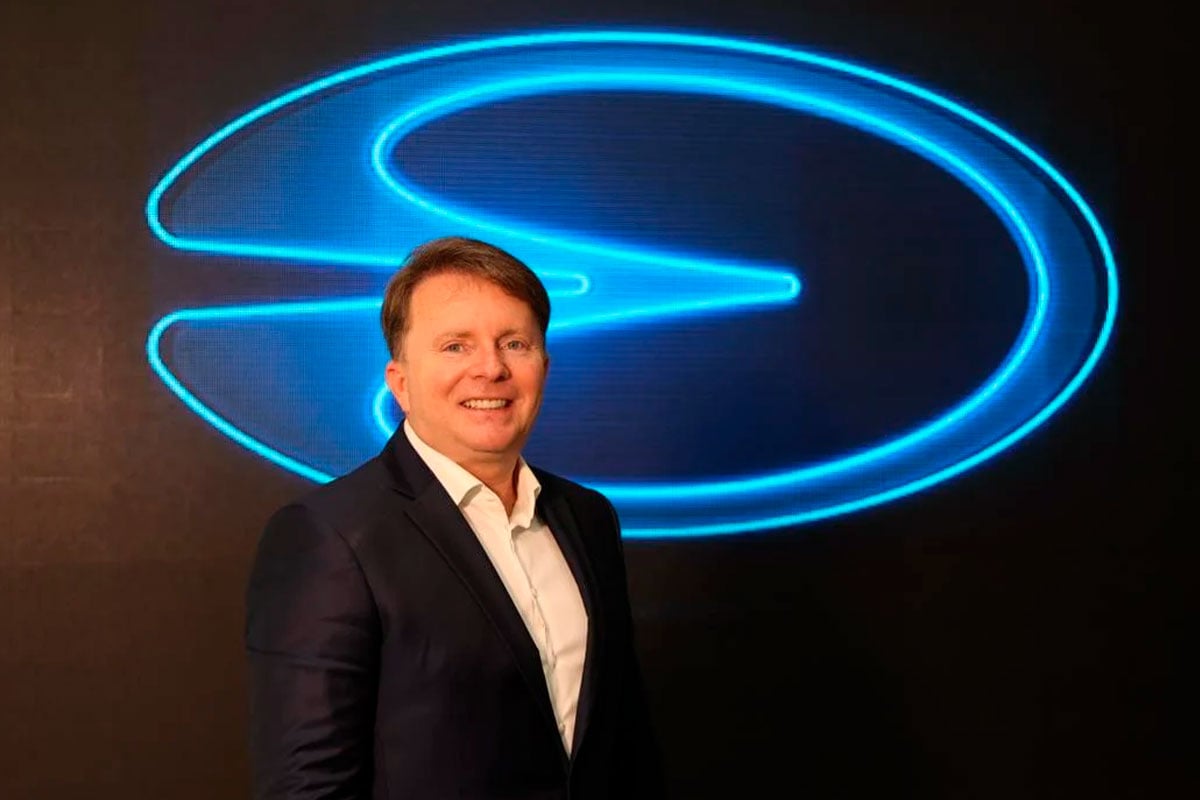
Flávio Figueiredo Assis, the “Brazilian Elon Musk”, says only delay (Photo: Internet | Reproduction)
To the Metrópoles portal, businessman Flávio Figueiredo Assis — who once called himself the “Brazilian Elon Musk” — denied the accusations. In a statement, it said that the communication of the business is transparent and that there are no scarcity tactics.
“We don’t have the homologated car, we don’t have a factory; Everything is in development. We are not selling something different from what we communicate,” said Assis. He defended the business model by stating that the plan provides for a contribution of 50% for the delivery of the good and that “it is obvious that the more customers enter, the greater the volume of contributions”.
The businessman, however, refused to inform the number of vehicles already sold or the company’s executive board. About the factory in Sooretama (ES), he admitted further delays, but said that the process is “progressing well”.
A trail of contradictionsLecar’s promises have accumulated drastic changes since 2024. The Lecar 459 model, initially announced as 100% electric with manufacture in Rio Grande do Sul, changed its strategy several times: the headquarters were transferred to Espírito Santo, the hypothesis of importing from China arose and the engine started to be announced as a hybrid.
In 2025, the company expanded the ads to the Campo pickup and a third vehicle, although it never presented a prototype capable of running. In 2026, the company started to attract dealers through social networks, requiring initial investments for points of sale that do not even have demonstration cars or for test drives.
Despite the ambitious projections of producing 120 thousand vehicles per year, the current reality shows that the Sooretama unit has not even started earthmoving. Given the scenario, the first deliveries were rescheduled — now expected for mid-2027.
Comments are the sole responsibility of their authors and do not represent the opinion of this site. Comments containing profanity or offensive language will not be published. If you identify anything that violates the terms of use, please report it.