Depending on the value, type of vehicle and even the state of registration, the desired car can be exchanged for a more affordable one
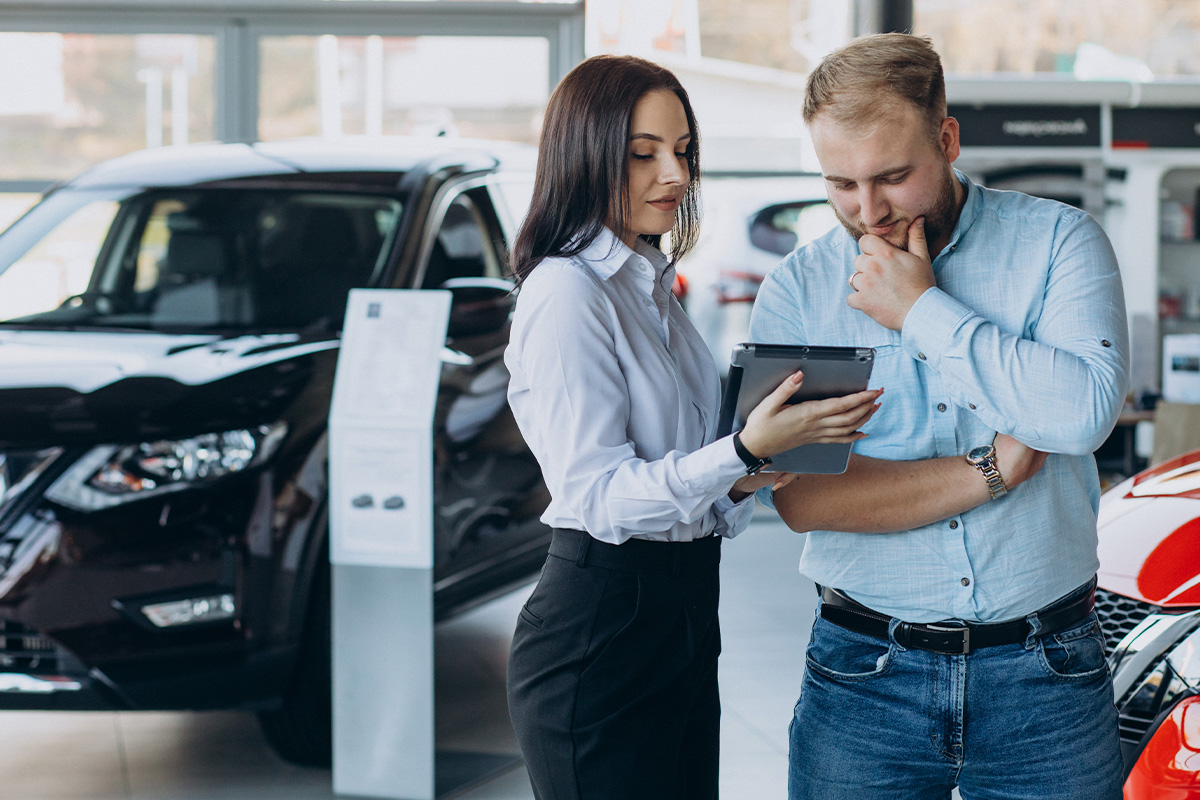
Anyone who believes that the IPVA is only a problem for those who already own a vehicle is wrong. Experts in the automotive market say that even before the purchase, future owners are concerned about the state tax, and those who do not understand the charge may be surprised with a salty bill depending on the type of vehicle and the time of year.
SEE ALSO:
Rafael Martinelli, CEO of Holmes, a process management and automation platform currently focused on serving car dealerships, points out that the IPVA directly impacts the citizen’s decision to buy a car.
“We identified that the tax impacts mainly at the beginning of the year, because now it is not just IPVA: there is IPTU, enrollment, school supplies. So, really, we notice that there is a drop in sales in January, even because of the holidays and because of the IPVA, along with all these other taxes. And sometimes these decisions are a little postponed to February, March. Or, sometimes, the customer chooses a cheaper car or a used car. The IPVA is part of the total cost of the vehicle”, he says.
The Motor Vehicle Property Tax (IPVA) is a mandatory annual tax for owners of motor vehicles, such as cars, motorcycles, and trucks, in Brazil. It is a state tax that aims to raise funds for states and municipalities, financing essential public services such as infrastructure (roads and streets), education, health and safety.
Everyone who circulates in cars that are mandatorily registered and licensed in the State Traffic Departments (Detran) must pay the tax.
Each state of the Union determines the amount to be charged in the IPVA, and all charge a percentage of the total price of the vehicles. For passenger cars, for example, the most common is that the tax costs between 2% and 4% of the price of the model, depending on the region. For this reason, the cheaper the car, the lower the tax.

The other expenses when maintaining a car are also concerns of the citizen. In accordance with the statement that the value of the IPVA impacts the purchase decision, the director of Strada Jeep, Strada Ram and Leapmotor Strada of the Carbel Group, Miguel Albino, points to the other costs embedded in the model.
“It’s not just the price of the car that weighs in the decision, but the total cost of ownership, which includes taxes, insurance, maintenance and fuel consumption. Vehicles with a higher market value tend to generate a higher IPVA, which can lead the customer to opt for more affordable models, different versions or even postpone the purchase”, he highlights.
States exempt some types of vehicles from paying the tax. Currently, by federal obligation, all vehicles over 20 years old are exempt from paying IPVA. However, some states exempt models that are more than 10 or 15 years old. Motorcycles have also entered this quota, being exempt if they have small engines — usually smaller than 200 cm³.
For cars, the most widespread way to escape the IPVA is to buy an electric one. Some states highlight certain models in the category as a way of encouraging the adhesion of these vehicles that, theoretically, are environmentally friendly.
Everything varies according to the location. In Bahia, for example, electric cars that cost up to R$ 300 thousand do not pay the tax. In Minas Gerais, the law is much more specific, and new hybrid, electric, natural gas or ethanol vehicles are exempt, as long as they are manufactured in the state.
Martinelli advises that another way to pay a lower value is by negotiating the price of the car with dealerships.
In the case of used cars, the shopkeeper pays the taxes on the model and still has the expenses of occupying it on site. Bargaining for a discount on the total value of the car, to exempt the buyer’s pocket and also the dealer’s (since, with the sale of the car, he will no longer have to maintain it), is a good thing for both.
The best periods for this negotiation usually come at the beginning of the year, when the tax starts to be charged and stores have high expenses with it.
For new cars, the strategy is reversed. The IPVA of a brand new car is proportional to the month of purchase, registration and licensing. That is, when buying a brand new car in December, the buyer will pay only 1/12th of the fee. But it is worth remembering that the following month, the tax will come with a full amount.
Marcelo Rohlfs, head of the Automotive Division of the Bamaq Group, warns with a fundamental tip: beware of dishonest sellers who promise that “knack” when registering the vehicle.
“And the tip I give to consumers is to be aware of the risks involved in buying from other states, without actually being residents of them. Dealers in these states that have such benefits usually offer ‘facilities’ to license the car with a reduction or exemption from the IPVA when they are not officially residents,” he points out.
To license a car at the local DMV, one of the requirements is to reside in the state. Otherwise, the citizen can legally respond for administrative and tax fraud.



