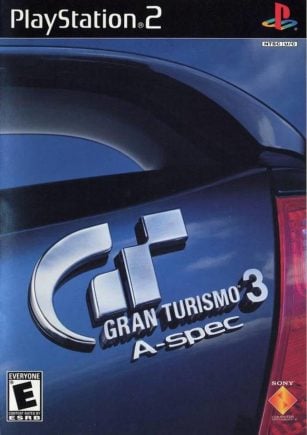
The game Gran Turismo 3 completed 25 years of release on April 28th. The third edition of the Japanese simulator was the first made for the PlayStation 2 and marked several advances in the franchise.
There were 14.8 million units sold, marking it as the best-selling PS2 exclusive game, the best-selling Gran Turismo and the second best-selling game for the PS2 overall, behind only Grand Theft Auto: San Andreas. Yes, it was more successful than the idolized fourth edition.
Despite the grandiose sales numbers, Gran Turismo 3 was a leaner game than the previous one. Polyphony Digital had a tight deadline, the game was released less than two years after GT2.
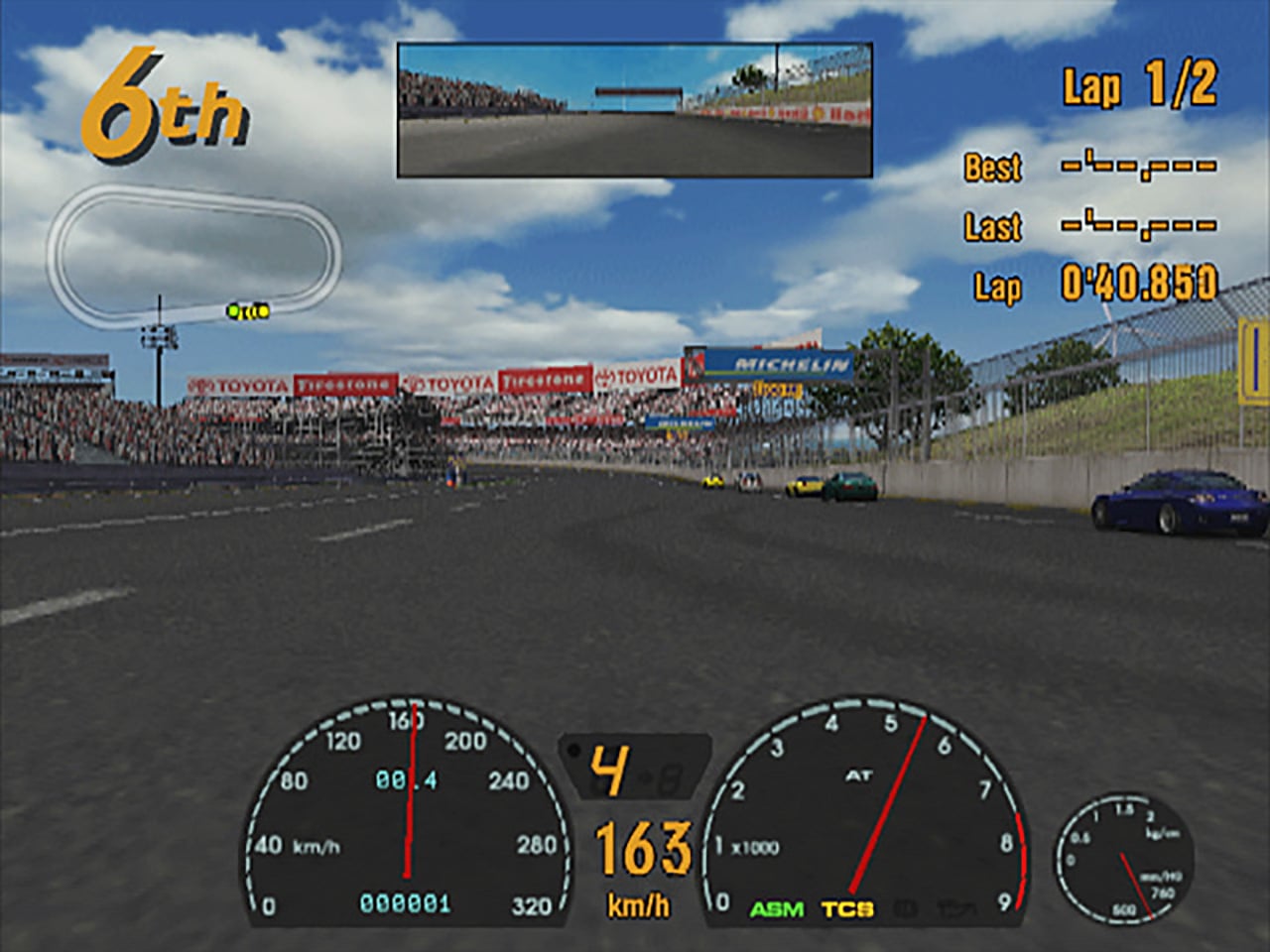
Therefore, the focus was on showing off the graphical power of the PS2 and other new functions of the console. Gran Turismo 3 was the first to have support for steering wheels with force feedback, for example.
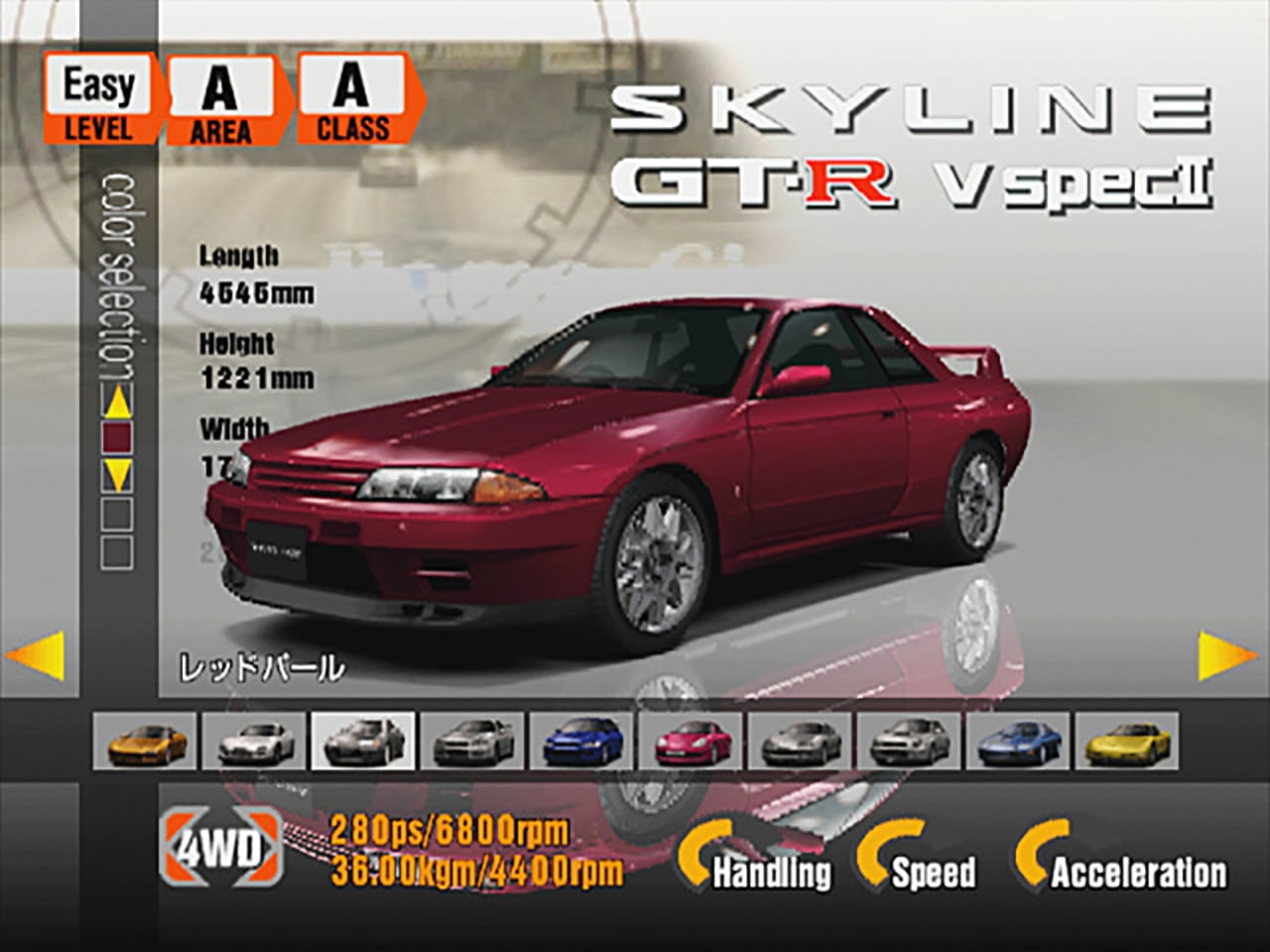
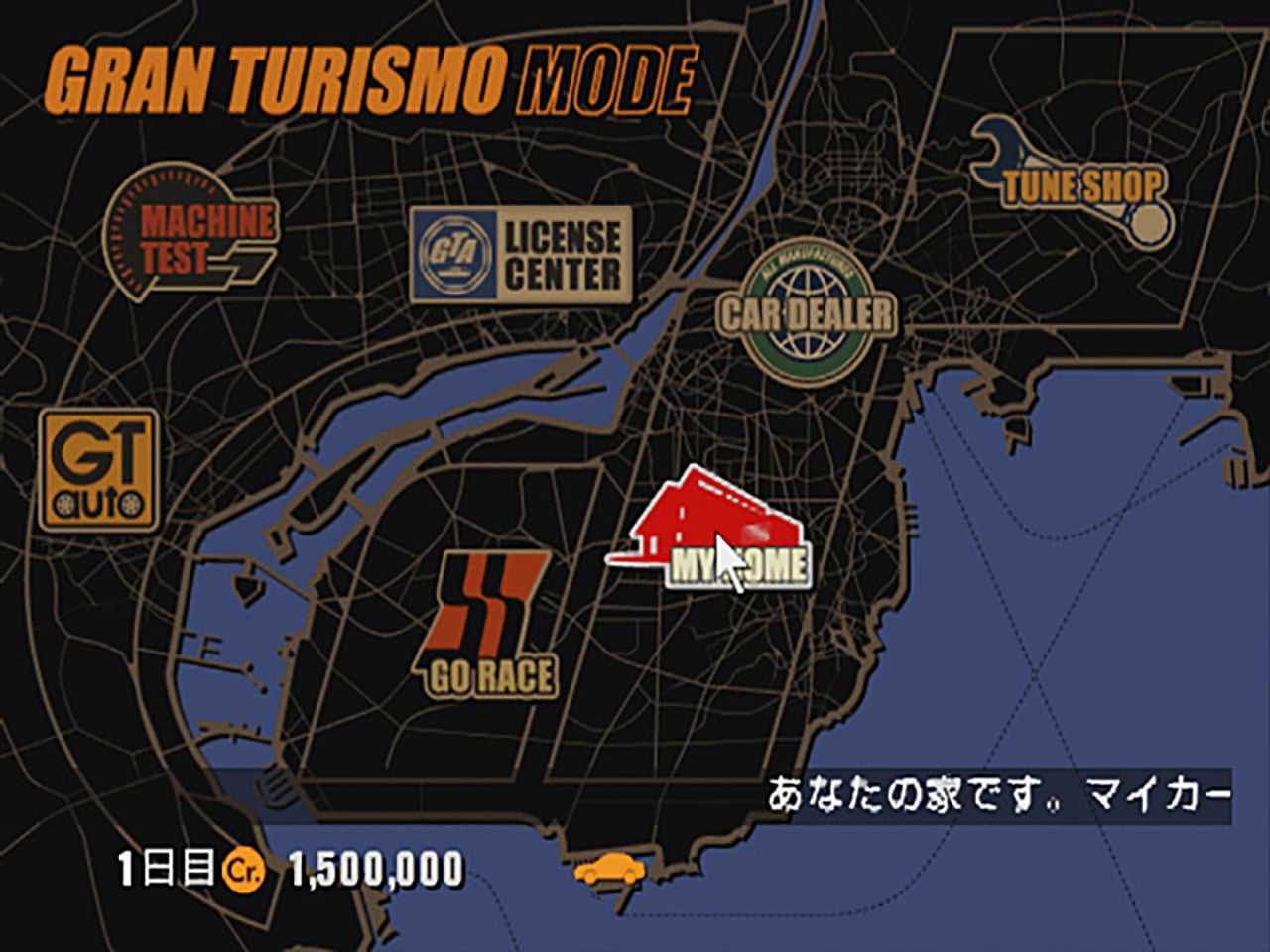
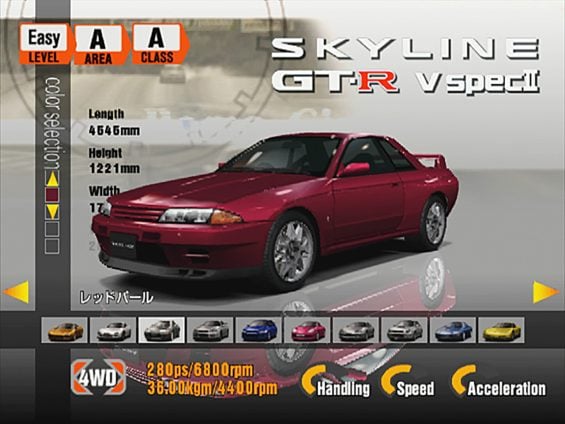
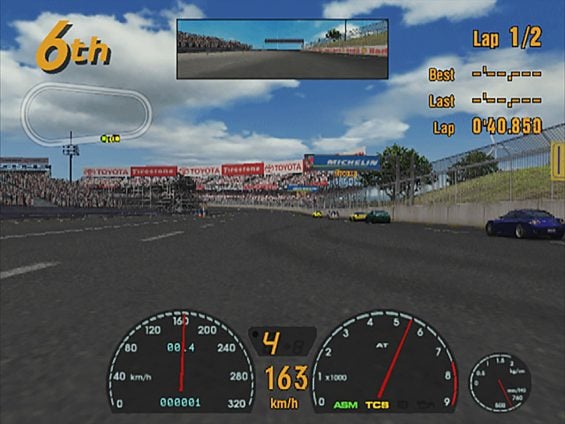
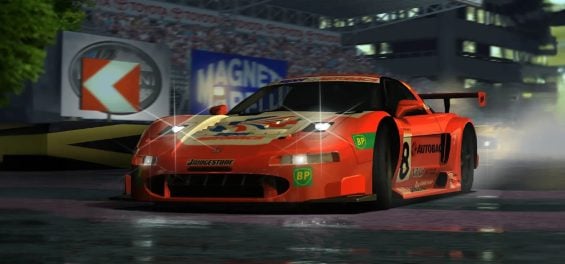
The number of cars was smaller, but they were detailed and with more accurate physicsThe menus kept the sounds of the previous game, a testament to the tight deadline they had for the release Despite having fewer cars, the career was better structured and took advantage of all of themLess skilled players could use assistants
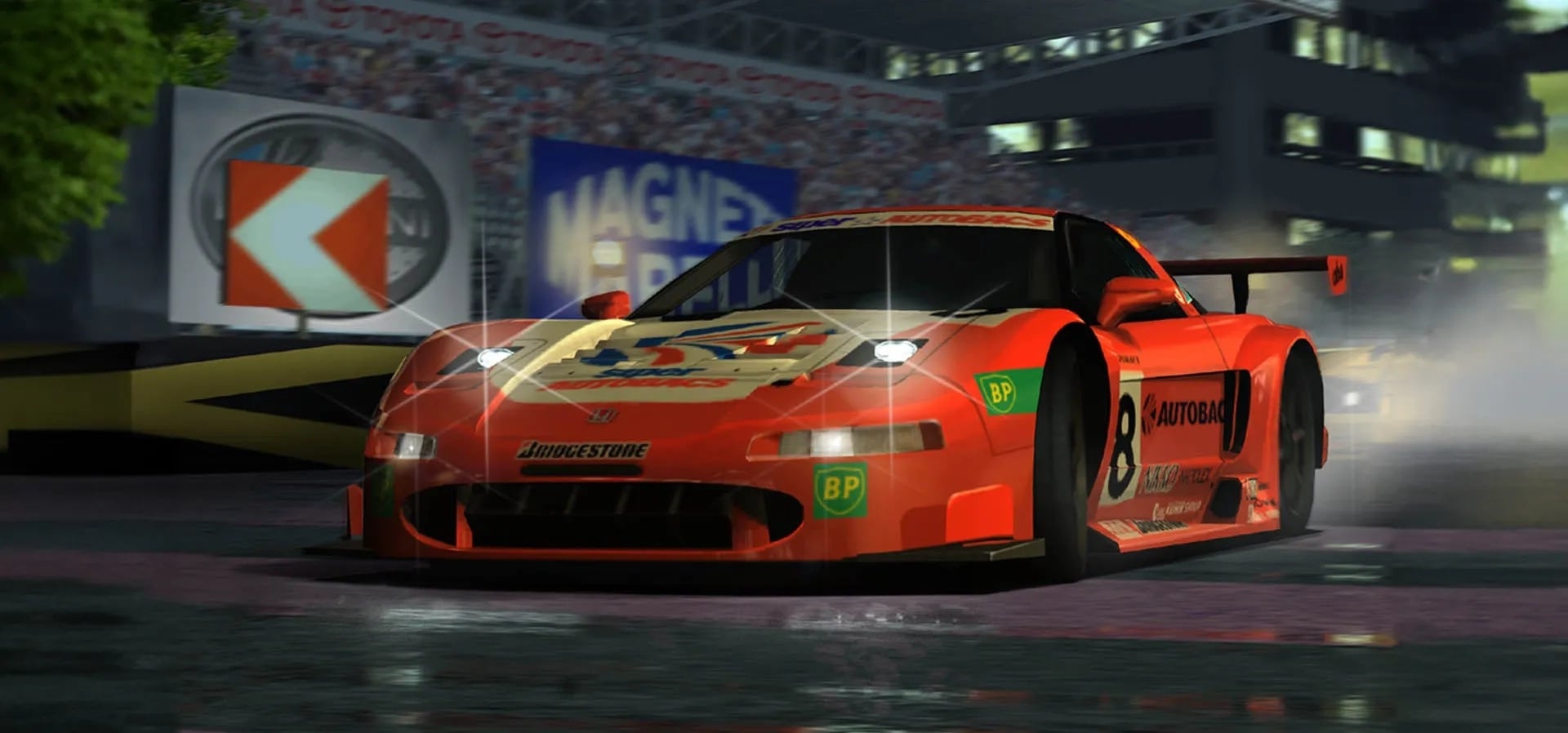
Starting with the graphics, the new hardware allowed to create cars with more polygons and with proportions closer to the real ones. There was also a more realistic modeling that was used only in the menus, during the races some parts, such as the wheels, were simpler to be able to maintain the 60 frames per second.
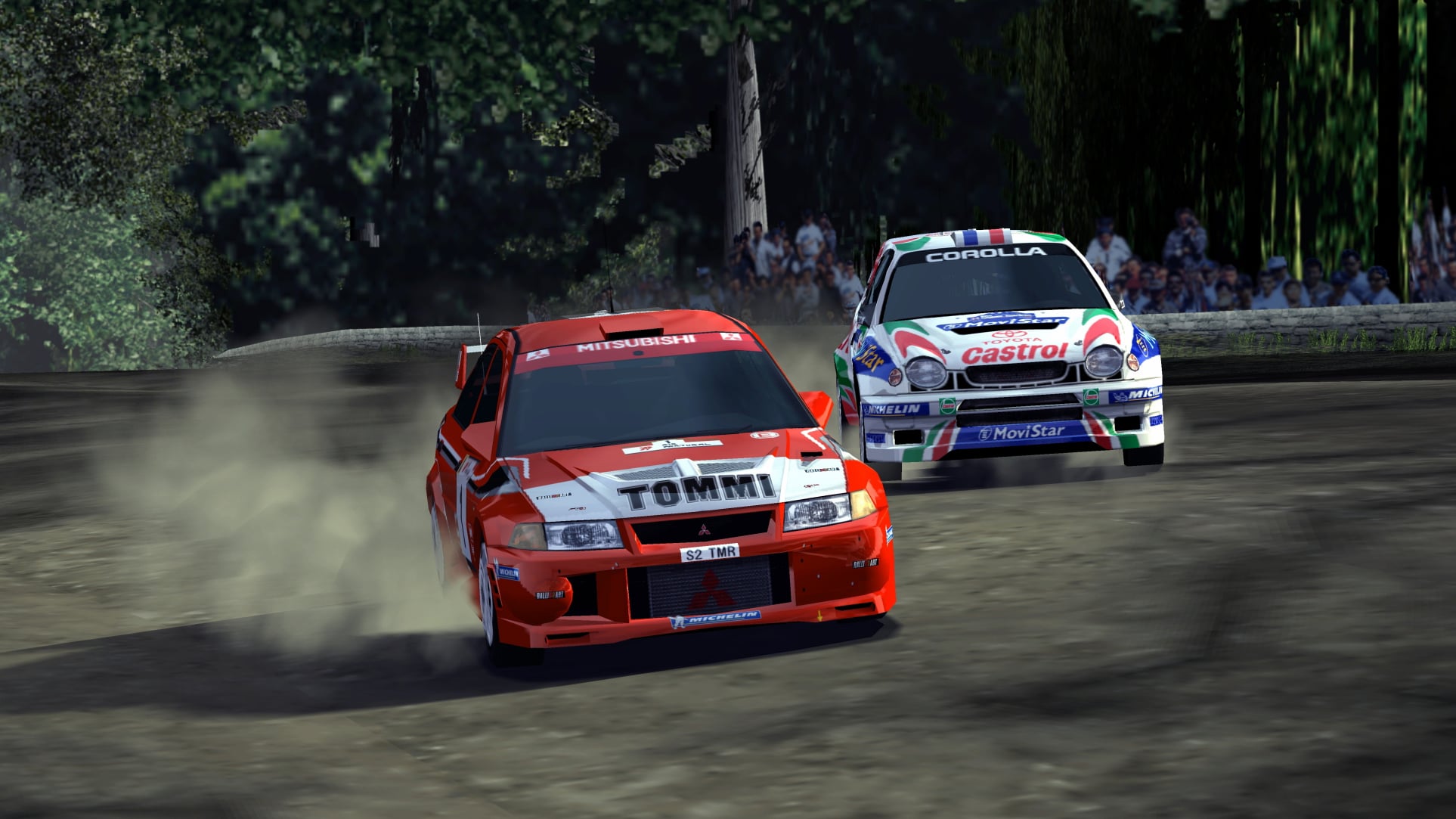
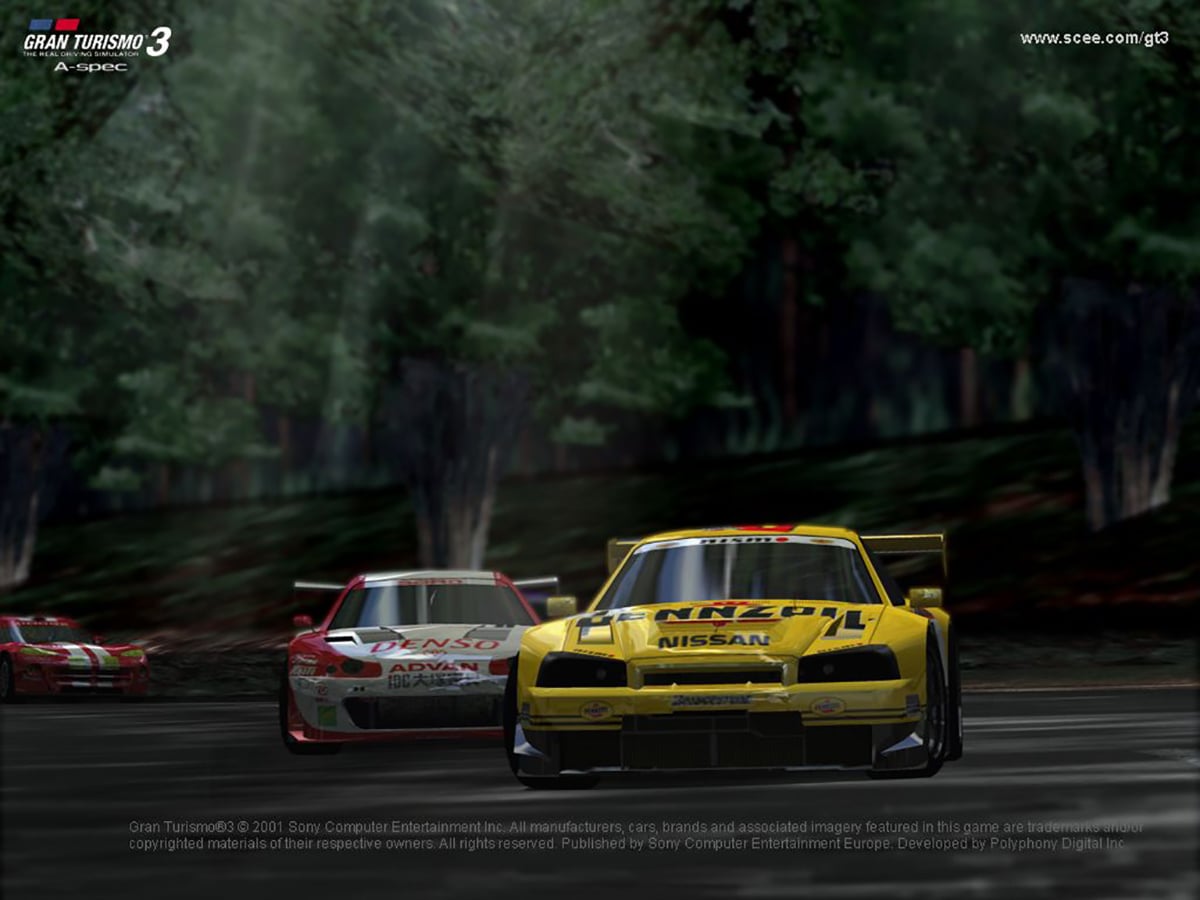
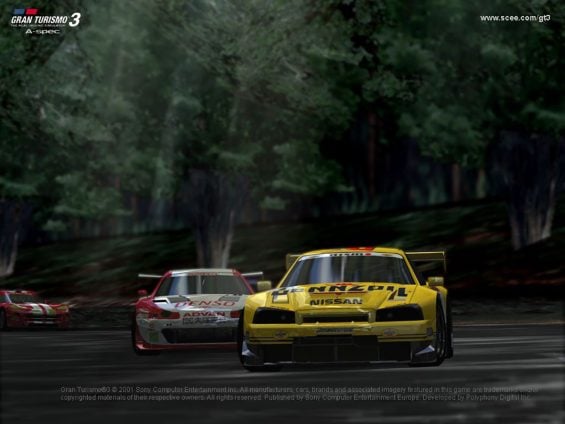
The track scenarios were also much more detailed, this is well noticed in street circuits that use real locations. Some effects such as heat waves and rays of sunlight passing between tree leaves have been added. There was no more beautiful racing game than this in 2001.
Gran Turismo 3 was lean on cars, not content
A big news was the races in the rainThis was the only game with a rally-only licenseEffects such as the sun’s rays passing through the trees and reflections were great innovations at the time
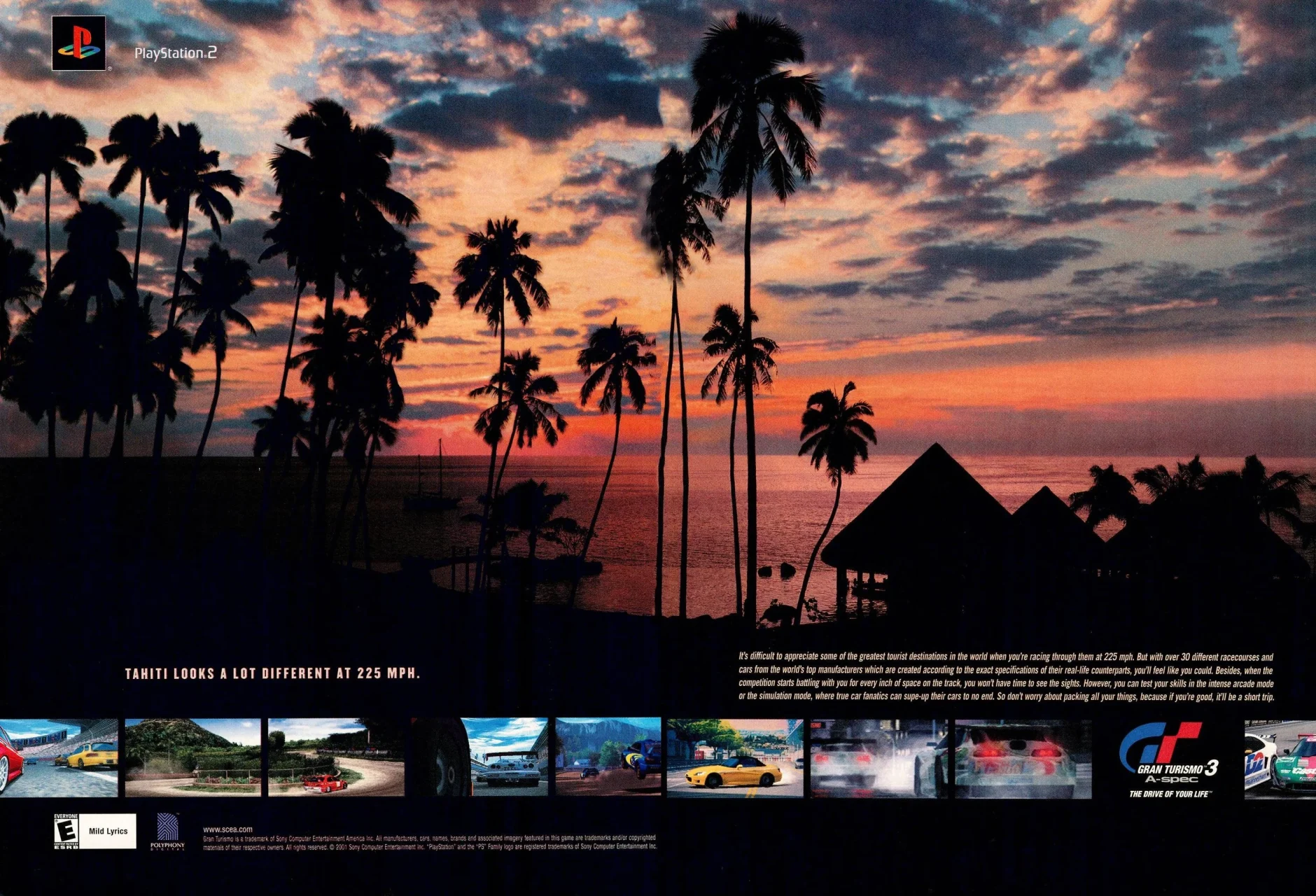
After the grandeur of Gran Turismo 2, with almost 620 cars, the list of 191 cars in the third game felt like a step backwards. He made up for this with a very diverse selection, which included kei cars, regular cars, sports cars with various levels of performance, race cars, super sports cars and the first single-seaters in the franchise.
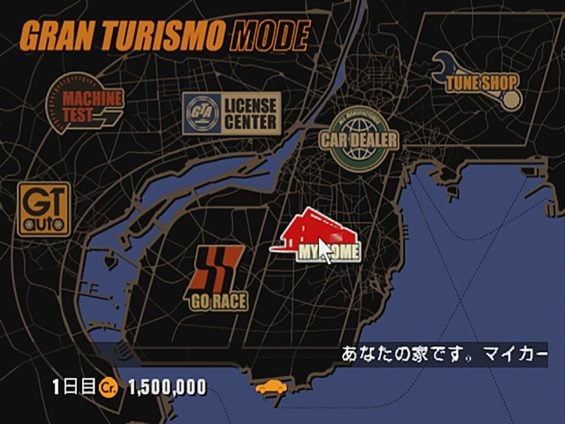
With this smaller list, the used car store was abandoned. However, the progression continued to force the player to start with an older car and improve its performance with modifications to advance.
License testing also returned, this time with a specific rally category. Another novelty was the Time Attack in Arcade mode, where the player had to beat the track time with a set car.
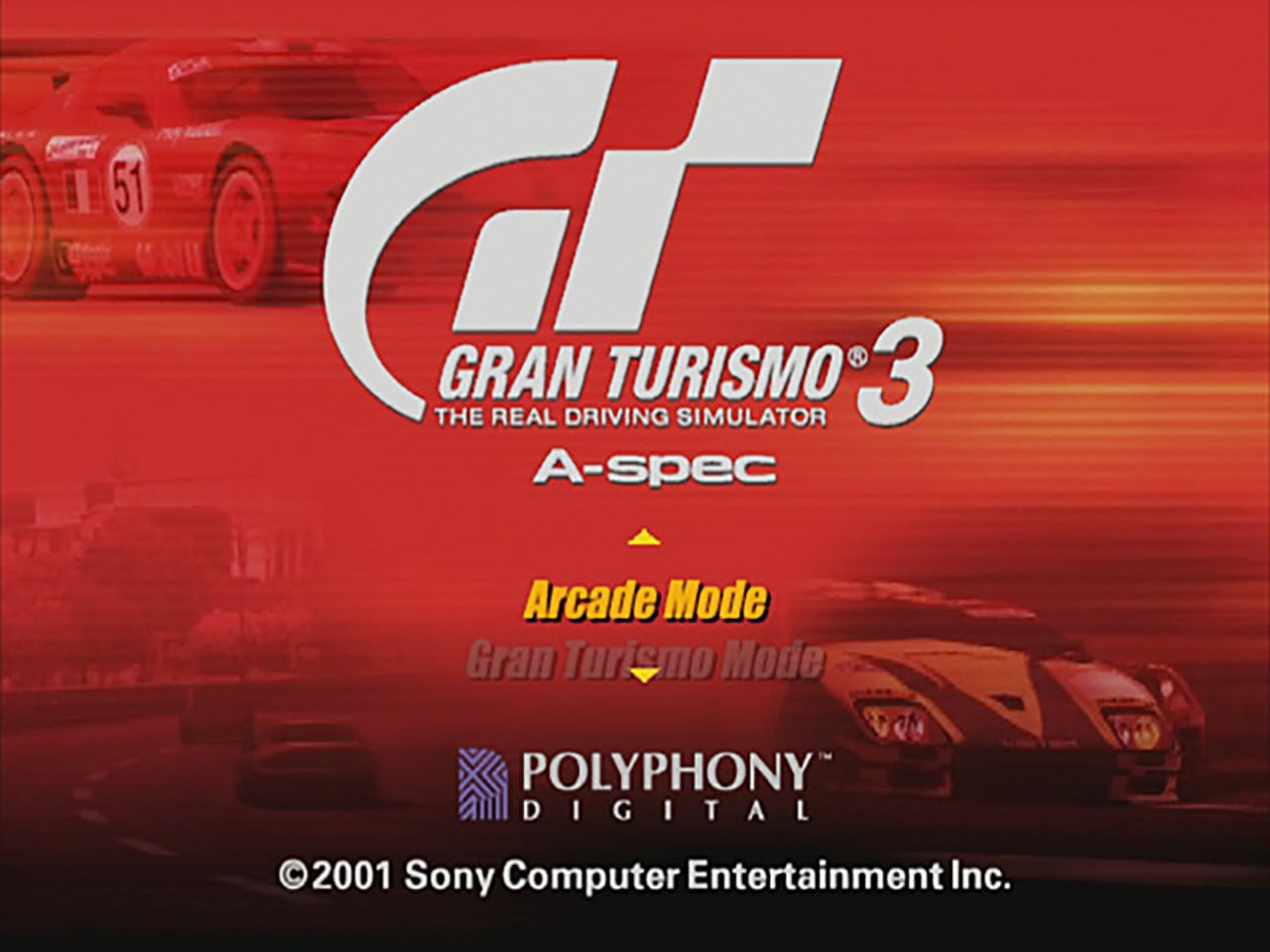
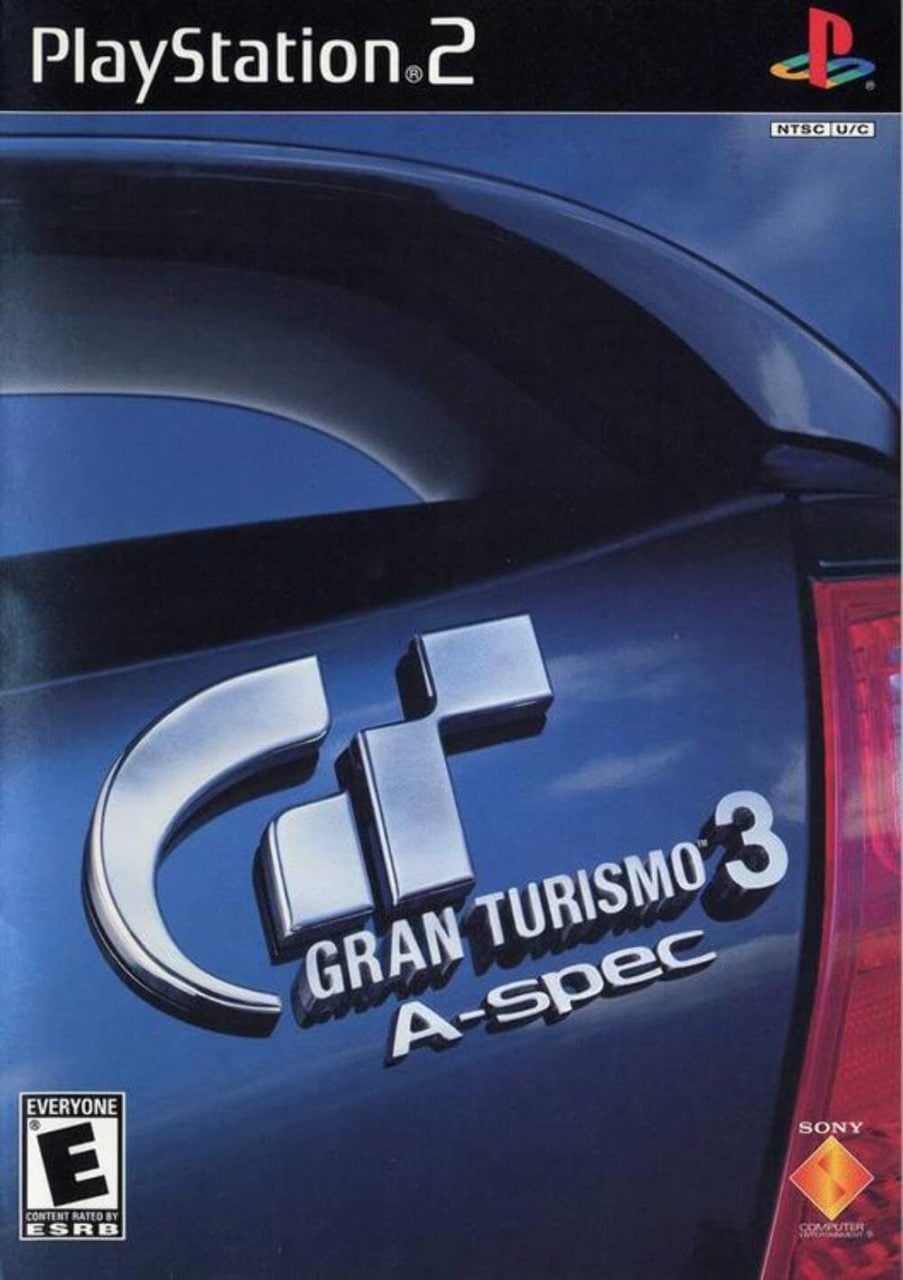
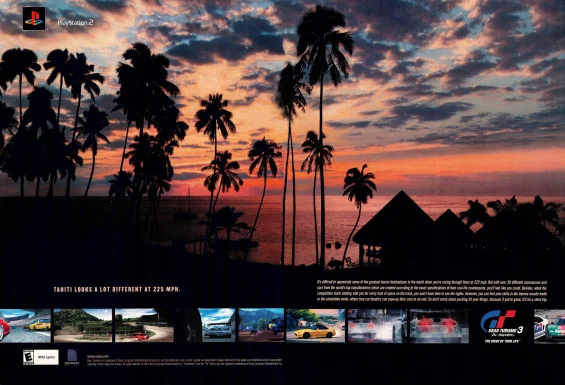
The soundtrack featured a Gran Turismo rap by Snoop Dogg and songs by famous artists such as Apollo 440, Goldfinger, Jimi Hendrix, Judas Priest, Lenny Kravitz, and The CultFor those who have always wanted to know which car is on the cover, it is an Acura CL
The campaign with five different leagues and higher difficulty than the previous game guaranteed the longevity of Gran Turismo 3. Arcade mode also had its progression.
Gran Turismo 3 has had three spin-offs with the Gran Turismo Concept series. One version brought news from the Tokyo Motor Show, another joined the Japanese event with the Geneva one and the third, exclusive to South Korea, joined Tokyo with the Seoul Motor Show.
Gran Turismo Concept took advantage of all the gameplay, tracks, and some cars from the main game, but progression was simpler and more accessible. After this novelty, Polyphony Digital focused on the fourth game in the franchise, which was released in 2005, bringing even more innovations.
Comments are the sole responsibility of their authors and do not represent the opinion of this site. Comments containing profanity or offensive language will not be published. If you identify anything that violates the terms of use, please report it.