What is most heard in the car market is “wait for these Chinese companies to start producing here so that they soon lose their breath”.
If factories (more) and dealerships (less) are worried about the Chinese invasion, they haven’t seen anything yet: says Rogelio Golfarb (current Zag Work consultancy, former vice president of Ford and former president of Anfavea), that the Chinese registered 10% of vehicle sales in Brazil in 2025, but his forecast is to reach 20% in 2030 and 35% in 2035.
In a recent meeting with journalists, Golfarb pondered that the Chinese have a huge advantage over other brands, less because of government incentives and subsidies, more (almost 90%) because of verticalization (they just don’t manufacture tires and glass) and scale: there is a factory in China that produces more than all our sales of 2.6 million units per year, while the Chinese market exceeds 25 million cars per year.
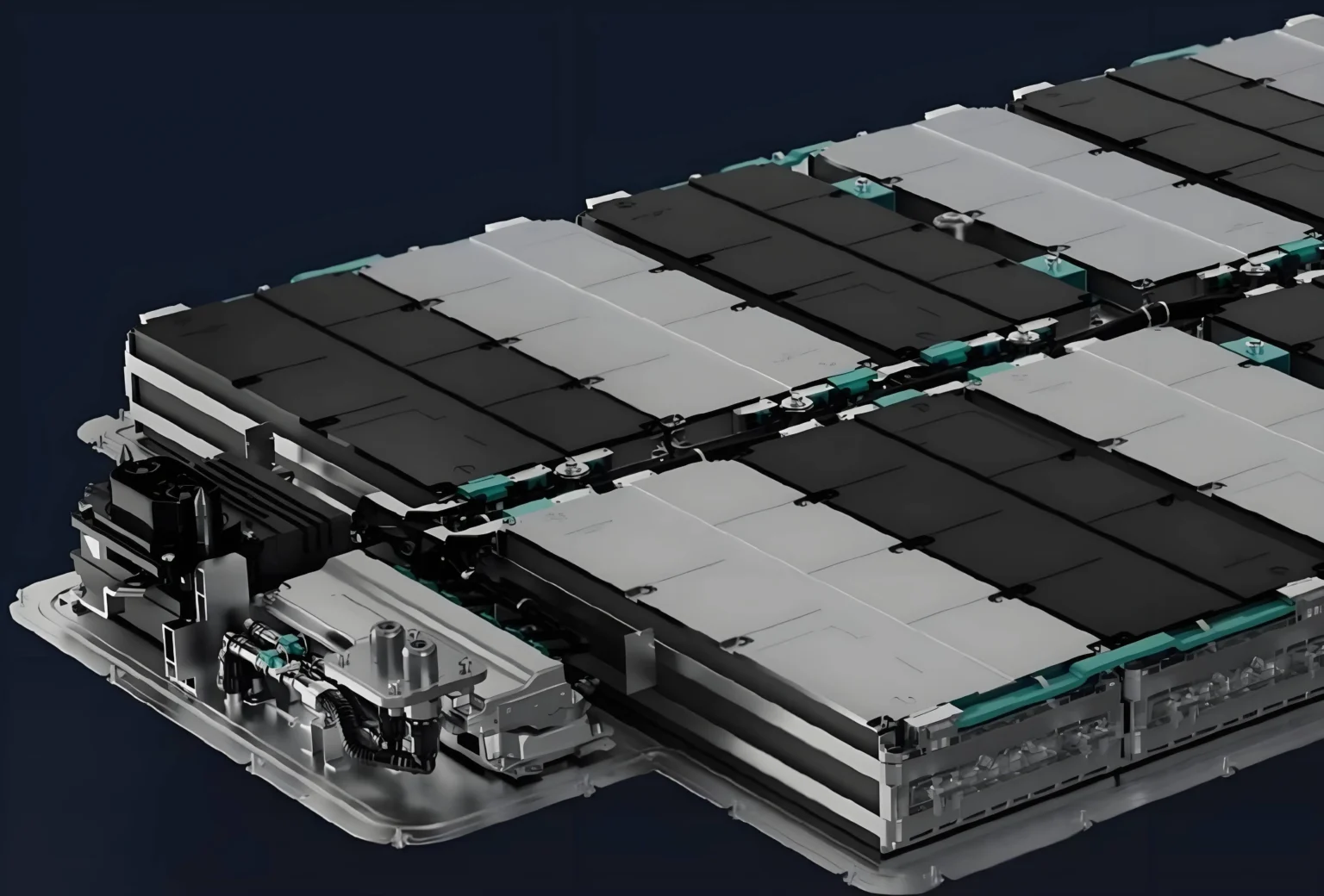
The reasoning that the Chinese will lose a large part of their competitiveness when they start producing locally falls to the ground. Rogelio exemplified with batteries: when our traditional factories come to produce electrified in Brazil, they will have to acquire them in China, at an evidently higher cost. The same reasoning for chips and other electronics.
Batteries will continue to be imported (Photo: Disclosure)
He says that the Chinese brands that have landed here are among the largest in his country. And that, even with our market not registering growth, they will increase their participation by taking shares of the current ones, because “they are heavy companies”.
The so-called “traditional automakers” have already realized and that is why they are associating with the Chinese ones. Stellantis with Leapmotor and Volkswagen with XPeng, for example, and others demonstrate that the market disruption is permanent. Proof of this is that “in the past,” he said, “a new brand coming to Brazil went after dealerships. Today, they are the ones who run after the Chinese who land here.”
Global tsunami
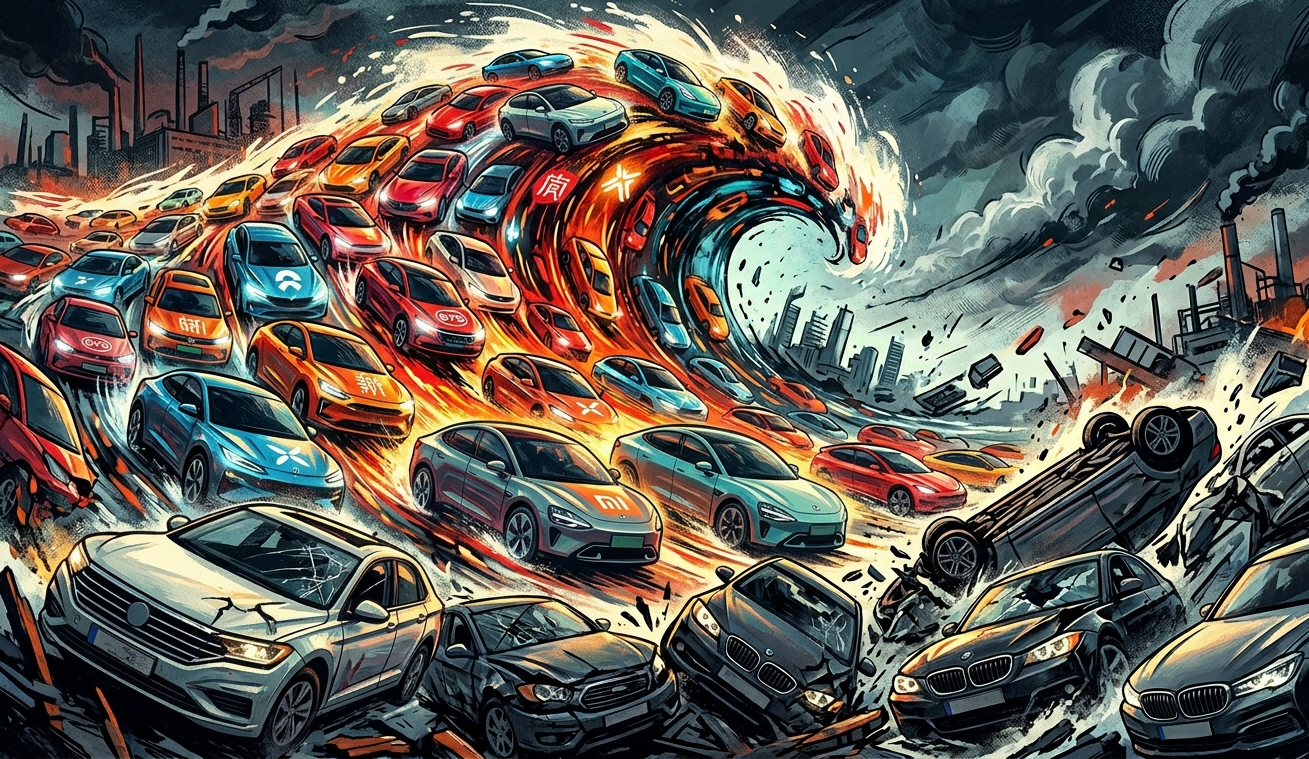
But anyone who thinks that the Chinese only caused this tsunami in the Brazilian market is mistaken. Honda announced its first net loss since 1957. And its CEO, Toshihiro Mibe, declared his company’s inability to compete with the electric cars of the Chinese, produced in factories without human operators. It will cut steps in the manufacture of its models to reduce costs and accelerate the development of electric vehicles.
In fact, the entire Japanese industry is worried about its results in recent months. Nissan in a phase of complete commercial and industrial restructuring. Delayed in its electrification project and announced that it was closing seven factories by 2028.
The Japanese have lost market share in China and their performance with vehicle electrification is not the best. Toyota is the only one to do better in this panorama with its hybrids, where it was a pioneer with the Prius.
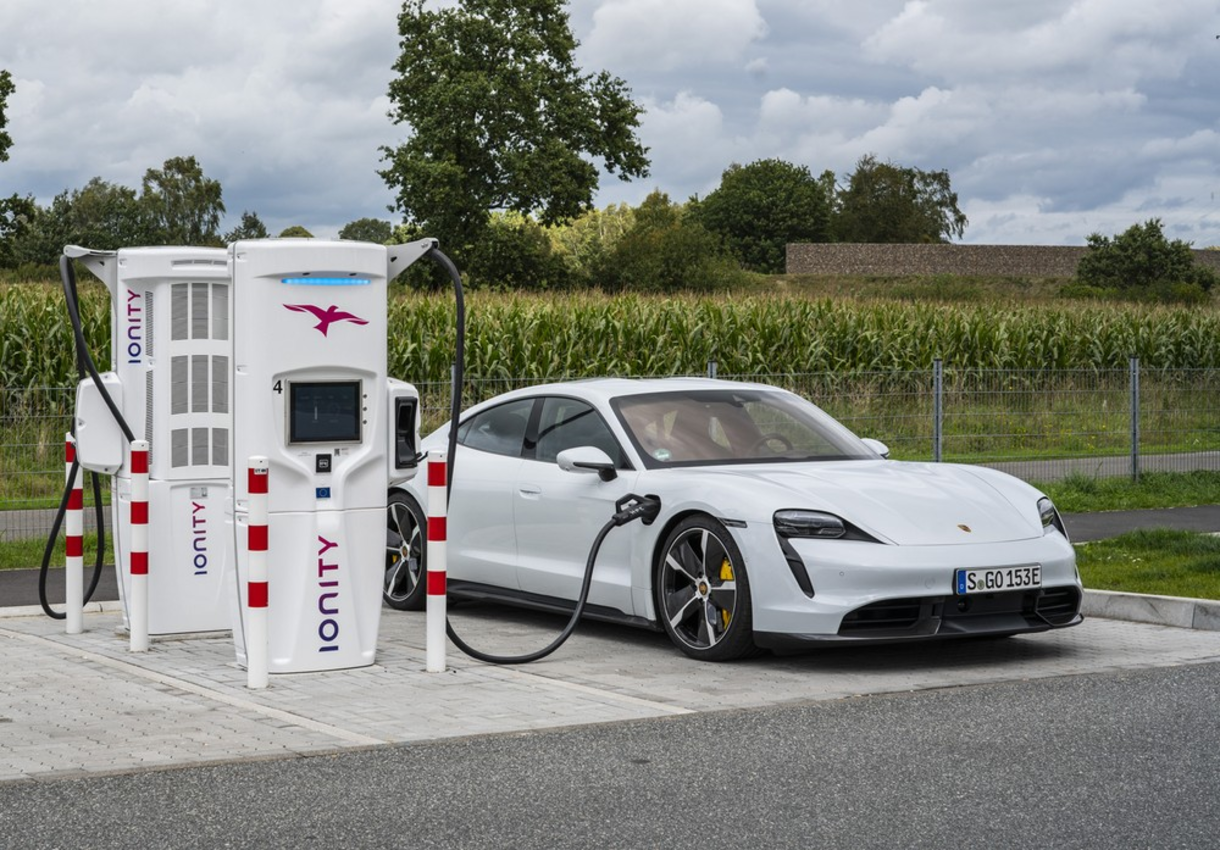
Porsche: loss with electrification (Photo: Disclosure)
In Europe, even traditional brands such as Porsche announce millionaire losses with their electric cars: poor sales of the current ones and shelving projects where it has already invested billions of euros. In the US, tens of billions of dollars of losses for Ford, GM and Stellantis with the drop in demand for electric vehicles and tariff barriers.
The Chinese automobile industry has made the most significant turning point in recent times: from “Xing-Ling” just over ten years ago, it stands out today for the technology (especially electric), quality, price and design of its models.
Ford Brazil was almost ashamed to explain that the Territory SUV came ready from China when it started importing it six years ago. Today, all that remains is to argue “you can buy it because it’s all Chinese”.
Comments are the sole responsibility of their authors and do not represent the opinion of this site. Comments containing profanity or offensive language will not be published. If you identify anything that violates the terms of use, please report it.