The electronic management of modern cars allows for a certain degree of customization in the driving experience
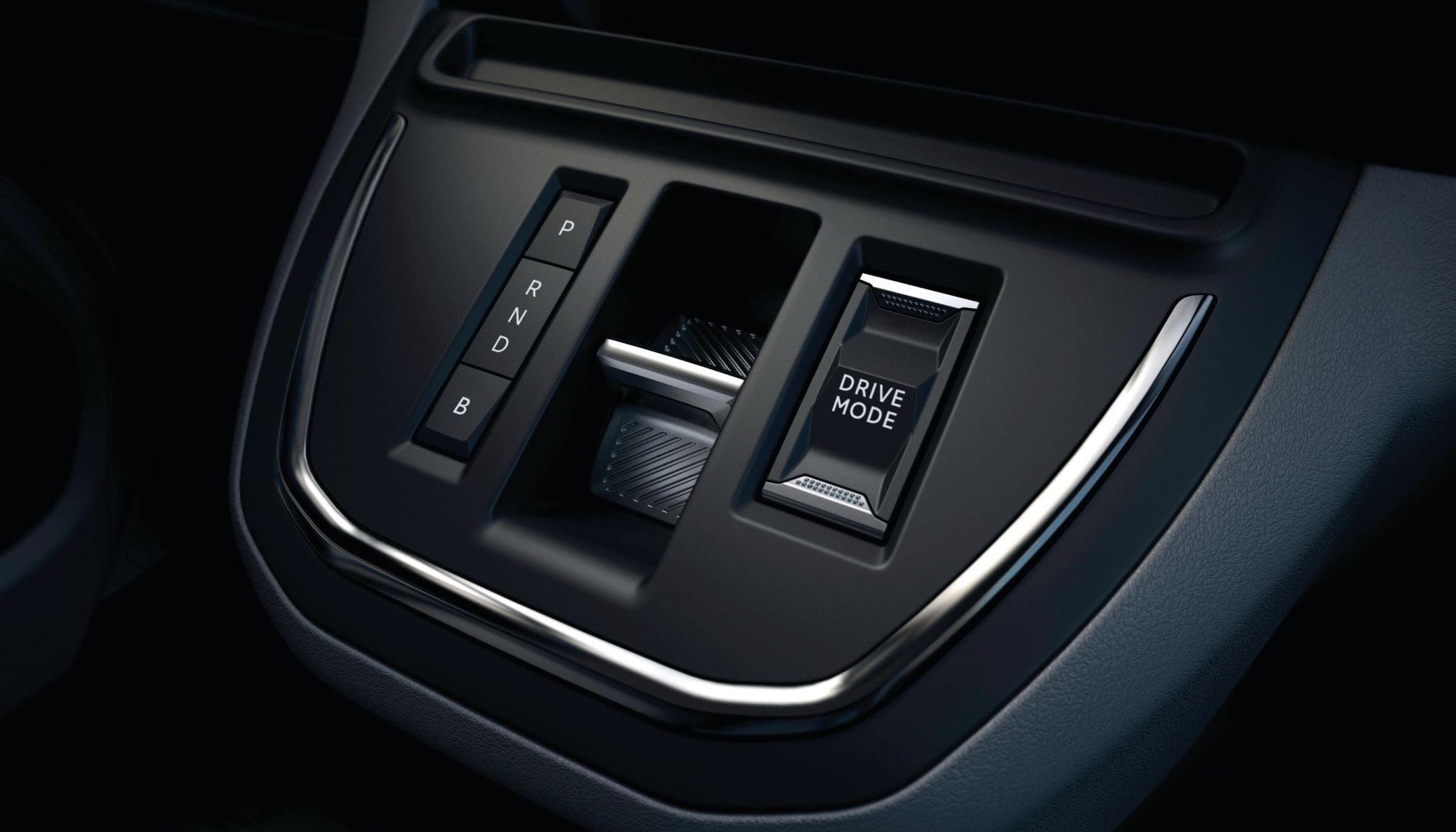
Previously reserved only for sports cars, today the driving mode selector exists even in national compact cars. Thanks to the greater presence of electronics in modern vehicles, the driver can already customize some features of the machine.
The most common is to have the option of a sports mode and one focused on economy. In models with an off-road proposal, a terrain selector can also be used, to facilitate driving in adverse conditions.
SEE ALSO:
But what do the drive mode selectors actually change in the car? Its operating principles end up being quite simple in compact and medium cars.
In the BMW M5 of the E60 generation, the one with a V10 engine inspired by Formula 1 cars, the driver had 400 hp available in common mode and only had access to a maximum power of 507 hp in “M” sport mode. In the most common cars this does not occur, the power limitation is only seen in some sports models or in very powerful electric cars.
The “sport” button of ordinary cars is more of a placebo. It makes the throttle response faster and changes the pedal graduation, opening the intake throttle more with a smaller movement.
This makes the car feel faster, when in fact it’s just reacting differently. One way to witness this effect is to activate the sport mode while at constant speed, the car will gain speed without the driver changing the pressure on the pedal.
The sporty driving mode can also affect the steering assistance, making it heavier to simulate the weight found in sport. In cars with automatic transmission, it holds the gears more, to keep the engine full, and changes them at higher revs.
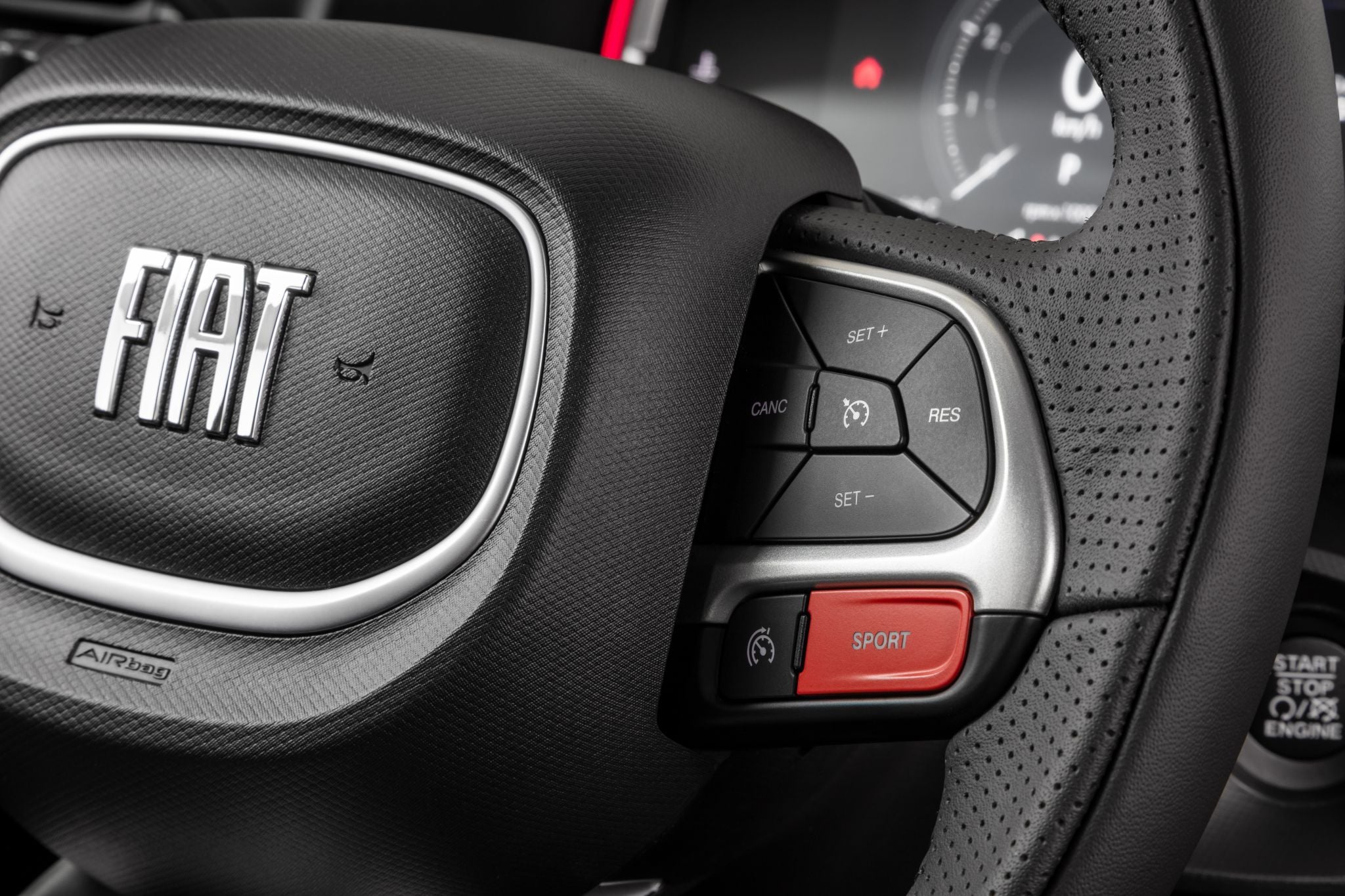
In Fiat cars equipped with CVT transmission, the Sport mode makes the gearbox always work simulating gears, without continuous variations. In the Italian brand’s Abarth line, this mode is called “Poison” and includes torque vectoring, makes stability control more permissive and changes the instrument panel.
As many current cars have a long throttle response delay, caused by standardized emissions tests, this driving mode can be used to reduce this effect. However, along with the sharper throttle is the changes in gear changes, which can affect consumption.
The sport mode can also affect the cruise control programming, making the car more aggressive to reach the selected speed.
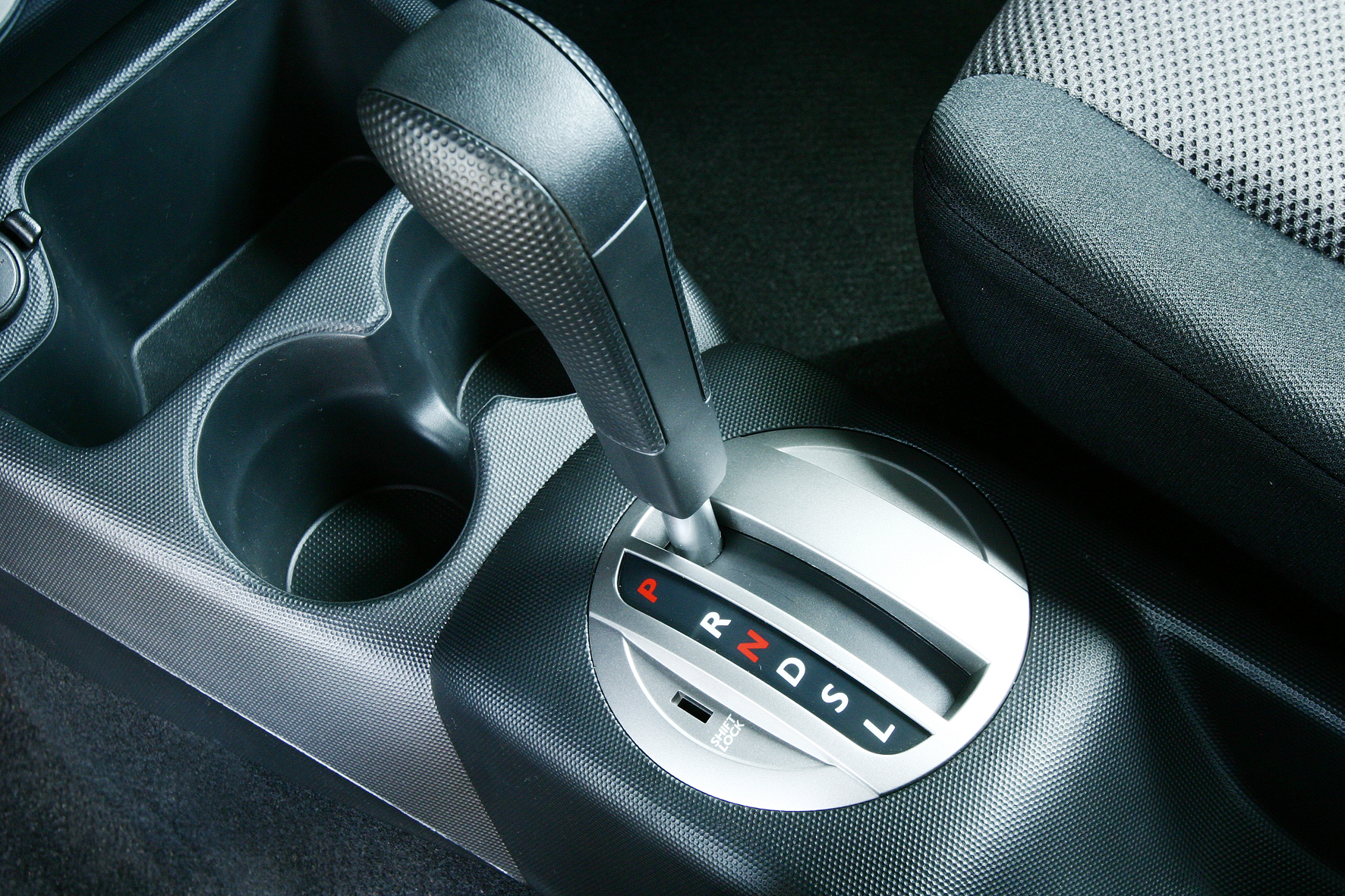
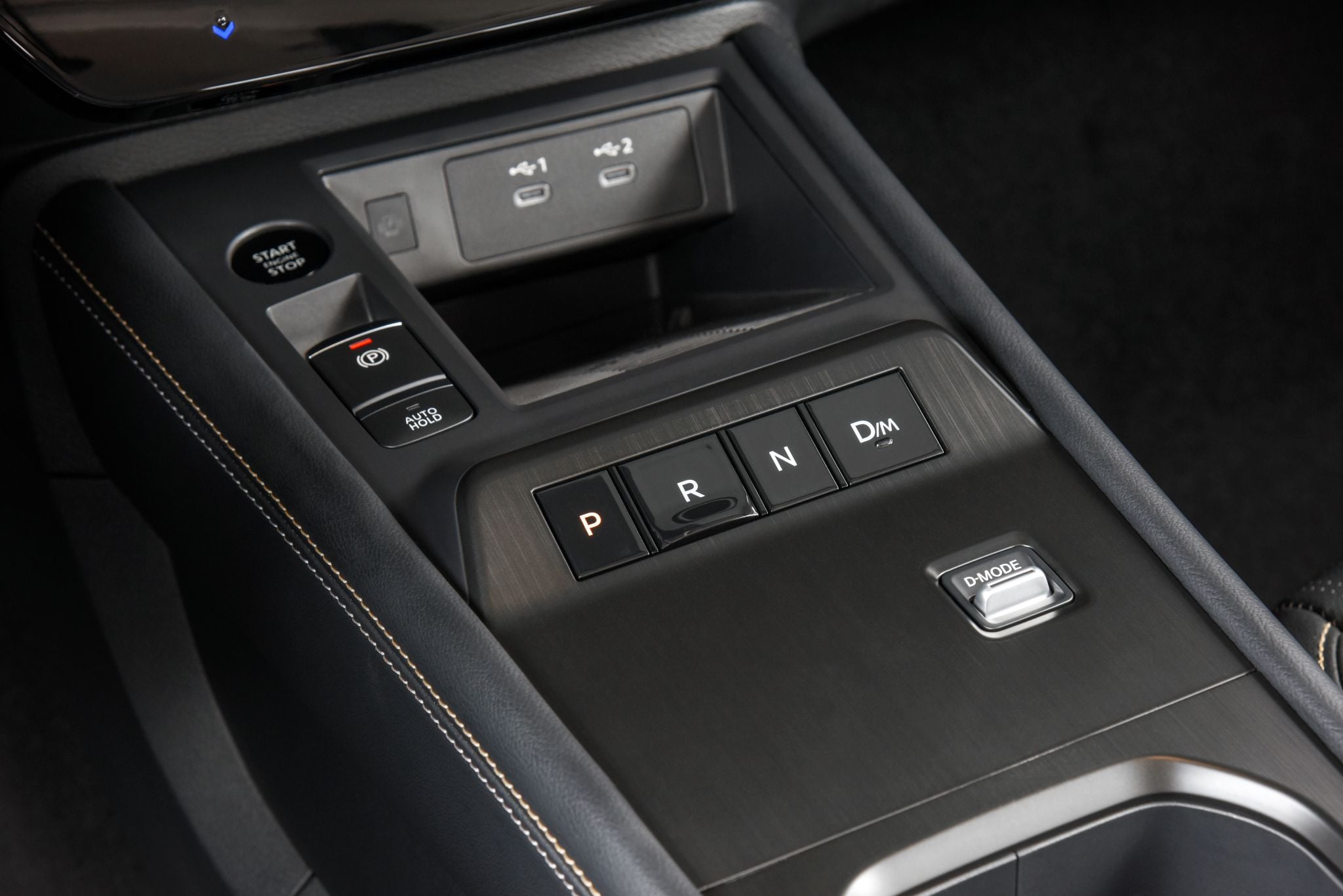
In several cars with automatic transmission, there is an “S” or “Sport” position on the grille or on some button nearby. Even in cars from the 90s there was this option, as in the Chevrolet Omega.
In these cases, the sports position is only related to the behavior of the gearbox, delaying gear changes. In cars with CVT gearbox without gear simulation, such as the first-generation Honda Fit and Nissan Sentra, the S position prioritizes shorter ratios and makes the engine fuller, and can also serve as an engine brake on light descents.
An exception to this rule is current Volkswagen cars. In them, the S position of the gearbox triggers the sporty driving mode, with changes in the throttle profile and steering.
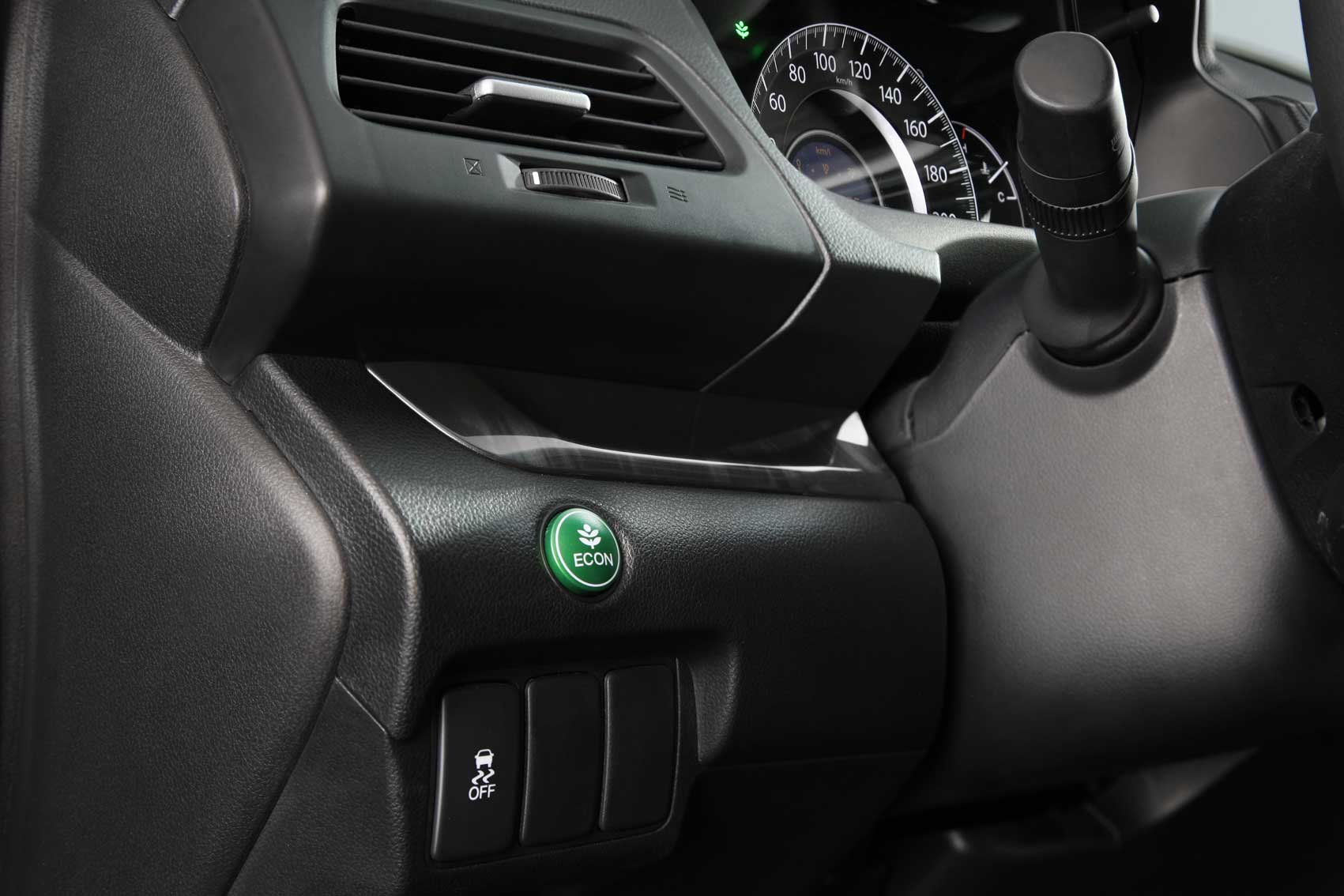
The economical driving mode is usually more complex than the sports one. Some manufacturers make this option change engine operating parameters, the behavior of the accelerator, gearbox and even air conditioning.
In Honda cars, for example, it is activated by the green “Econ” button. The Japanese brand says that activating it slows throttle responses between 45 and 80% of the stroke, makes the gearbox go up gears earlier, uses less power in cruise control and programs the air conditioning to use recirculation more.
On Renault cars, Eco mode changes engine management and throttle response only. The air conditioner has an economical program that can be activated separately.
Volkswagen cars make changes similar to Honda’s and add freewheel to the roster. The car automatically disengages the gearbox on flat roads or on slight slopes to maintain speed without the use of the engine.
Along with these changes, it is common to come with a visual guide to help the driver save money. Honda cars use the color of the instrument panel for this, Nissan cars have a guide on the dashboard and Renault cars rate driving in the multimedia center.
It is important to remember that the car does not save fuel on its own. It’s no use activating the economy driving mode and getting your heavy foot on the accelerator, it will pay off to a certain extent. The route also affects, in traffic jams or taking many climbs there is no way to escape high consumption.
Despite making the pedal less sensitive, the economy mode can be temporarily canceled when stepping on the accelerator to the bottom. This allows you to overtake or evade maneuvers without having to keep changing driving modes.
Those who are more used to the car can even get good averages without using the economy mode. At the end of the day you need to have good driving habits to use the car well, electronics just help.



