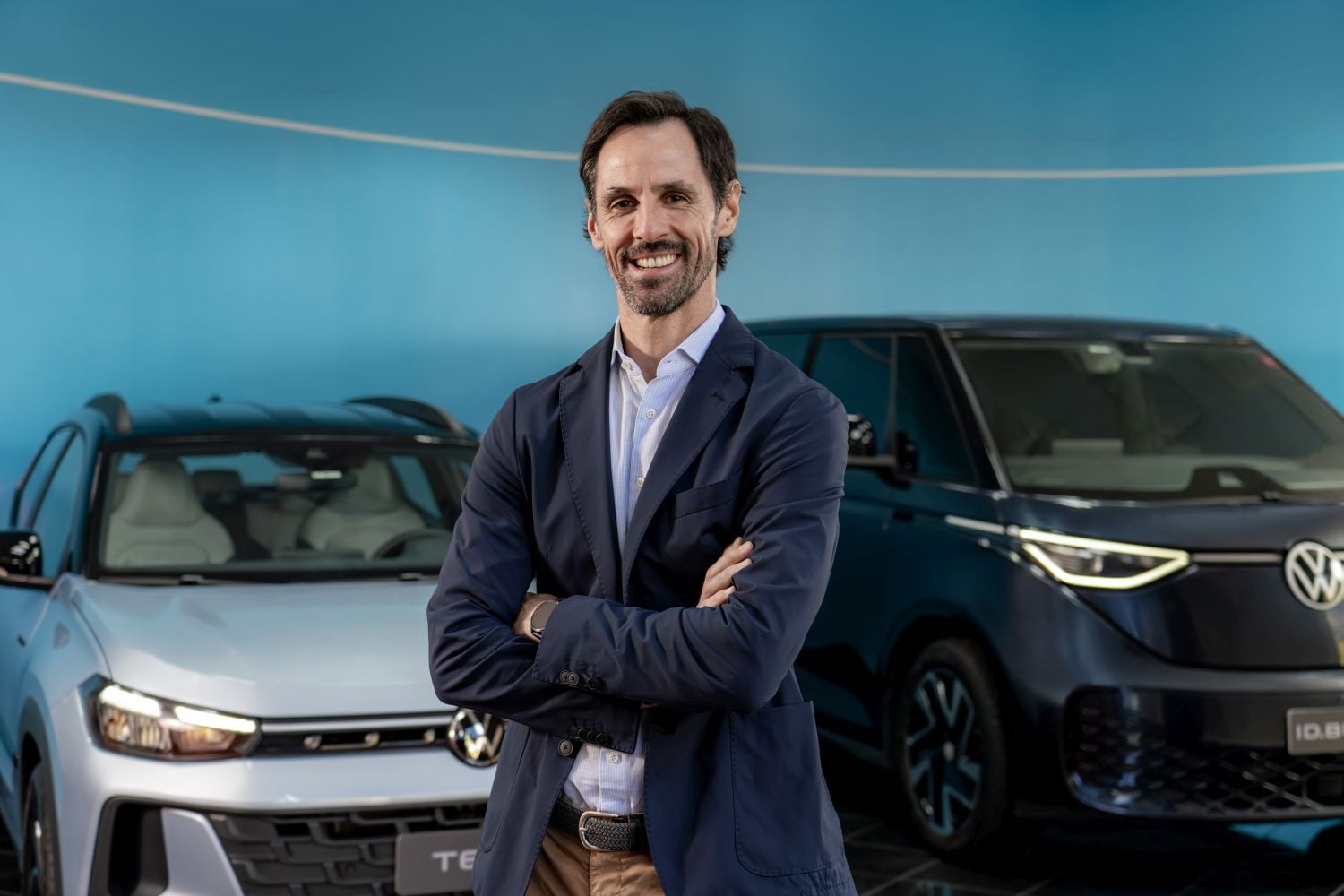
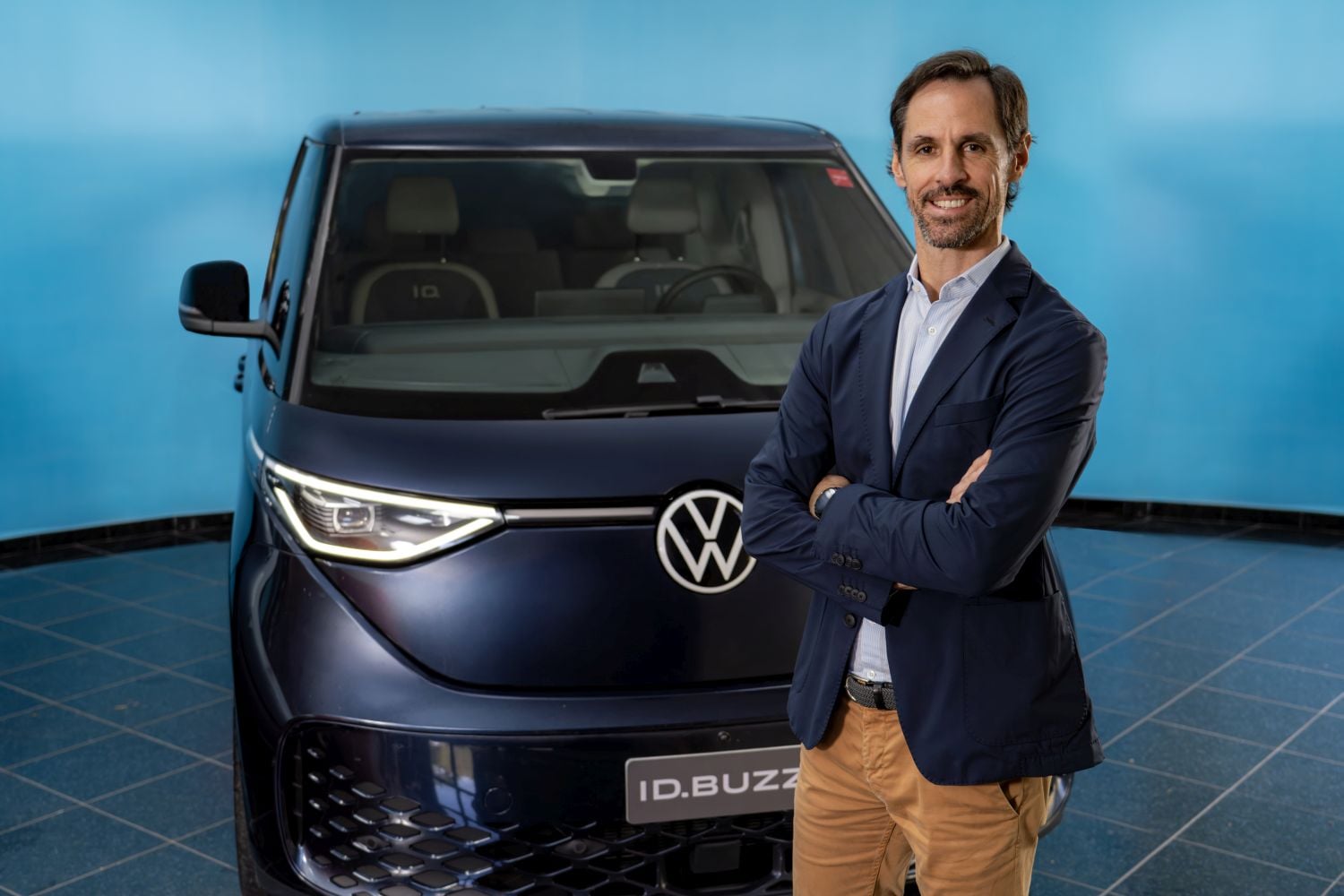
The transfer of the head of Sales and Marketing for Latin America, Fernando Badia, to the global command of Volkswagen’s light commercial vehicle division closes an important cycle in the recent history of the brand in Latin America. After seven years at the helm of regional operations, the Argentine executive leaves a structure that has undergone a profound portfolio renewal, commercial reorganization and strengthening of the brand’s presence in several Latin markets.
The change comes at a strategic time for Volkswagen. In recent years, the company has expanded its participation in the region driven by new products, export growth and investments aimed at renewing its line. Brazil played a central role in this process, both for its production capacity and for the development of local engineering.
In Germany, Badia will lead VW’s global sales of light commercial vehicles, a segment that is closely linked to the metamorphosis of retail
During an interview with AutoPapo before his departure for Germany, Badia highlighted that Latin America still faces structural challenges to consolidate itself as a more integrated market. According to him, regulatory, tax and homologation differences between countries make it difficult for vehicles produced within the region itself to circulate.
Brazil is an industrial and engineering power, but there is still a lot of room to expand its regional competitiveness,” he said.
The challenge of replacing the Gol
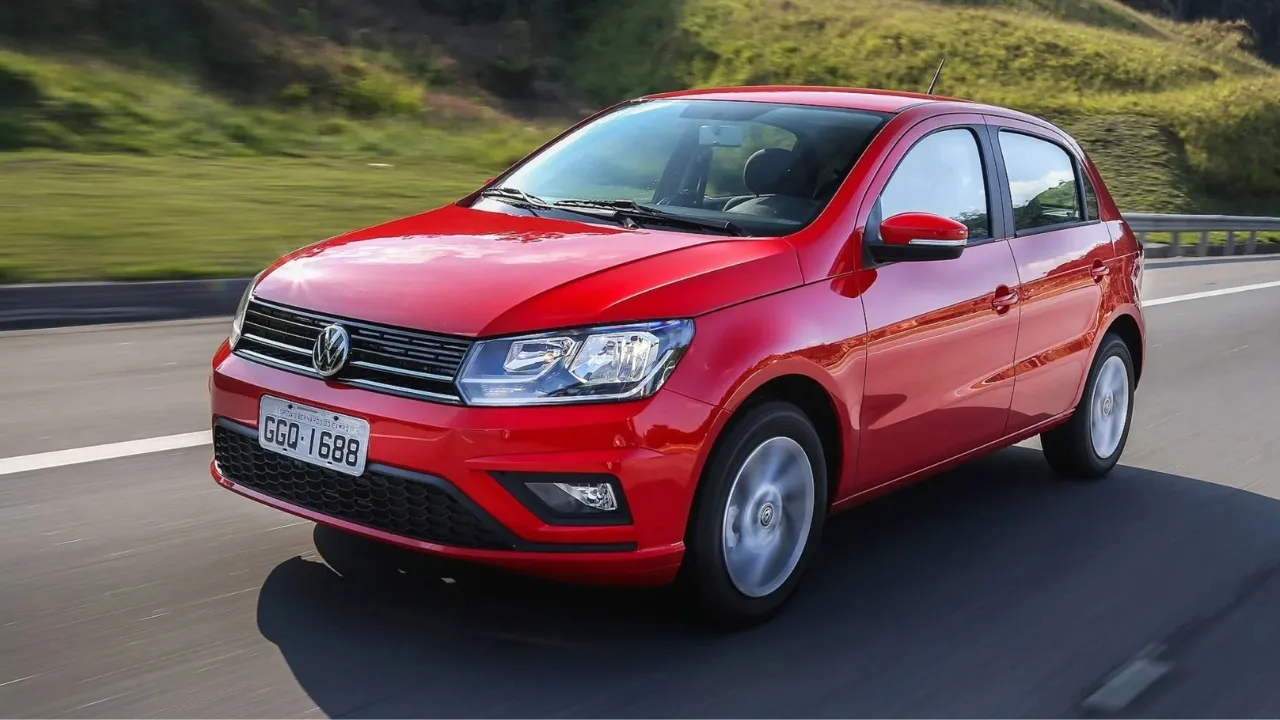
Among the main milestones of his time at the branch is the retirement of the Gol, a model that for decades was one of Volkswagen’s symbols on the continent. Ending the trajectory of a car that led sales and helped build the brand’s image required a profound reformulation of the commercial strategy.
Badia classified the process as a reconstruction of Volkswagen’s identity. “When the Gol was discontinued, we had to rebuild an icon. It was a robust, affordable and much-loved car. Replacing him required almost two years of work,” he explained.
Volkswagen Gol is the brand’s biggest success in Brazil and in much of the Latin market
The departure of the hatch coincided with the expansion of the SUV family and the arrival of new products developed to meet the demands of the Latin American consumer. The move allowed the manufacturer to reposition its offer in higher value-added segments, while preserving its presence in volume markets.
The renovation also consolidated a strategy based on local development. Volkswagen began to invest more intensely in vehicles designed for the South American reality, taking advantage of the experience accumulated by Brazilian engineering in adapting products to the conditions of the region.
Tukan emerges as a continental bet
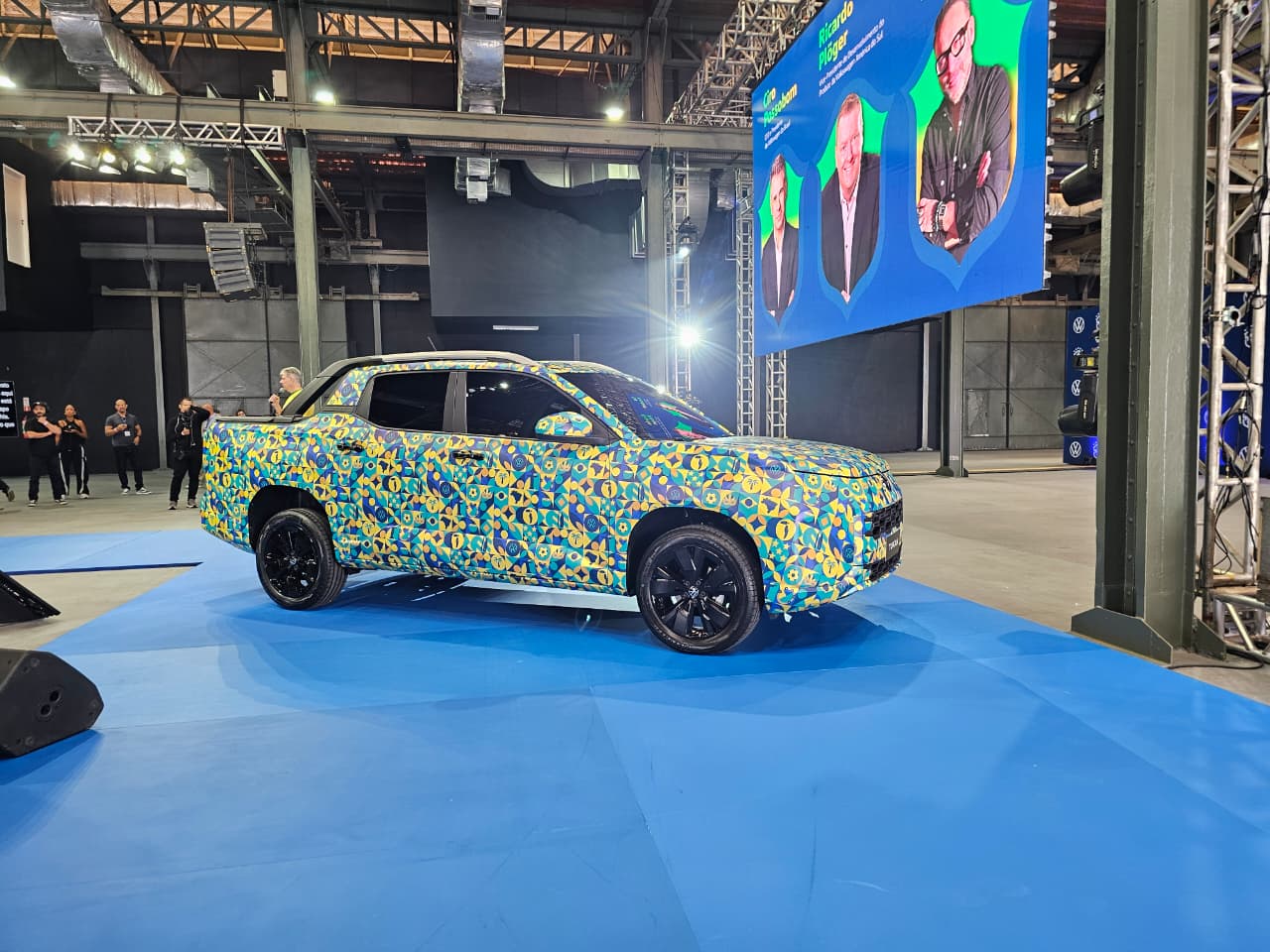
If the farewell to the Gol marked the end of an era, the future Tukan pickup represents one of the main bets of Volkswagen’s next phase in Latin America.
Developed entirely in Brazil, the pickup was designed to occupy the space between Saveiro and Amarok and serve markets where work and mixed-use vehicles have high economic relevance.
Tukan is VW’s big bet to expand its share in the Latin market
For Badia, the project symbolizes the maturity achieved by regional engineering. “It is a car invented and developed in Brazil to serve all of Latin America,” he said.
The executive believes that Tukan will be one of the pillars of the brand’s growth in the coming years. According to him, the product has the potential to conquer agricultural and urban markets in several countries in the region, taking advantage of a segment in which direct competition from Asian manufacturers is still limited.
The pickup is expected to become one of the main vectors of Volkswagen’s commercial expansion outside Brazil, reinforcing the country’s role as a center for the development of vehicles for emerging markets.
Global challenge
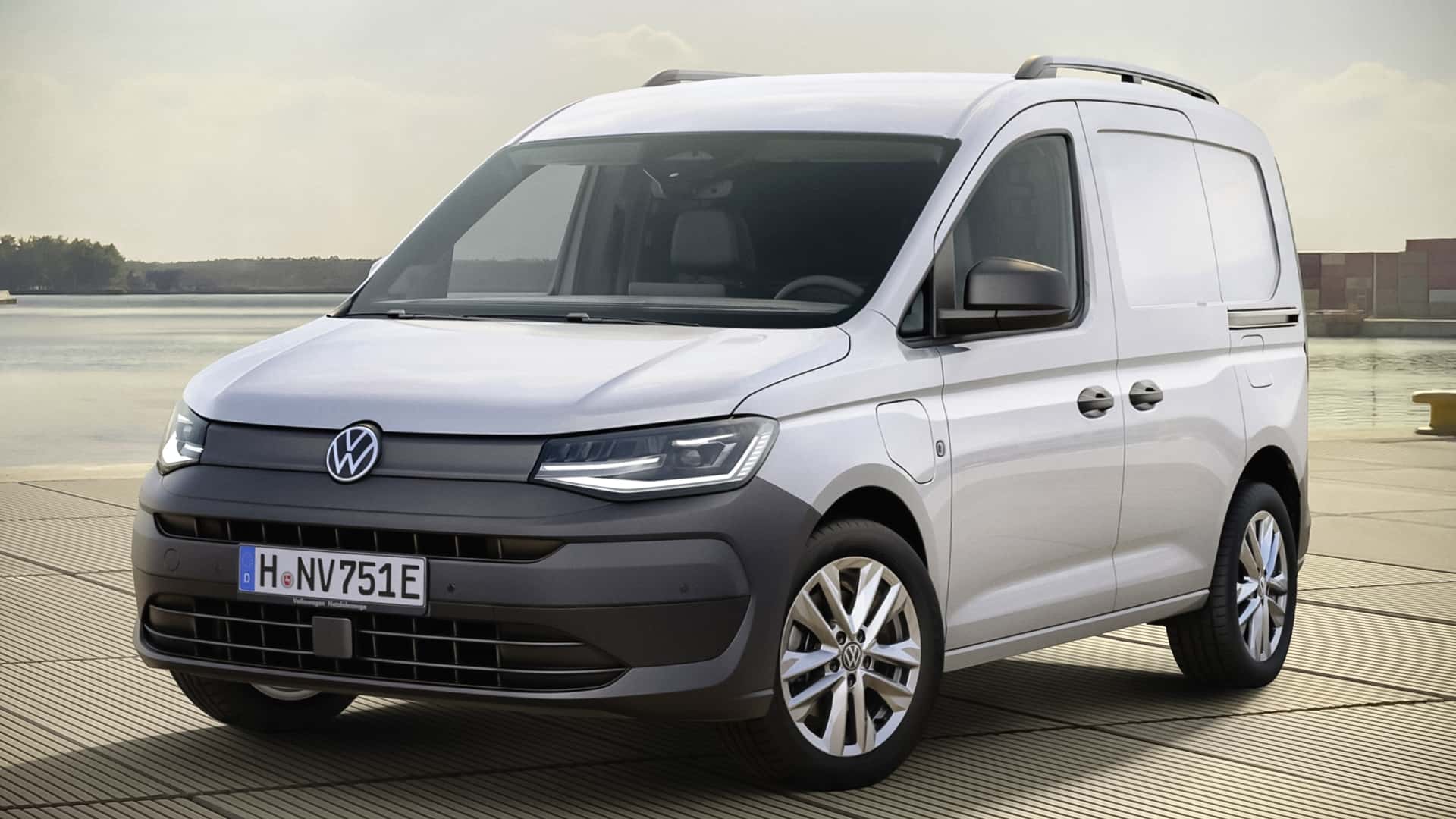
From July, Badia assumes the global leadership of Volkswagen’s light commercial vehicle division, an area responsible for models used in logistics, urban transport and professional services.
The challenge coincides with an accelerated transformation in this segment. The growth of e-commerce has increased the demand for distribution vehicles, while environmental restrictions and new traffic rules in large urban centers require increasingly specialized solutions.
E-commerce has completely transformed the demands of delivery vehicles that need to meet traffic restrictions and environmental requirements
According to the executive, the sector is experiencing a change similar to that observed in passenger cars, driven by electrification, connectivity and the need for more efficient logistics operations. “We are not selling emotion. We are selling a work tool,” he summarized.
In addition to the expansion of electric vehicles, the global operation will need to deal with different regulatory requirements, new propulsion technologies and the growing pressure for efficiency in urban deliveries.
Upon leaving Latin America, Fernando Badia delivers an operation that has grown again, expanded its regional integration and is preparing a new product offensive. The next step will be to apply this experience on a global scale, now in one of the most strategic segments of the automotive industry.
Comments are the sole responsibility of their authors and do not represent the opinion of this site. Comments containing profanity or offensive language will not be published. If you identify anything that violates the terms of use, please report it.