It may seem advantageous to use an unknown or refurbished component to save some money after the overhaul, but this can turn into a loss
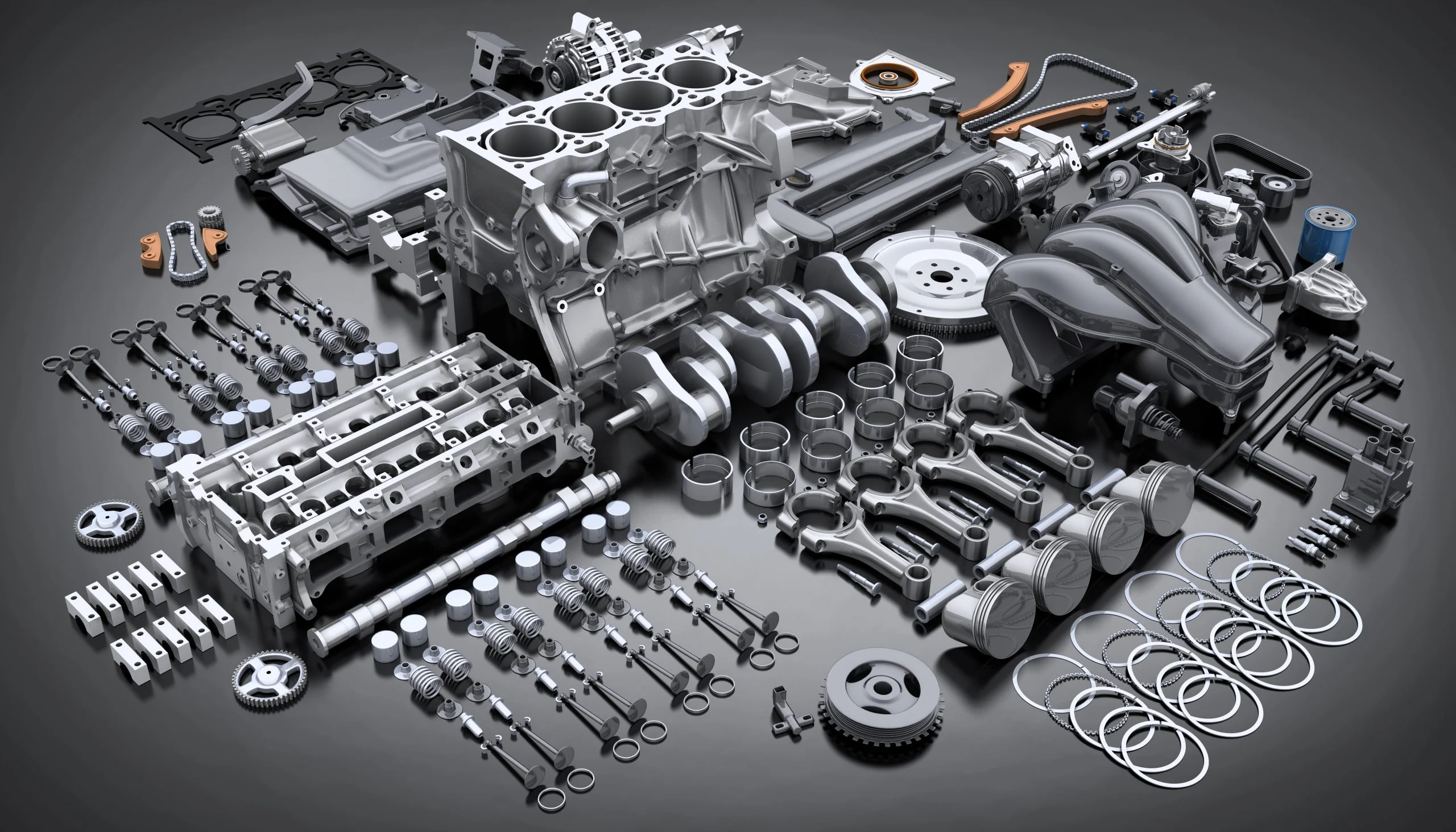
Car maintenance can weigh on people’s pockets, but saving on some parts can put you and the occupants at risk. Certain mechanical components are vital for the proper functioning of the vehicle and for safety.
The right thing is to never save money and use good components. However, there are some things where it is possible to spend less knowing that you will have to change more frequently or if it is something you use little, such as the wiper blades in regions with little rainfall.
SEE ALSO:
Below we are going to show you five pieces where you should not skimp when changing under any circumstances. It is, literally, the cheap ones that are expensive.
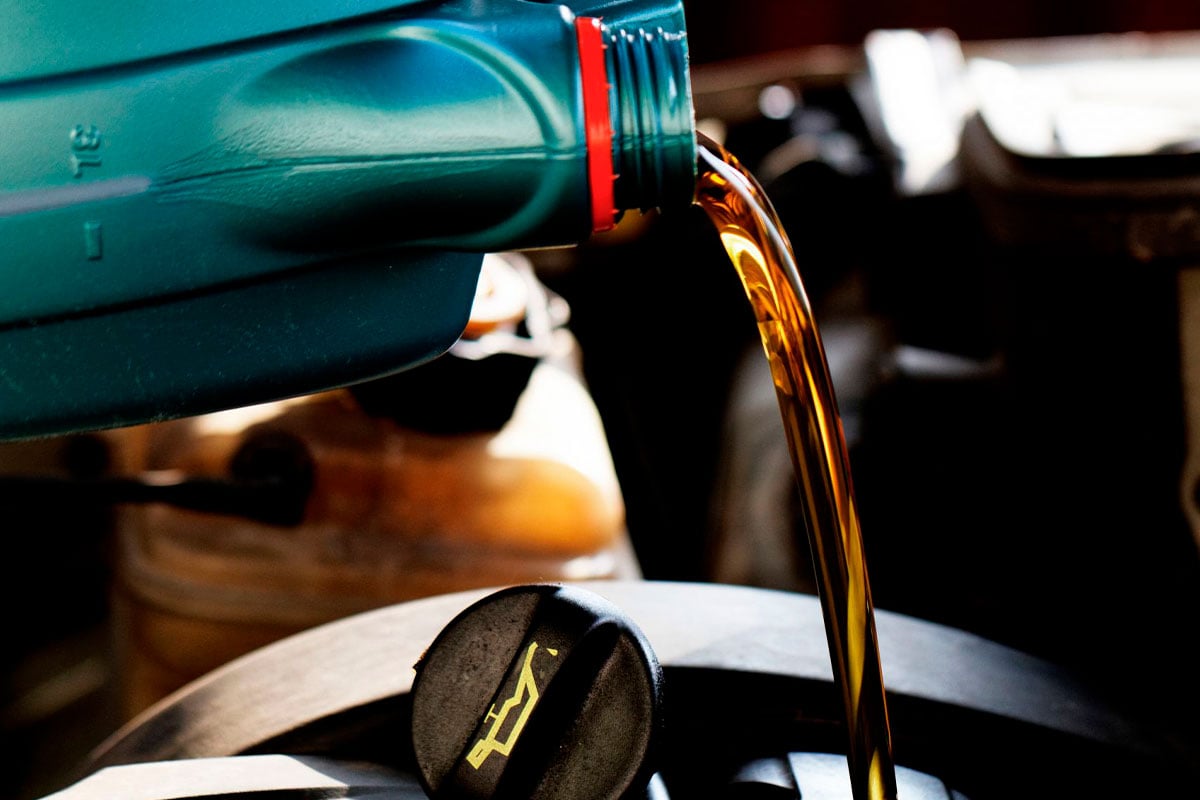
Changing the lubricating oil is usually the maintenance that dictates the period of preventive inspections. It can also be the expensive service in these routine maintenances, so it becomes the target of dangerous savings.
The difference between the price of a good oil and a bad one, which runs the risk of being counterfeited, is small. The liter can range from R$ 20 to up to R$ 80 depending on the model and the place where it is purchased.
Using a traditional brand oil or the one supplied by the automaker, always in the specifications indicated in the car’s manual, guarantees engine protection and the best performance. Saving on this can decrease durability and increase consumption.
In cars with an oil-bathed timing belt, it is also necessary to make sure that the chosen model has the certification that guarantees its protection. And their price is on average for others without offered on the market, it is a myth that they cost more than a common oil.

Those who drive their cars a lot try to save money by buying cheaper tires. The justification is in the frequent changes, which weigh on the pocket, but it may be precisely this economy that makes the service frequent.
Cheaper tires and brands without tradition can even impress as new. But it is necessary to keep an eye on some information, such as treadwear, which indicates durability.
Good tires and traditional brands are usually more durable, have higher performance and the carcass can be more resistant. Even though they cost more, they will be able to last longer and space out the changes, especially if the rotation is done.
As for remolded tires, we don’t even need to mention that they are a nut economy. There is no regulation on the origin of the carcass, a set of the same measure can have completely different origins in each unit.
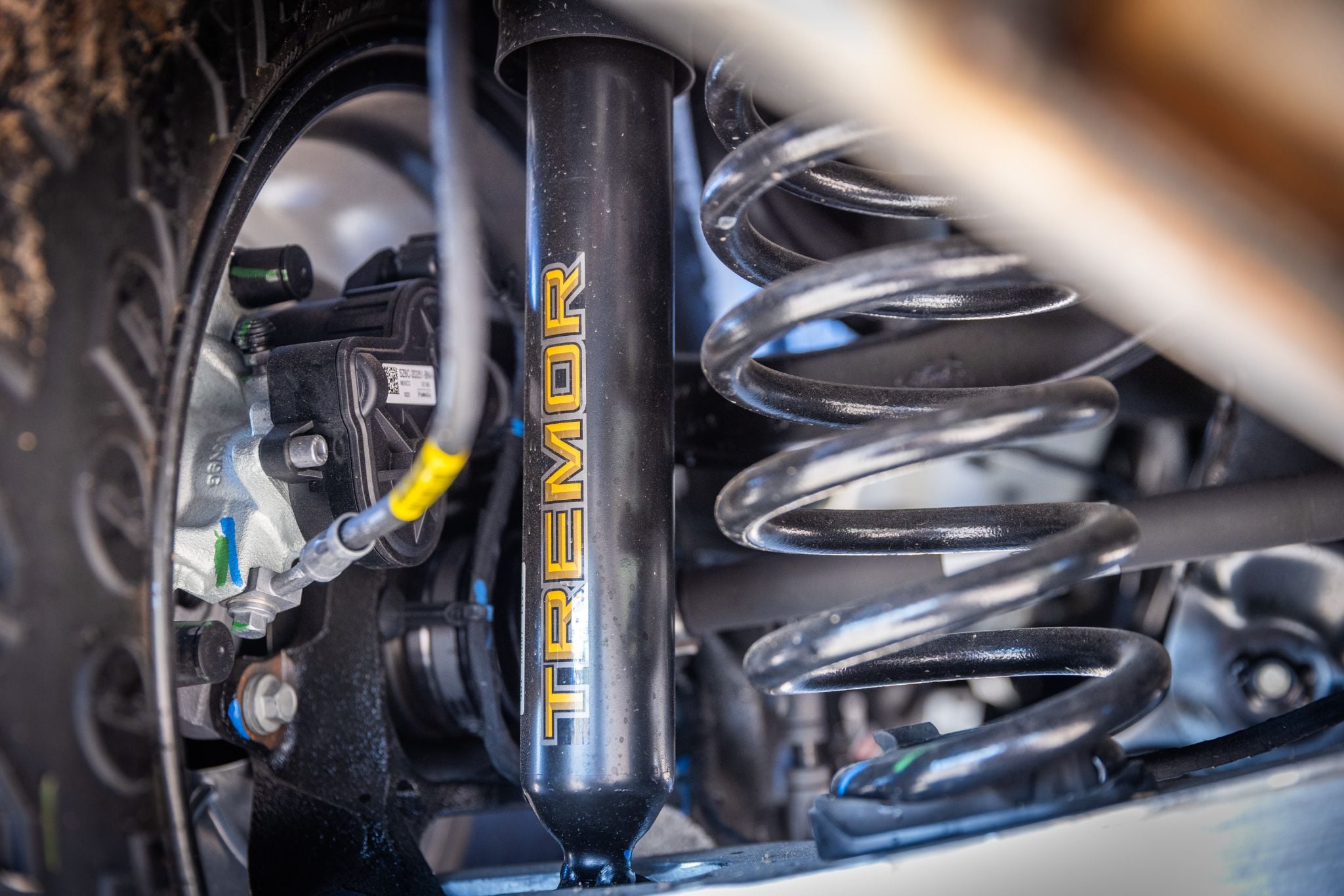
In general, it is not recommended to skimp on suspension parts. Shock absorbers are usually the most frequent target of miserly ones, as there are workshops that sell this reconditioned part.
It is even possible to recover a shock absorber, but doing it correctly and safely is almost as expensive as a new one. The service is only indicated for models where it is difficult to find the part.
A cheap reconditioned shock absorber is usually just made up to deceive the consumer. Using a bad one greatly impairs stability and can affect alignment, increasing tire wear.
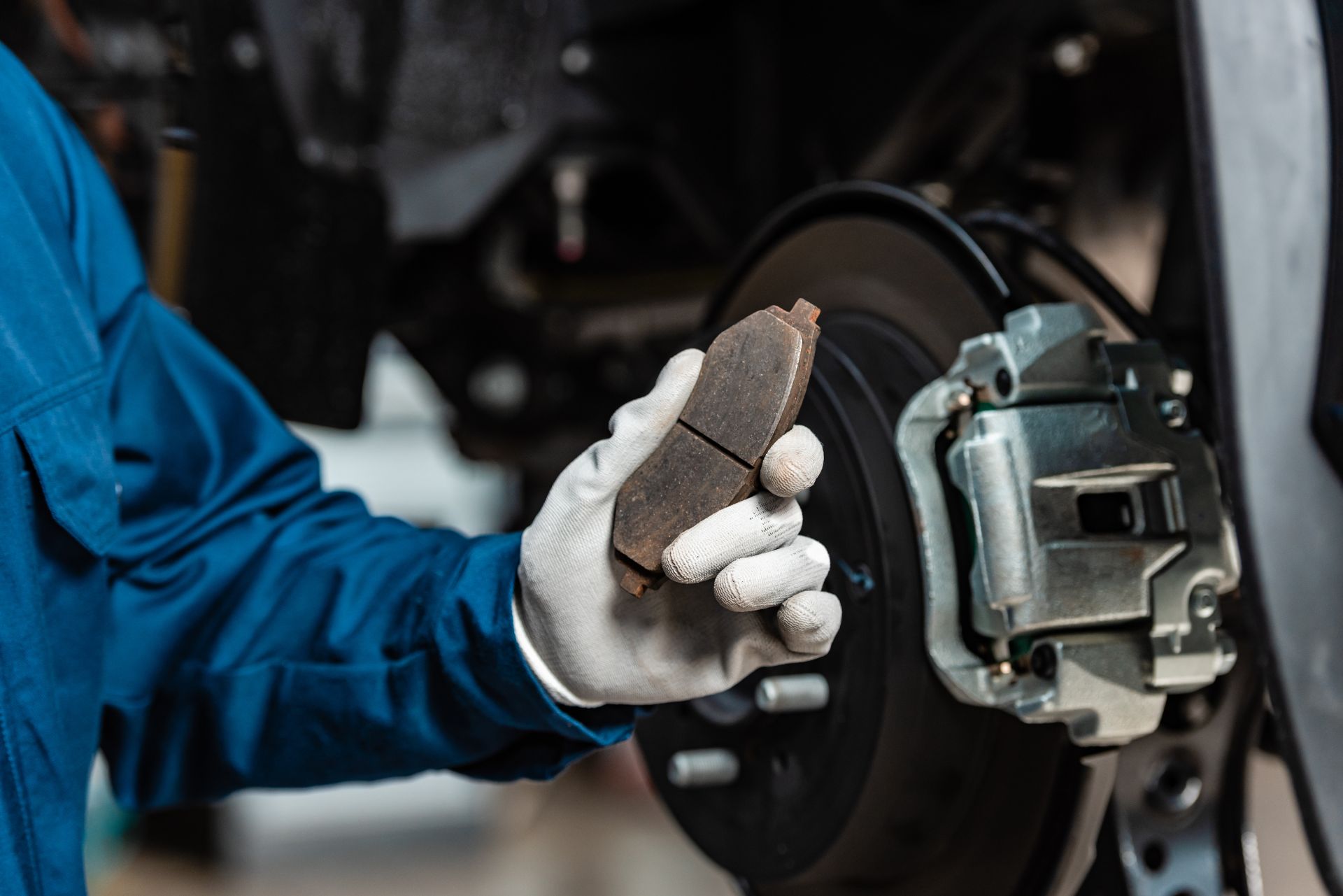
The brake is the main safety system of the car. When taking care of it, always use the best you have and always keep the parking brake adjusted for emergencies.
A good quality brake pad is more durable, heat-resistant, and will help stop the car in a shorter distance. Saving on this part can take the braking power out of the system and will also require more frequent changes.

Timing belt-timing engines are quite common. This solution has the advantage of being quieter and generating fewer mechanical losses than the metal chain, but it has the counterpart of lasting less. Usually between 30 and 80 thousand km depending on the use and the car model.
If possible, always change to the belt from the same supplier as the manufacturer. It is more guaranteed to last the period provided for in the manual. Otherwise, always look for traditional brands.
Using a cheap part here can mean less durability, running the risk of breaking and destroying your engine. Paying a little more here will avoid a complete rectification or a very costly repair.



