Survey reveals the "gold mine" of inspection in Washington, USA; City Hall defends the system citing drop in mortality
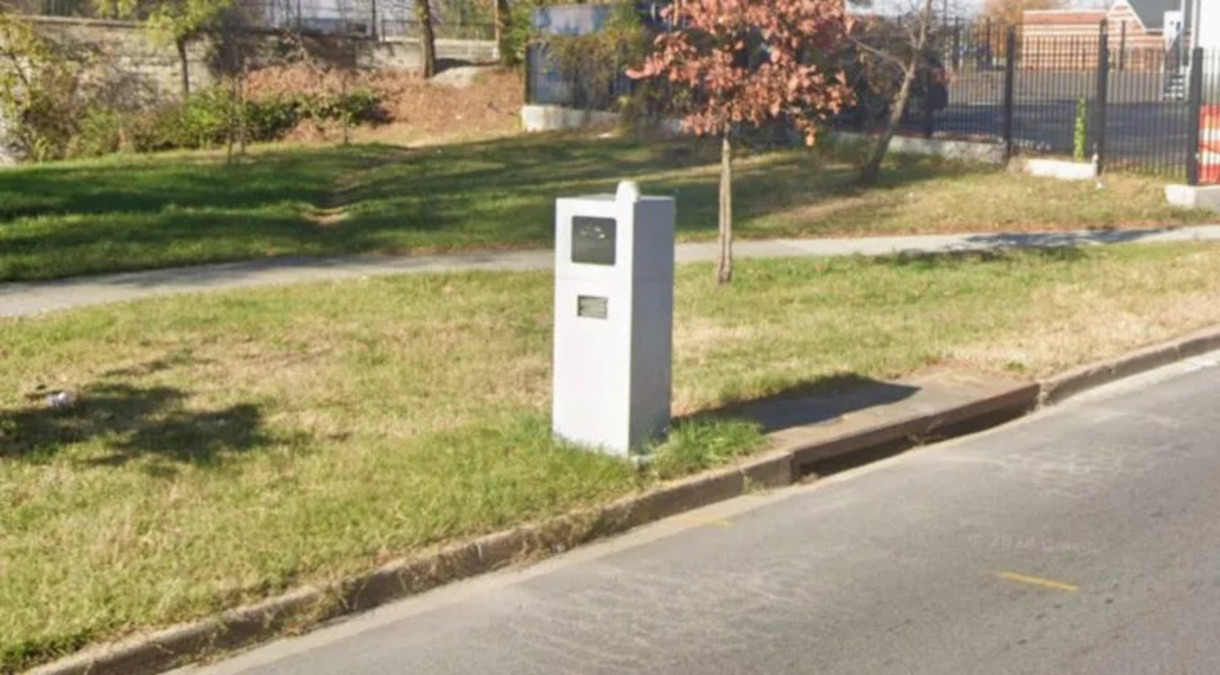
Electronic inspection in Washington (USA) has reached levels of collection that impress even the most experienced public managers. A single radar, strategically placed on the Potomac River Freeway, was responsible for issuing $9,179,249 (approximately R$ 51.4 million) in fines throughout 2023.
The data illustrates the financial weight of the monitoring network in the US capital, which today operates with 547 active devices. In total, the system generated revenue of US$ 267.3 million (about R$ 1.5 billion) last year.
SEE ALSO:
The survey points to a curious disparity: revenue is massively concentrated. Just 10 devices — less than 2% of the total installed equipment — raised about $65 million. This means that a quarter of the city’s entire fines come from a dozen specific points.
It is worth noting that the tolerance is not zero: speed violations are only recorded when the driver exceeds the limit by 11 miles per hour (approximately 18 km/h). To ensure payment, the city tightened the rules in 2024 with the “STEER Act”, allowing civil lawsuits against drivers with large accumulated debts, even if they reside in other states.
The mayor of the US capital, Muriel Bowser, defends the maintenance and expansion of the network, arguing that the system saves lives. According to official data, the number of traffic deaths fell to 52 in 2023, the lowest level in recent years, although it has fluctuated again.
Critics, however, point out that the city’s refusal to remove cameras — even after the Department of Transportation suggested eliminating some speed and traffic light points — indicates a budget dependency. For the opposition, the insistence on the current model prioritizes the balance of public accounts to the detriment of a real traffic education policy.



