


Electric or combustion? Research reveals which engine gives less workshop
While conventional hybrids are robust, plug-in models register 146% more problems than regular cars; see the ranking
By
Tom Schuenk
Published on 2026-01-28 at 09:00 AM
Updated on 2026-02-02 at 09:16 AM
Published on 2026-01-28 at 09:00 AM
Updated on 2026-02-02 at 09:16 AM
Be the first to comment.
Summarize with:
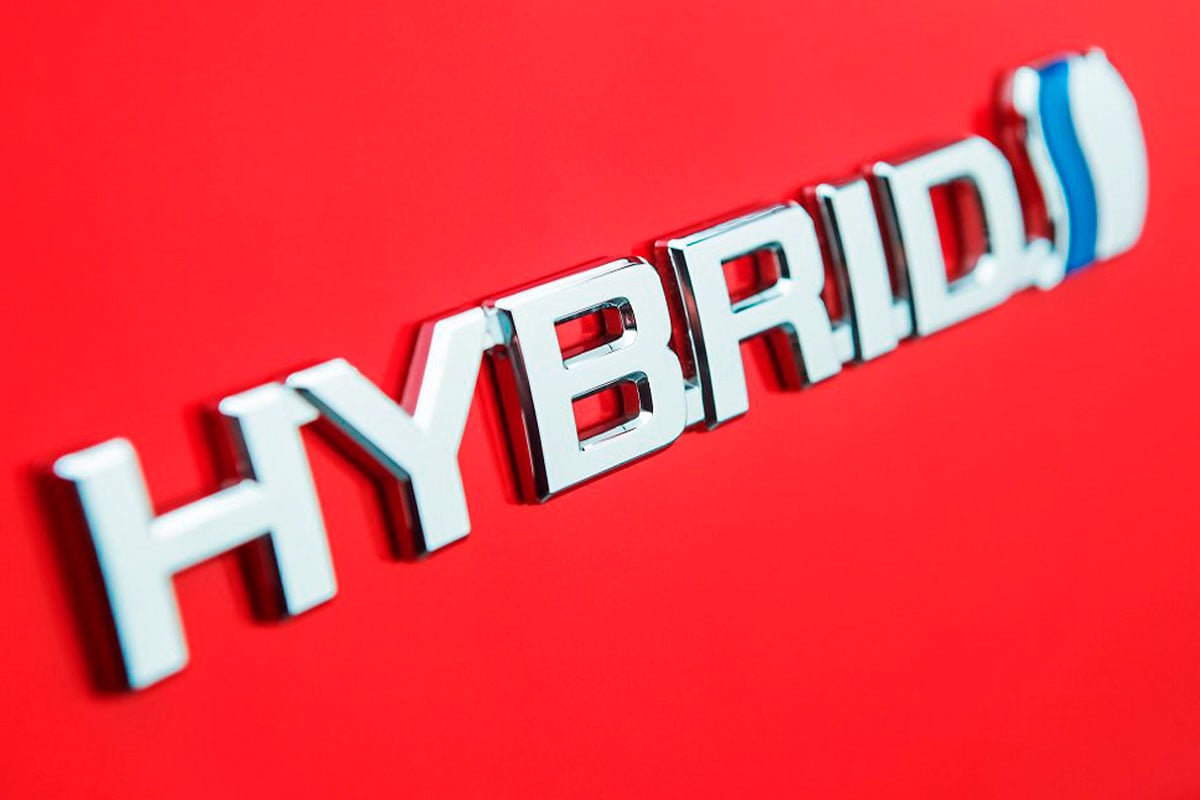
In the opposite direction to the race for total electrification, conventional hybrid cars (HEVs) have consolidated themselves as the safest option for those looking for durability. Consumer Reports‘ traditional reliability survey, based on data from more than 330,000 vehicles, points out that these models have 26% fewer problems than cars powered only by gasoline. The result puts the technology ahead of both thermal and purely electric engines.
The scenario is the opposite for new technologies: 100% electric vehicles (BEVs) register 79% more failures than combustion models, while plug-in hybrids (PHEVs) have the worst average: 146% more reported problems.
SEE ALSO:
- BMW X9? Dealers already think the X7 is small and ask for an even more expensive SUV for sale
- Porsche celebrates 20 years of the movie ‘Cars’ with action at the 24 Hours of Daytona
- Volvo ES90 debuts in 2026 as the brand’s most technological and expensive car in Brazil
Mechanical complexity and growing pains
The disparity in numbers reflects the maturity of engineering. While conventional hybrids benefit from decades of improvement (led by Toyota and Honda), electric hybrids face “growing pains” with new battery and motor technologies. PHEVs, on the other hand, suffer from excessive complexity, uniting the worst of two mechanical worlds susceptible to failure.
The analysis highlights different situations among the automakers:
- Tesla: presents evolution in the powertrain, with the Model Y being recommended. However, the build quality of the body and the launch of the Cybertruck still pull the average down.
- German: BMW and Audi show good results with their electric cars, such as the i4 and Q4 e-tron, suggesting that traditional manufacturers are better adapting their quality standards.
- Korean: Hyundai, Kia and Genesis face specific technical obstacles, such as failures in the Integrated Charging Control Unit (ICCU) — a critical part that has caused recharging problems.
The study concludes that, although the industry is moving towards electric, consumers focused on short-term reliability still find the conventional hybrid — technologically more stable — the best cost-benefit of maintenance.
SEE MORE ABOUT

0 Comments
Comments are the sole responsibility of their authors and do not represent the opinion of this site. Comments containing profanity or offensive language will not be published. If you identify anything that violates the terms of use, please report it.