Study details how the technology and size of modern vehicles have turned driving at night into a safety challenge
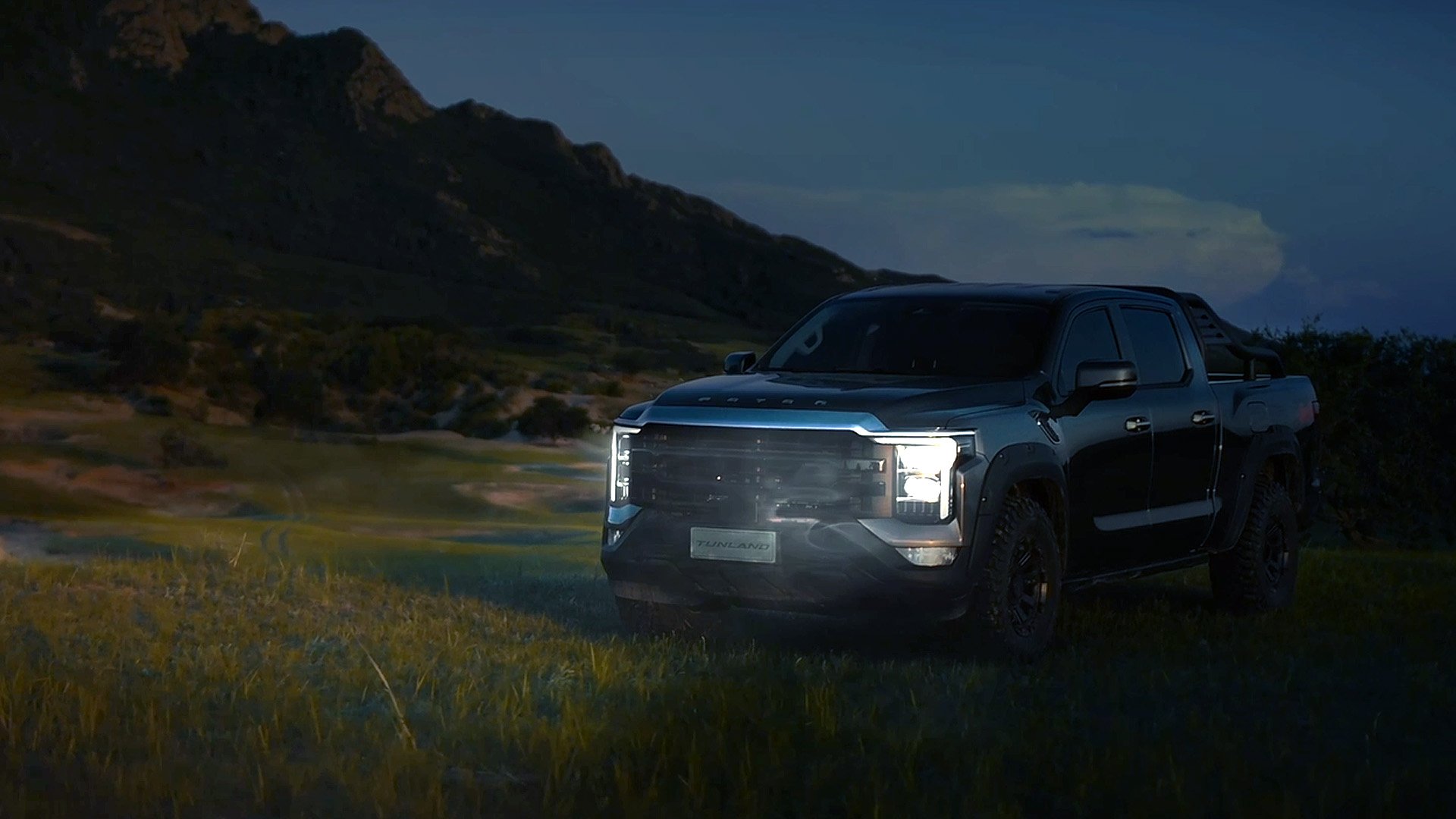
Technological advances in automotive lighting, marked by the hegemony of LED headlights, have brought a critical side effect to road safety: glare. According to a survey by the AAA (American Automobile Association), six out of ten drivers report habitual difficulties with the excessive brightness of other vehicles, while 73% of respondents say that the situation has worsened significantly in the last decade.
For Greg Brannon, director of automotive engineering and research at the entity, the discomfort transcends the aesthetic discomfort. The phenomenon is driven by a combination of the intense white light of the LEDs and the change in the profile of the fleet. With SUVs and pickup trucks getting taller and taller, light locks end up projected directly into the line of sight of those who drive low vehicles, such as sedans and hatches.
SEE ALSO:
The survey, conducted in February 2026 with 1,092 drivers in the United States, reveals that 92% of complaints fall on the headlights of oncoming vehicles. Specific groups demonstrate greater vulnerability: women and spectacle wearers report 70% of discomfort, compared to lower averages among men (57%) and people who do not use corrective lenses (56%). Interestingly, pickup truck drivers feel the impact less (41%), protected by the elevated position of their own vehicles.
The impasse also has regulatory contours. Technologies such as adaptive headlights (ADB), which “cut” the beam of light so as not to blind other drivers, still face homologation barriers in markets such as the North American due to outdated standards, such as FMVSS 108. While automakers such as Audi and Rivian are looking for software solutions, the recommendation for the average driver is to keep the headlight lenses clean and avoid looking directly at the opposing lights, using the lanes of the lane as a visual guide.



