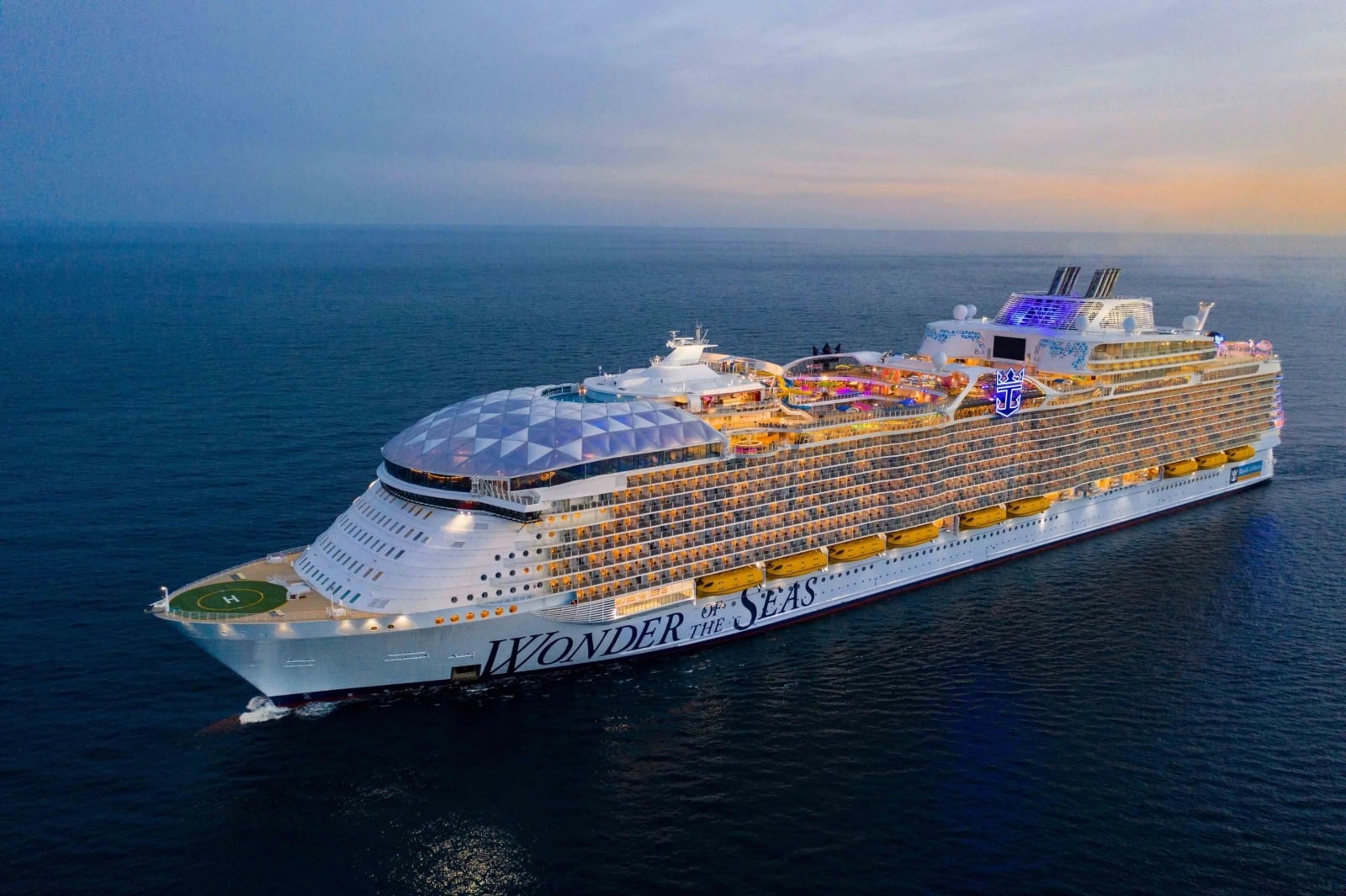
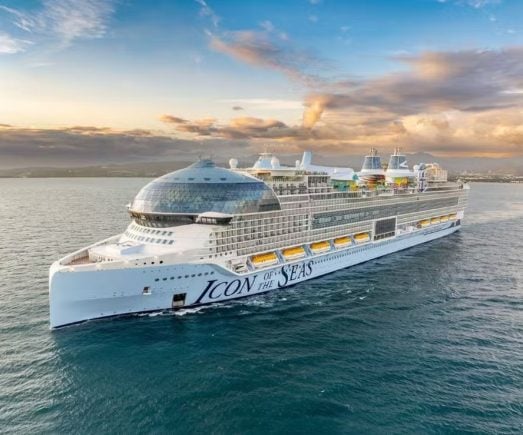
Large cruise ship engineering faces a fundamental physical challenge: the density of water, which is about 800 times higher than that of air. To move tourist cruises, true floating cities under this resistance, the industry still prioritizes the diesel engine due to its high energy density and ability to generate constant torque. The choice ensures the economic viability of transatlantic routes, balancing fuel consumption with the need to overcome permanent frictional forces and hydrodynamic pressure.
Interestingly, more and more modern ships operate with a diesel-electric hybrid system. In this configuration, internal combustion engines do not rotate the propeller shaft directly; They act as large generators of electricity. That power powers electric propulsion motors — often installed in rotating units called azipods — and supplies the vessel’s vast internal electrical demand, which includes everything from air conditioning systems to industrial kitchens.
To optimize efficiency and reduce vibrations, the sector uses four-stroke, medium-revving engines. Unlike two-stroke engines, which are common in large cargo ships, these thrusters are technically cleaner and more flexible, allowing the crew to turn units on or off as the cargo needs required by the navigation or floating hotel.
Energy transition and environmental standards
Despite the dependence on diesel, stricter environmental regulations, such as those of the International Maritime Organization (IMO), have forced the abandonment of heavy fuel oil. Currently, the priority falls on low-sulfur Marine Diesel Oil (MDO) and Liquefied Natural Gas (LNG), which drastically reduces emissions of nitrogen oxides (NOx) and sulfur (SOx). Although technologies such as ammonia or hydrogen-powered engines are in the development stage for the cargo sector, the cruise industry sees LNG as the most viable bridge to decarbonization in the short term.
Comments are the sole responsibility of their authors and do not represent the opinion of this site. Comments containing profanity or offensive language will not be published. If you identify anything that violates the terms of use, please report it.