

Waze starts alerting drivers about school areas on federal highways
With a focus on accident prevention, new functionality crosses data from DNIT and PRF to issue visual and audible notifications
By
Julia Vargas
Published on 2026-08-05 at 03:00 PM
Updated on 2026-08-06 at 06:24 AM
Published on 2026-08-05 at 03:00 PM
Updated on 2026-08-06 at 06:24 AM
Be the first to comment.
Summarize with:
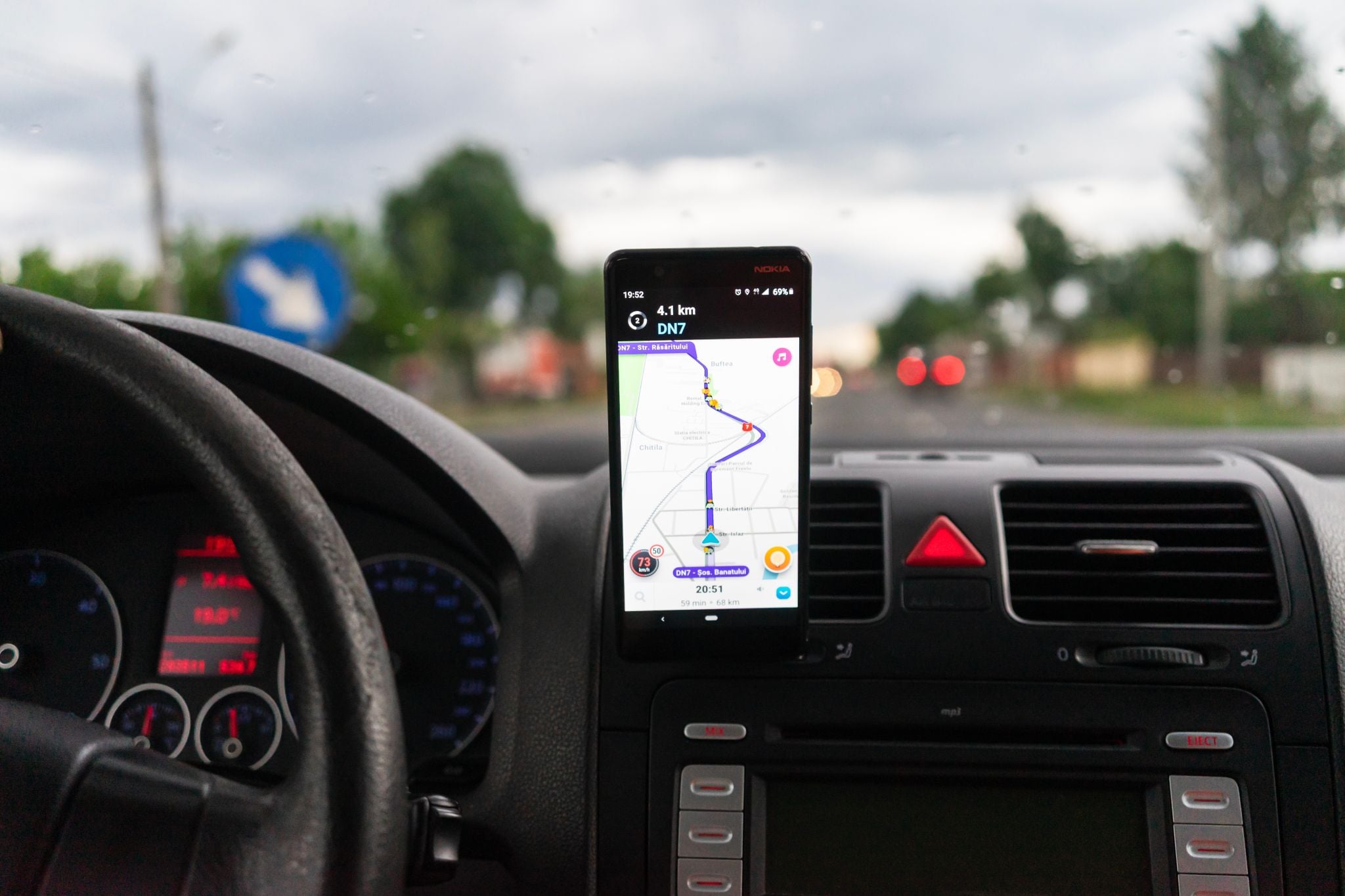
The navigation app Waze started to issue automatic alerts to warn drivers about the proximity of schools located on the sides of federal highways (BRs). The novelty is the result of a partnership with the National Department of Transport Infrastructure (DNIT) with the objective of reducing the speed at the times of entry and exit of students, increasing safety in these areas.
The functionality is part of the Waze for Cities program and uses the crossing of geolocation data from institutions with accident statistics from the Federal Highway Police (PRF). With this, the system identifies critical stretches and sends audible and visual warnings before the vehicle reaches the school perimeter.
SEE ALSO:
- Why is the speed on Waze different from the one shown on the car’s dashboard?
- Inclusion of municipality on the plaque serves no purpose, only to cause damage to the owner
- Waze expands features and starts warning about speed change and emergency vehicles
Waze for Cities project reach and expansion
In this first phase, the monitoring includes 279 schools of the DNIT Connection program, distributed across 98 Brazilian municipalities. The federal government’s goal is to expand the mapping gradually, including new public and private units. In addition, the survey will serve as a basis for future physical engineering interventions, such as:
- Implementation of pedestrian walkways;
- Reinforcement of signage and public lighting;
- Installation of speed bumps and speed bumps.
Impact on cargo transport and road safetyThe measure was positively evaluated by representatives of the transport sector, especially for the impact on heavy vehicle traffic. Road transport is responsible for about 65% of cargo handling in Brazil, which requires high predictability on the roads.
According to José Ronaldo Marques da Silva (Boizinho), president of the National Union of Storks (Sinaceg), the anticipation of information is decisive for those who drive trucks and trailers.
“Anyone who drives a large vehicle always needs to work in advance. In many stretches, the movement of students is only noticed when the truck is already very close to the school. Prior notice allows you to reduce speed progressively, without sudden maneuvers”, highlights Boizinho.
The entity considers, however, that digital resources act as allies, but do not replace physical improvements in infrastructure, such as walkways, adequate lighting and ostensive inspection.
For the regional director of Sinaceg, Márcio Galdino, the tool favors especially professional drivers on long-distance trips. Prior notification allows you to adjust the driving without compromising the vehicle’s stability, reducing the risks of serious accidents involving pedestrians and other cars.
SEE MORE ABOUT

0 Comments
Comments are the sole responsibility of their authors and do not represent the opinion of this site. Comments containing profanity or offensive language will not be published. If you identify anything that violates the terms of use, please report it.