Crisis hits Dubai port, main distribution center for brands such as BYD and Chery; Detours through alternative routes increase deadlines by 15 days
The escalation in the war between Iran, the United States and Israel has raised a critical warning for the Chinese auto industry, disrupting key export routes to Europe, Africa and the Persian Gulf. The impact is severe due to Dubai’s central role as the main “forward warehouse” for automakers such as BYD and Chery, which use the region to redistribute vehicles globally. The emirate’s outflow route, the Strait of Hormuz, is blocked by the Iranian navy.
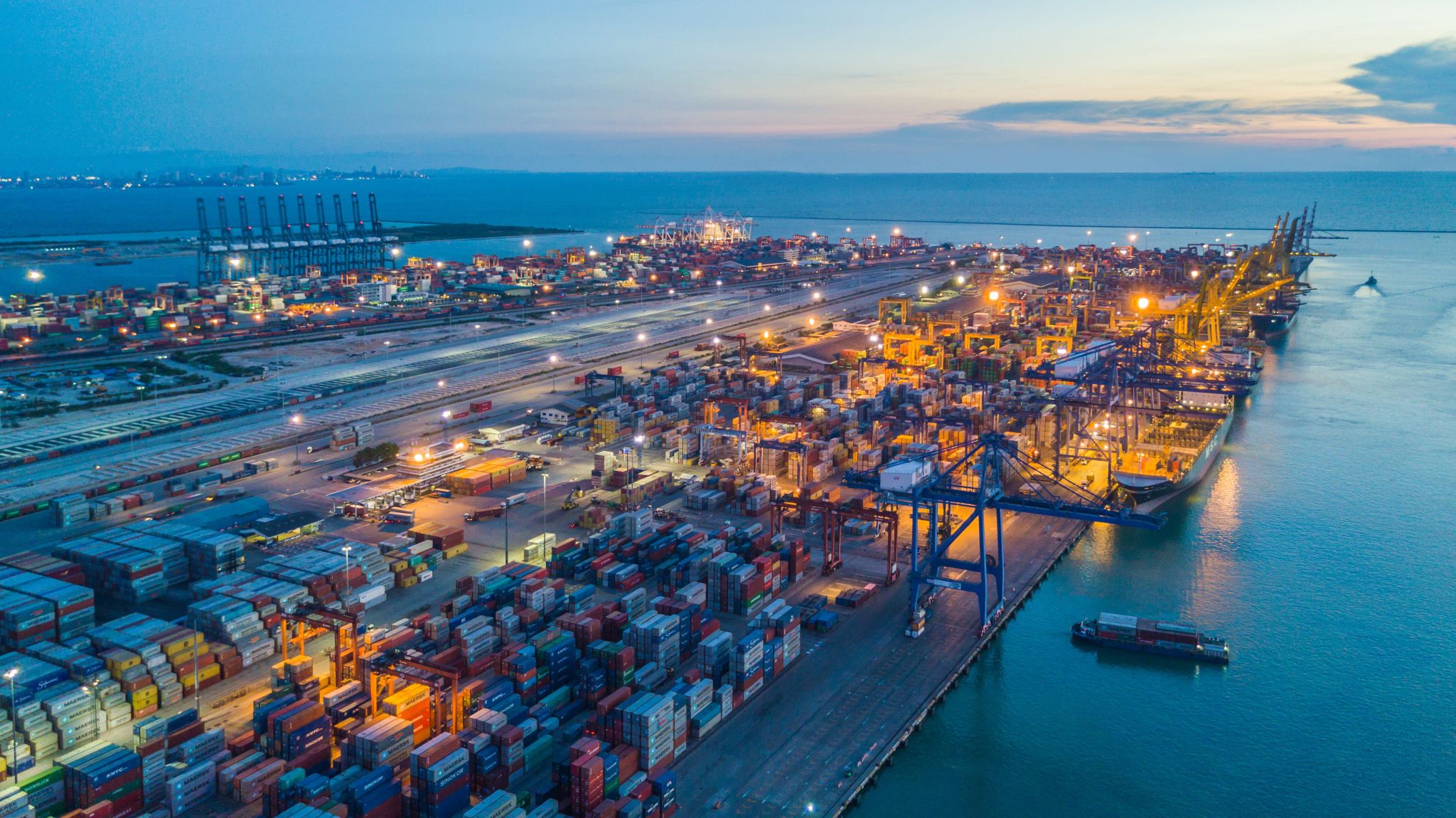
The worsening crisis has hit the port of Jebel Ali in Dubai, the tenth busiest in the world. Recent attacks in the port area have paralyzed transshipment operations, making strategic terminals practically idle. Faced with the scenario of insecurity, the main shipping companies suspended services, freezing the flow of goods indefinitely.
SEE ALSO:
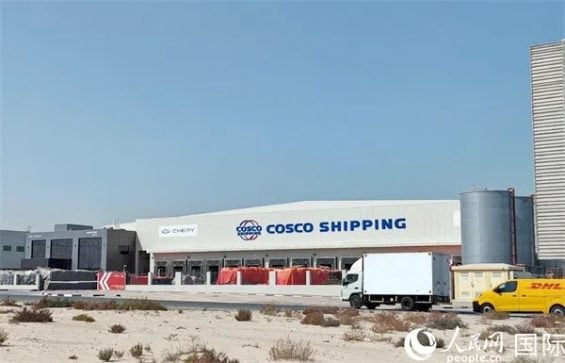
The relevance of the United Arab Emirates to China is significant: in 2025, the country received 567 thousand Chinese vehicles, but the vast majority of this volume was destined for re-export to neighboring nations and North Africa. Large-scale investments, such as Chery’s 45,000-square-meter terminal in partnership with Cosco, are now facing unprecedented operational paralysis.
In addition to the stoppage in direct markets such as Iran, the problem reverberates in Europe, the destination of 1.3 million Chinese cars last year. With the Red Sea and the Suez Canal at high risk, ships are being diverted through the Cape of Good Hope in Africa. The new route adds up to 15 days to travel time and dramatically increases freight costs. The logistical bottleneck is expected to force a downward revision of China’s ambitious export targets for 2026.



