Fuel price escalation came after Donald Trump attacked Iran; As the war drags on, more Americans become interested in electric cars
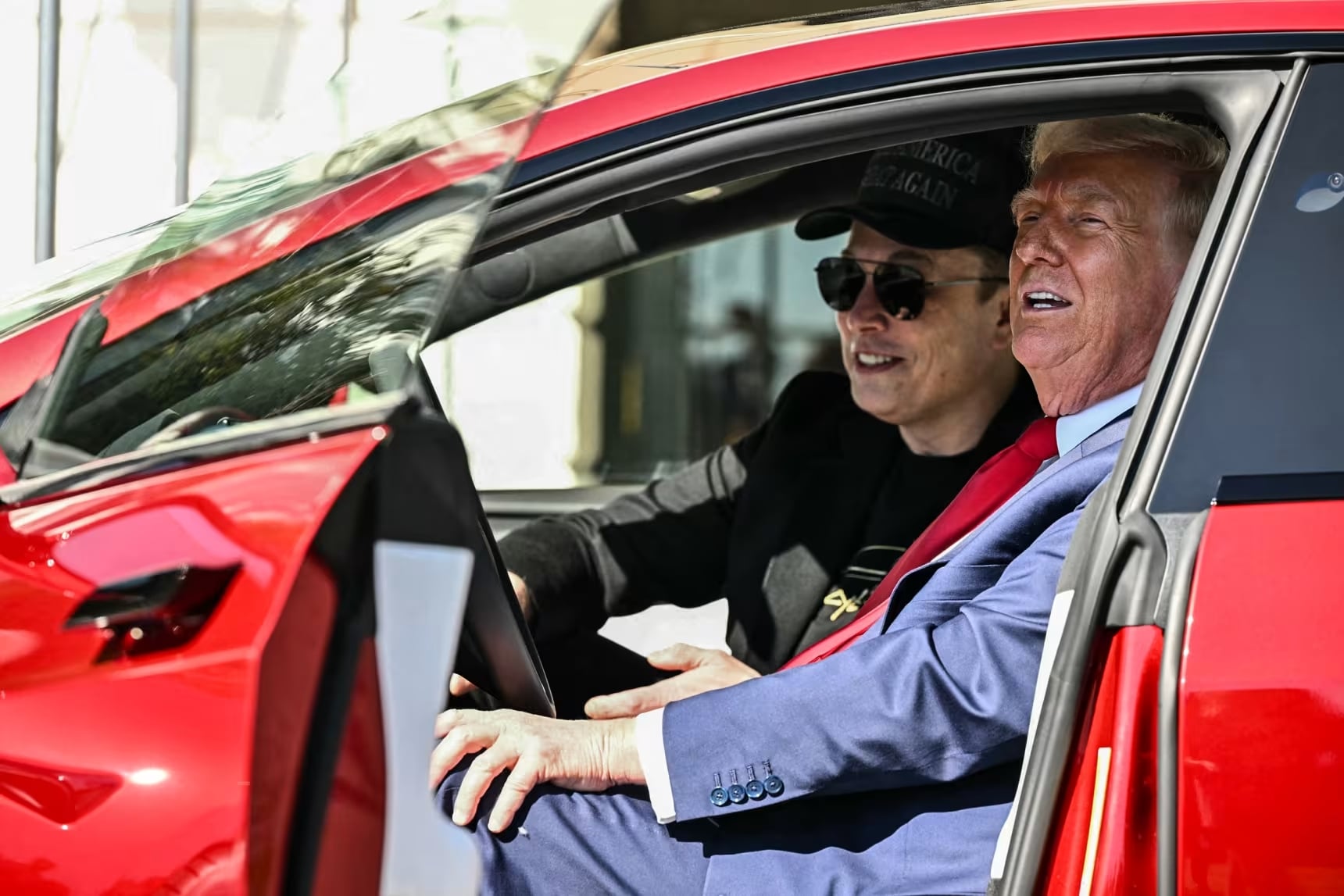
After a period of uncertainty in the US market, the electric vehicle sector showed signs of vigor in the first quarter of 2026. Tesla, the leader in the segment, recorded growth in global deliveries, driven mainly by the new escalation in fossil fuel prices, which has once again changed consumption priorities in the United States.
The positive performance contrasts with the recent end of federal tax incentives, which reduced the cost of models by up to US$ 7,500. Although the withdrawal of the benefit initially slowed down sales, the increase in the price of gasoline served as a reverse catalyst, encouraging drivers to seek alternatives with lower running costs.
This has been happening since the beginning of last month, when the United States and Israel attacked Iran, in a war that took place in the closure of the Strait of Hormuz, through which 20% of all the oil on the planet flows.
SEE ALSO:
Analysts point out that, although the energy transition is not linear, the correlation between costs at the pump and interest in electrified vehicles has become evident in recent months. In addition to Tesla, other brands reap results: Hyundai saw demand for the Ioniq 5 rise, while Kia expanded its volume of electric vehicles in the period. At General Motors, the luxury division Cadillac has made strides in electrification, balancing the decline in the company’s conventional models.
The current scenario also favors hybrids, a niche dominated by Toyota and Honda, while giants such as Ford and Stellantis still face the challenge of reducing dependence on combustion-powered pickup trucks and large SUVs.
Despite the uptrend, the entry price remains the main barrier. To get around the high values of zero-kilometers, the used car market has become an escape valve. According to data from Cox Automotive, the sale of used electric vehicles grew significantly at the beginning of the year, consolidating a greater cultural and technological acceptance of these vehicles, in a movement that is close to the maturity observed in the European market.



