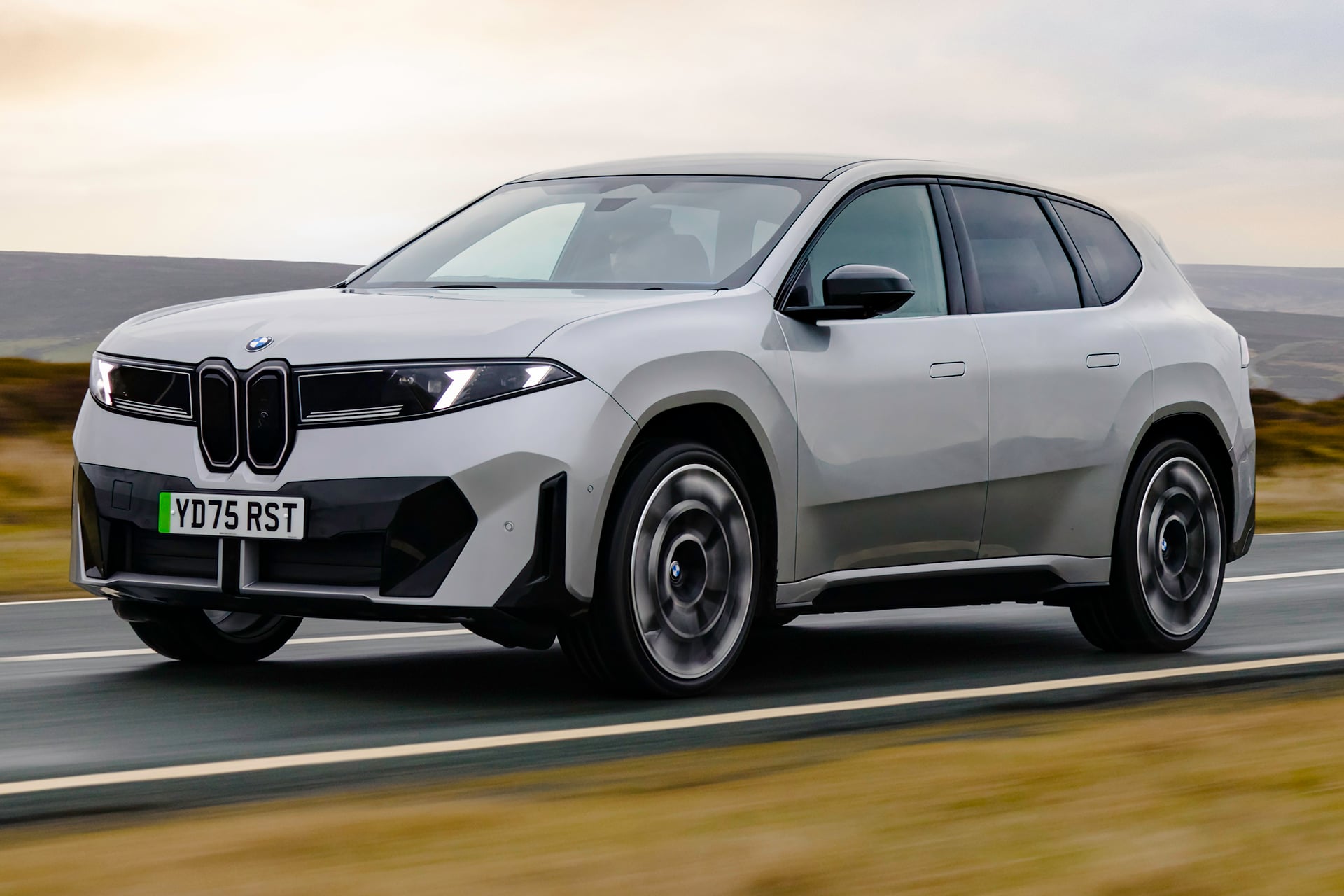
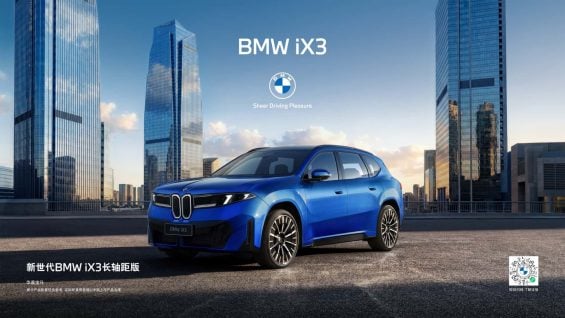
To comply with new safety standards in China, BMW has made a functional change to the new iX3 before its official debut. The electric SUV has ditched retractable door handles in favor of a conventional vertical opening system. The decision anticipates the regulation that will come into force in 2027 in the country, prohibiting the built-in design to facilitate the rescue of occupants in the event of accidents.
Although models already homologated have until 2029 to adapt, BMW chose to implement the change, inherited from the combustion X3, at the launch of the elongated wheelbase version.
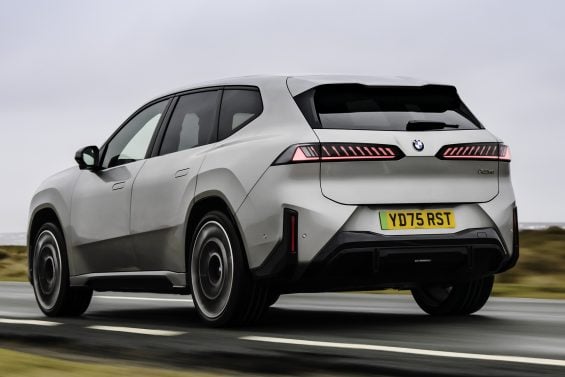
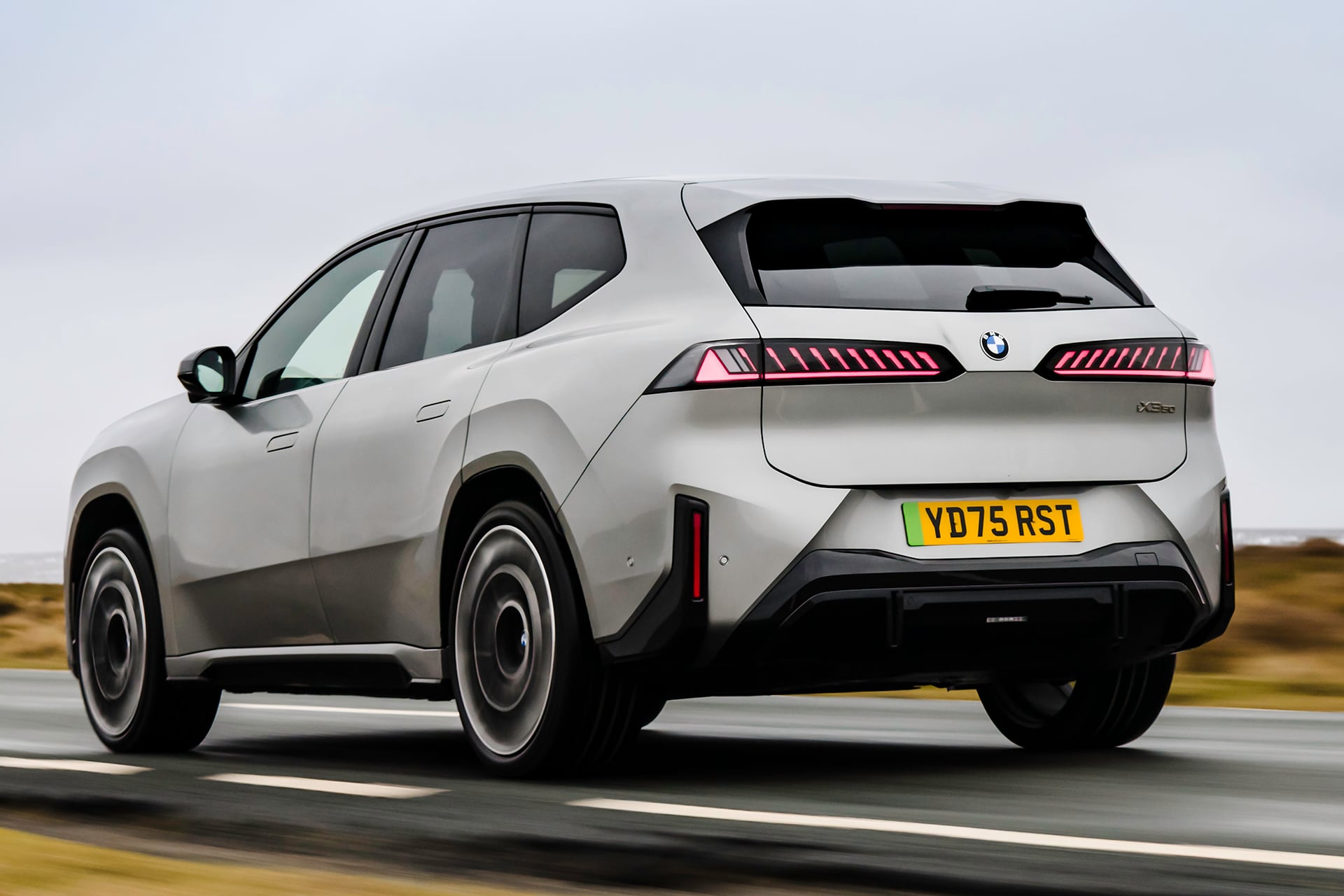
Unlike the global project, the Chinese iX3 prioritizes interior space, with a wheelbase 10.8 centimeters larger, totaling 3.01 m. The change results in longer rear doors and an expanded glazed area. The SUV also features a new roof spoiler that integrates the central camera of the driver assistance systems (ADAS). The resources were developed with the local company Momenta to meet the particularities of Asian transit.
Performance and ultra-fast charging
The model debuts in the iX3 50 xDrive version, with two engines that add up to 470 hp. According to the local CLTC cycle, the estimated range exceeds 900 kilometers. The electric architecture supports charging up to 400 kW, allowing you to raise the battery from 10% to 80% in 21 minutes, or add 400 km of range in 10 minutes.
The first public appearance takes place at the Beijing Motor Show on April 24, 2026. Deliveries are scheduled for the second half of the year in China and neighboring markets such as India and Thailand.
Comments are the sole responsibility of their authors and do not represent the opinion of this site. Comments containing profanity or offensive language will not be published. If you identify anything that violates the terms of use, please report it.