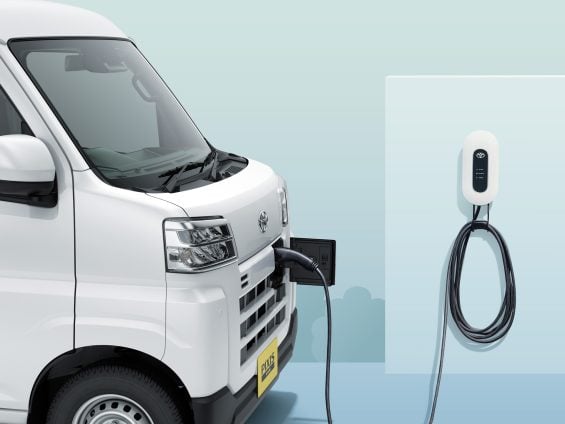
Pixis Van uses shared platform with Suzuki and Daihatsu to dominate "last mile" logistics in cities with narrow streets

In Japan, the “kei cars” segment — the traditional local minicars — enters a phase of expansion driven by full electrification, which has become a priority for automakers to the detriment of hybrid systems. This movement is particularly visible in the service sector, where the Toyota Pixis Van emerges as one of the symbols of the energy transition in short-distance commercial transport.
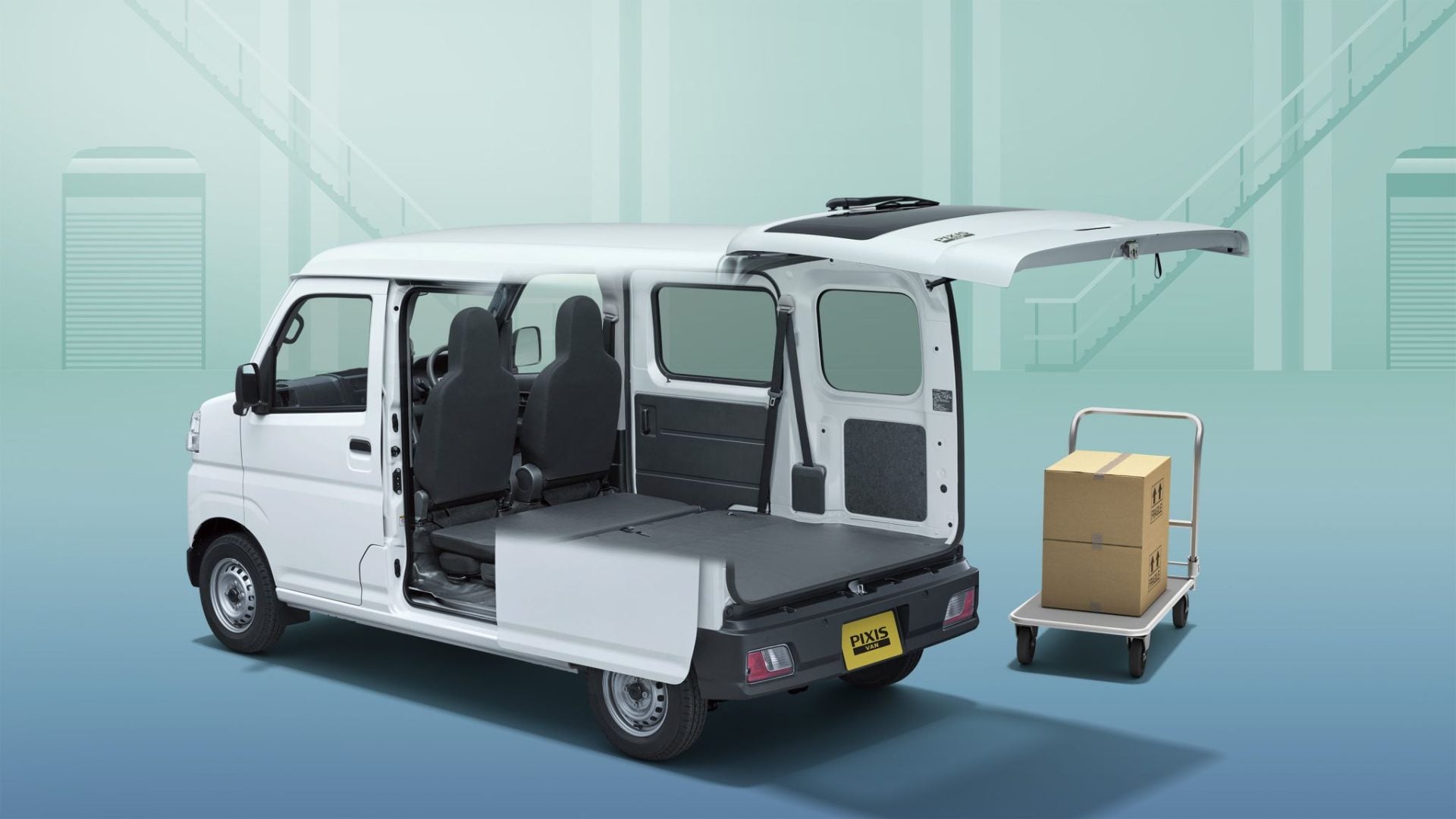
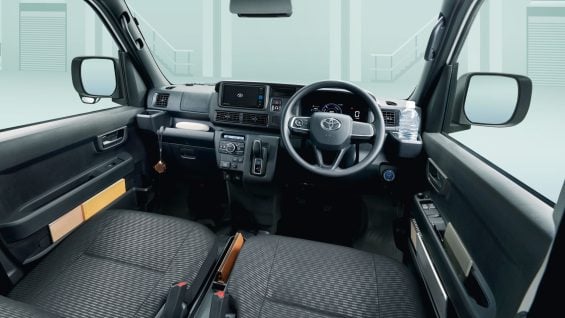
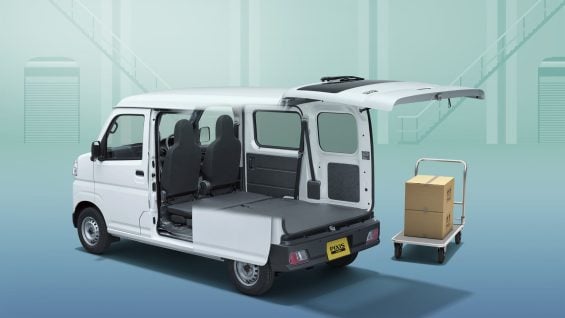
Designed for urban logistics and the daily commute of workers, the Pixis Van has gained an all-electric version that allows zero-emission operations. The model balances small dimensions with an intelligent internal architecture, facilitated by the wide access of the sliding side doors, essential for traffic on dense roads.
SEE ALSO:
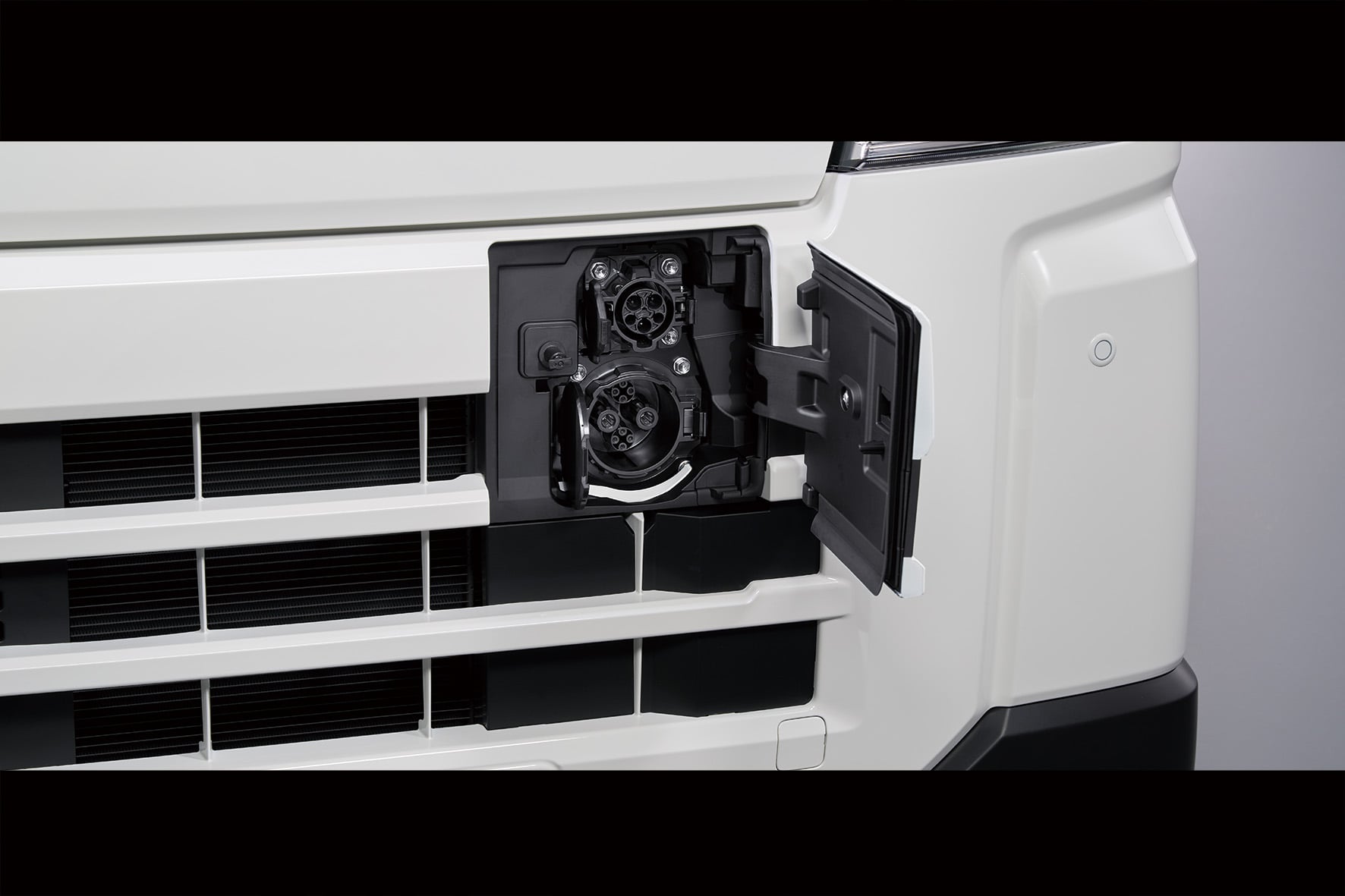
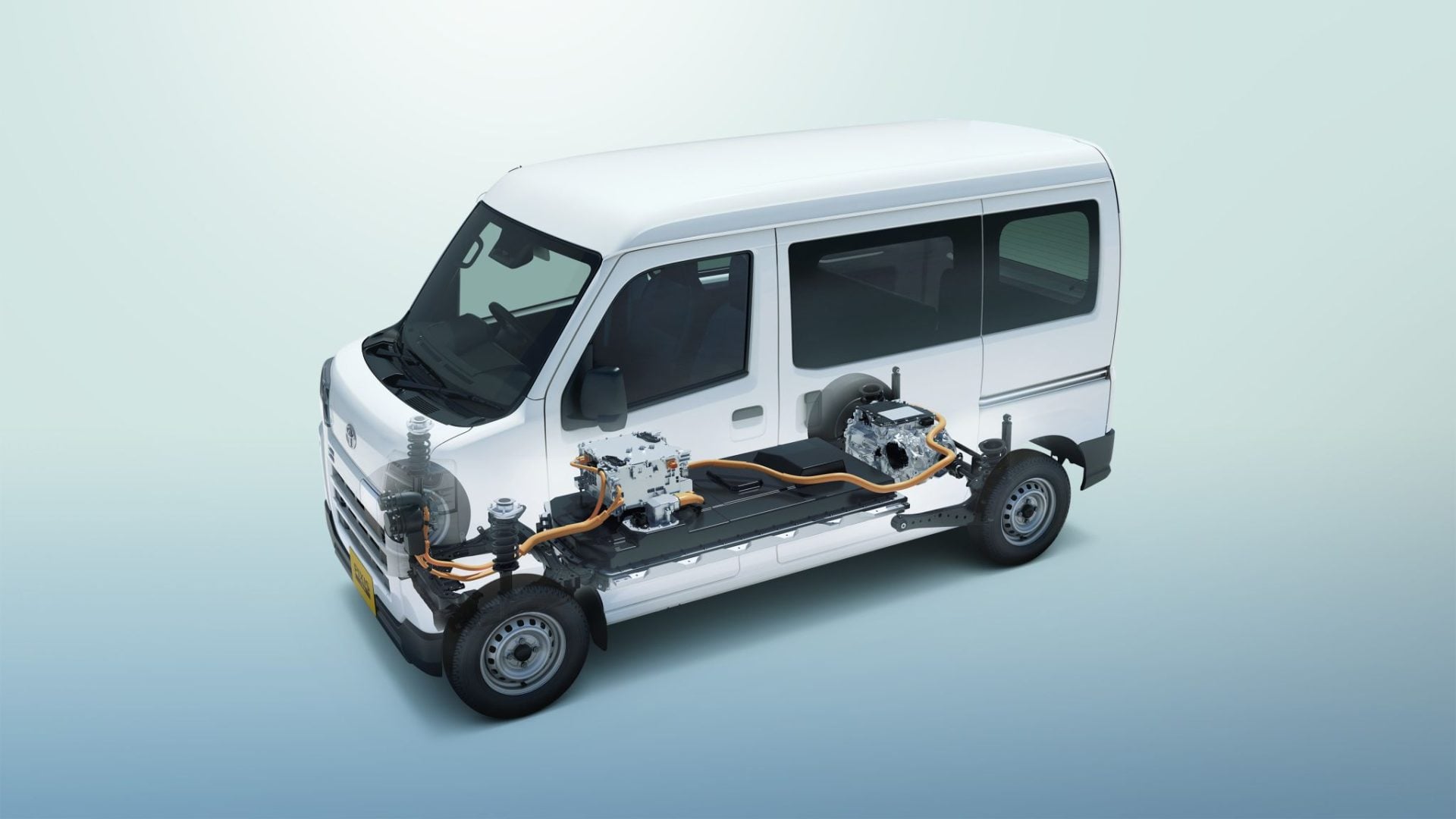
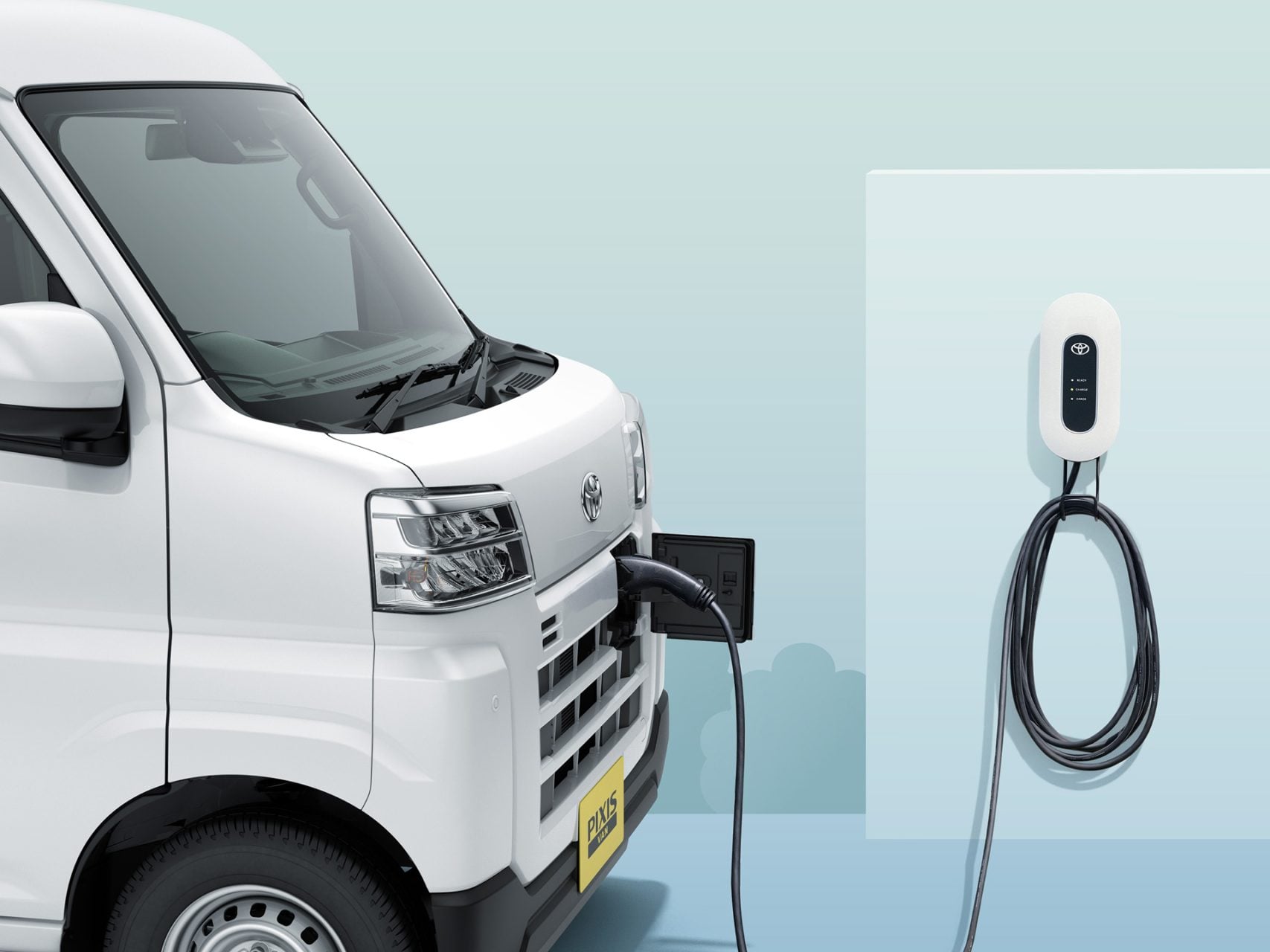
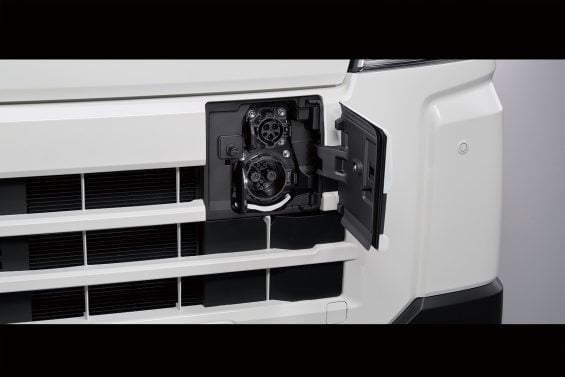
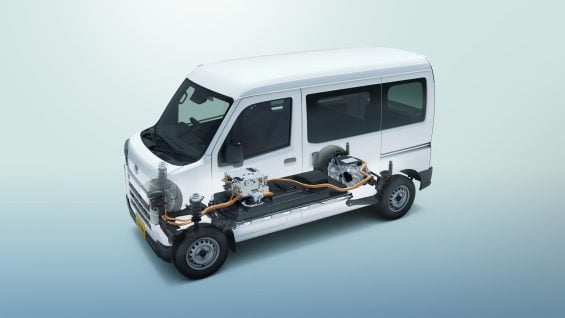
Technically, the van uses a rear electric motor powered by lithium batteries positioned under the floor. Engineering positioned the power control system just below the driver’s seat, freeing up the front compartment for additional load. In the Japanese cycle, the range reaches 257 km — enough to meet the demands of “last mile” logistics and corporate fleets.
The project is the result of a strategic collaboration between Toyota, Suzuki and Daihatsu. Technology sharing aims to reduce costs in a vital niche: light commercial vehicles account for about 60% of the service fleet in Japan. The operational planning of the model also has the support of Commercial Japan Partnership Technologies (CJPT), which works in the optimization of routes and the energy efficiency of the fleet, consolidating Pixis as a practical solution for urban saturation.