

The breach that kept clandestine gas stations refueling for years in São Paulo
Joint operation targets irregular schemes, suspends mass tax registrations and reopens the debate on the need for new laws to shield the sector
By
João Paulo Profeta
Published on 2026-08-31 at 11:00 AM
Published on 2026-08-31 at 11:00 AM
Be the first to comment.
Summarize with:
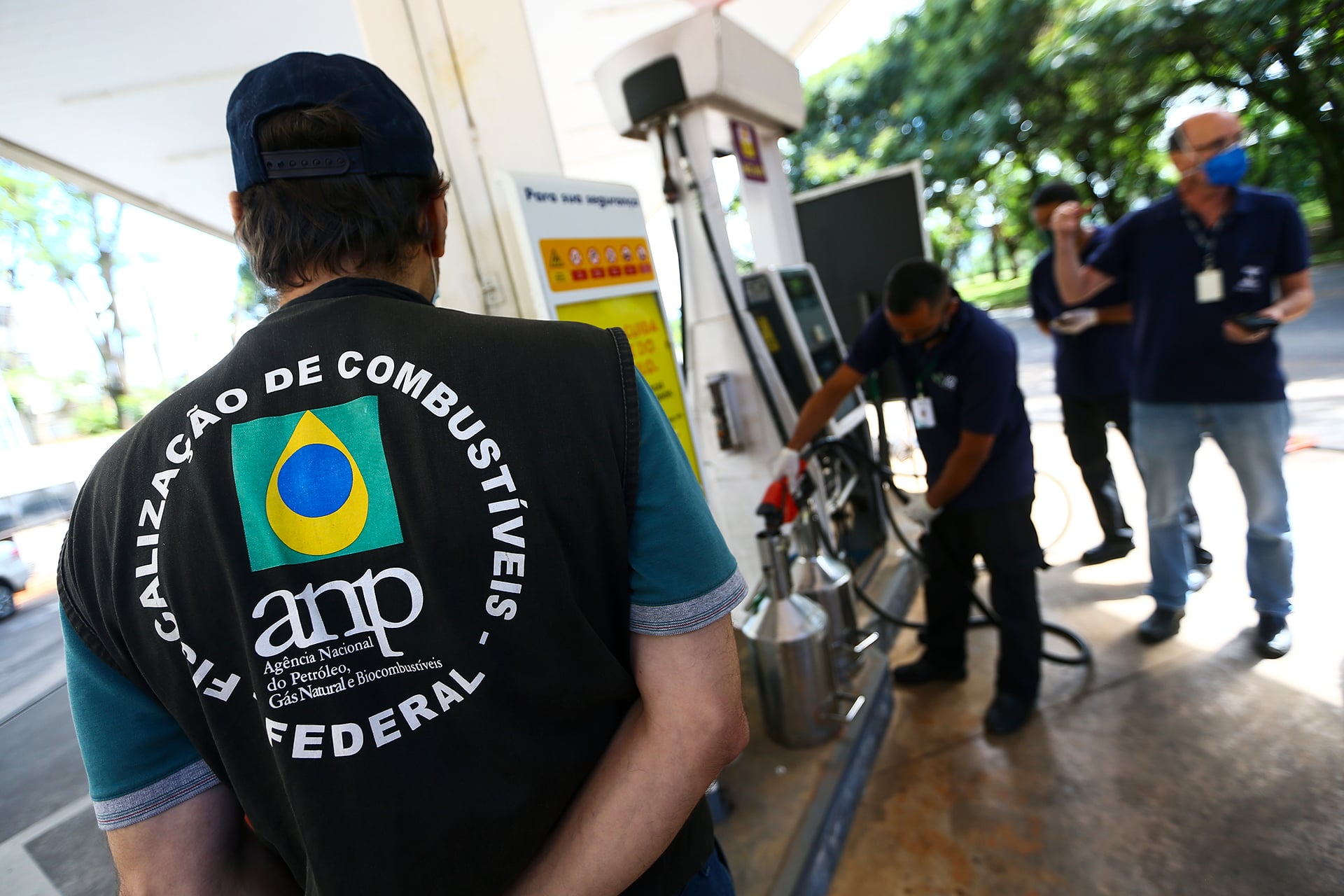
Six gas stations were sealed in the city of São Paulo on Friday (28) by a task force that brought together the Federal Revenue Service, Sefaz-SP, ANP, Civil Police and the state and federal prosecutors’ offices. Operation Hidden Bomb also made 1,283 CNPJs and 228 state registrations linked to the sector unfit across the country.
Ineptitude is not a bureaucratic detail: it blocks the establishment’s bank accounts and prevents the issuance of electronic invoices. Without a note, the station does not buy fuel from a distributor. About 60 servers participated in the sealings in Greater São Paulo, with the support of the Police Department for the Protection of Citizenship.
The breach: 10 thousand stations without authorization, but with a live
CNPJ The target of the operation is a failure that the sector knows closely. Since 2019, the ANP has revoked the operating authorization of more than 10 thousand stations in Brazil. Losing the authorization should end the activity, but the CNPJ of these companies was still active at the Federal Revenue Service. With the registration in order, many continued to buy, resell, issue invoices and dispute customers on the same corner as those who pay taxes.
What Bomba Oculta did, in practice, was to synchronize two registrations that never talked to each other. In São Paulo, adding the 228 registrations of this stage to the 682 already suspended by Sefaz-SP, the state reaches 910 state registrations of blocked posts.
The action is an offshoot of Operation Hidden Carbon, which completed one year exactly on the 28th and revealed the PCC’s infiltration of the national fuel chain. According to the agencies participating in the investigation, the pulverization of the sector, with more than 130 thousand agents, facilitated the use of companies to hide illicit resources.
How the driver can protect
himself Before filling up, it is possible to check for free if the station has valid authorization. The ANP Web Station Consultation, available on the agency’s website and app, allows you to search for the dealer, issue the establishment’s certificate and verify that the document is authentic.
For the Legal Fuel Institute (ICL), the integrated task force model is the way, but it is still incomplete. “It is not enough to seal an establishment or cancel an authorization if there are loopholes,” said the entity’s president, Emerson Kapaz, in a statement, for whom only the integration of tax, registration and regulatory information interrupts recidivism.
The entity demands that Congress move forward in approving bills 109, 399 and 1482, considered by the sector essential to transform punctual repression into permanent policy.
SEE MORE ABOUT

0 Comments
Comments are the sole responsibility of their authors and do not represent the opinion of this site. Comments containing profanity or offensive language will not be published. If you identify anything that violates the terms of use, please report it.