Google company under pressure to explain why its "driverless" cars need operators on the other side of the world to work
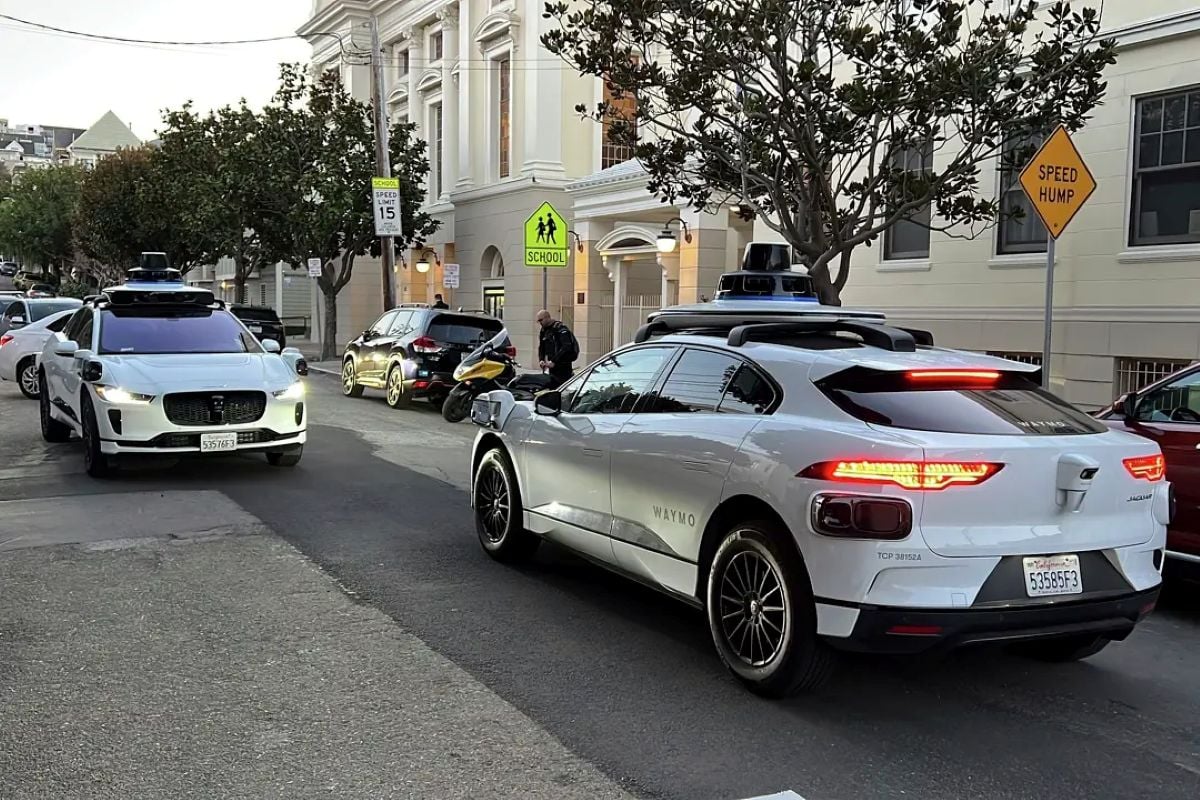
The promise of full autonomy of vehicles from Waymo, a subsidiary of Google, bumped into a human detail during a recent hearing in the United States Senate. Pressed by questions about safety, the company’s co-CEO, Tekedra Mawakana, admitted that the company uses remote support teams based in the Philippines to assist its robo-taxis in complex traffic situations.
This means, in practice, that people from the Philippines drive the car — supposedly autonomous — at times, driving the car remotely in complex situations. The revelation generated immediate discomfort in the congressional committee, led by Republican Senator Ted Cruz.
The central debate is not just technological, but one of sovereignty: Lawmakers have reservations about the idea that vehicles on American public roads depend on infrastructure and labor operating on the other side of the Pacific.
SEE ALSO:
To mitigate the criticism, Waymo sought to draw a clear line between “assistance” and “driving”. Mawakana emphasized that operators in Manila (and also in Texas and Arizona) do not have a joystick to control cars remotely in real time. The role of these agents is to provide high-level guidance — such as confirming that it is safe to overcome an obstacle or interpreting a construction sign — when the artificial intelligence software is in doubt.
According to the executive, the car asks the question, the human answers, and the on-board system performs the maneuver. This distinction is crucial for the company, which tries to avoid classifying its vehicles as merely “remote-guided”, which would invalidate the argument of vehicle autonomy.
The Senate’s scrutiny, however, went beyond the remote operation. The audience targeted Waymo’s supply chain, specifically the partnership with Chinese manufacturer Zeekr (of the Geely group) for the development of the Waymo Ojai model. At a time of trade tension between Washington and Beijing, the use of Chinese hardware in American critical infrastructure is a sore point.
Waymo defended itself by claiming that, although the “shell” of the vehicle is manufactured in China, the entire autonomous driving system — sensors, software and computing — is developed and integrated in the US. The argument tries to shield the company against future sanctions or bans on the import of Chinese technology, a recurring theme on the current legislative agenda.
The Senate’s rigor is not gratuitous: the self-employed industry faces a crisis of confidence after recent incidents, including run-overs and road blockades due to software failures.



