Psychology entity questions constitutionality of MP that benefits good drivers and warns of undetected health risks in traffic
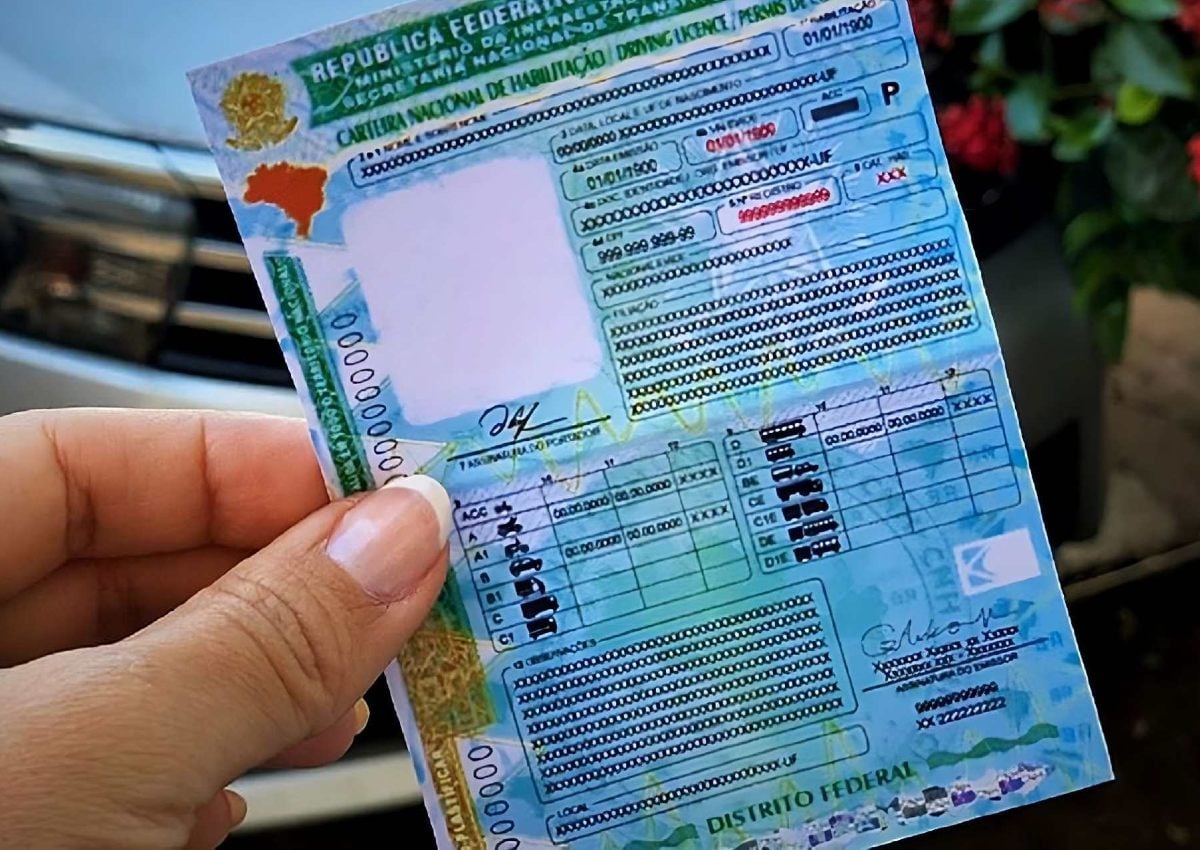
The Brazilian Association of Traffic Psychology (Abrapsit) filed a lawsuit with the Federal Supreme Court to question the constitutionality of Provisional Measure 1,327/2025. The rule, which recently came into force, instituted the automatic renewal of the National Driver’s License (CNH) for drivers with a good record, waiving the requirement for new medical and psychological exams. The Direct Action of Unconstitutionality (ADI) 7924 was distributed to the rapporteur of Justice Flávio Dino.
At the center of the debate is the change in the Brazilian Traffic Code that benefits drivers registered in the National Positive Registry of Drivers (RNPC) — those who have not committed infractions in the last 12 months. Although the federal government defends the measure as a step towards reducing bureaucracy and encouraging good practices behind the wheel, the trade association points out severe risks to road safety.
SEE ALSO:
Abrapsit’s main argument is technical: the absence of fines is not a valid indicator of physical or mental health. In the petition, the association argues that several pathologies — such as gradual loss of vision, decreased motor reflexes or neurological disorders — can develop silently, without the driver having committed previous infractions. By dispensing with the expertise, the State would be failing in its duty to inspect the fitness of drivers, allowing people without clinical conditions to continue driving legally.
In addition to health issues, the action warns of the potential increase in fraud in the system. The entity argues that the advantage of automatic renewal can encourage the illicit practice of transferring fine scores to third parties, aiming only at maintaining the status of “good driver” to avoid the bureaucracy of the exams.
To support the request for an injunction and the urgency of the suspension, Abrapsit presented data from the Ministry of Transport: in the first week of the MP alone, 323,459 licenses were automatically renewed across the country. For experts, this massive volume of renewals without medical screening represents a risk liability that grows exponentially as long as the measure remains valid.



