Understand why defects in white cars of the brand are no longer considered "just aesthetic" by US court
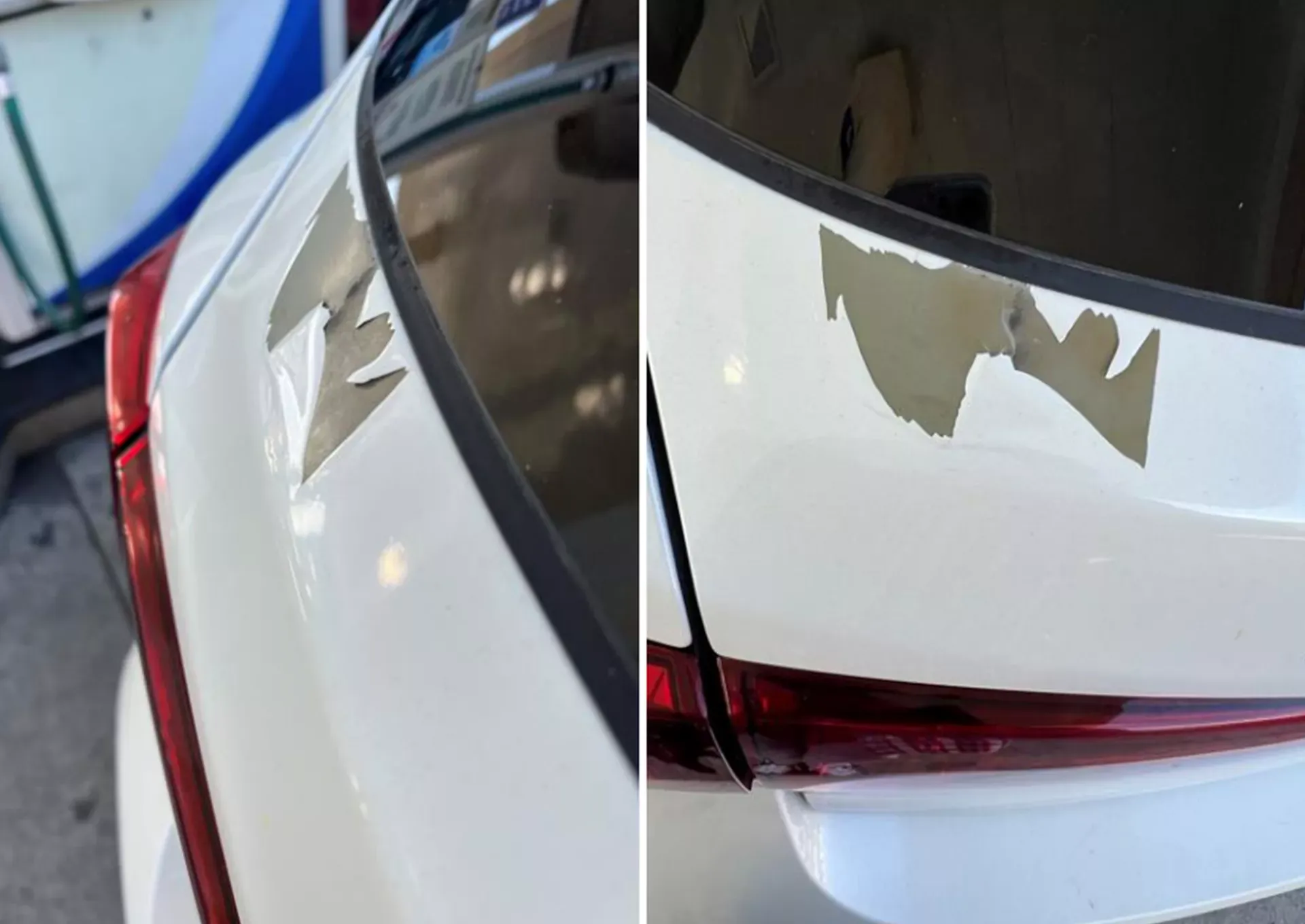
Honda has returned to the center of a legal dispute in the United States in a class action lawsuit that investigates recurring flaws in the white paint of several models of the Honda and Acura brands. The lawsuit, which had initially been rejected in 2025, was resumed after the court accepted new arguments that the defect transcends the visual aspect, and could compromise the structural integrity of the vehicles due to premature corrosion of the plates.
The allegations reformulated by the plaintiffs maintain that the Japanese manufacturer had been aware of the hidden vice since 2012, but omitted to inform consumers. The problem, characterized by peeling, bubbles and peeling off layers of paint, affects white finish variations in popular models such as the Honda Fit, HR-V, Odyssey and Pilot, as well as the luxury SUV Acura MDX, all produced from 2013 onwards.
SEE ALSO:
In the previous phase of the litigation, the Court had classified the damage as merely cosmetic, which limited the chances of compensation. However, the new judicial interpretation recognizes that the failure in the primary protection layer leaves the metal exposed to oxidizing agents, which constitutes a real risk to the durability of the bodywork. The magistrate’s decision also overturned the statute of limitations defended by the automaker.
For the court, the legal deadline for complaints of this nature begins only when the defect becomes visible to the owner, and not on the date of acquisition of the property. The advance of the stock puts pressure on Honda’s aftermarket strategy, which may be required to pay for large-scale repairs or offer financial compensation. In Brazil, although there is no joint action of the same scale, owners of white models often report similar complaints in consumer protection channels.



