Understand how the Lion's "bite" and inflation erode the income of those who choose to pay the vehicle tax in installments
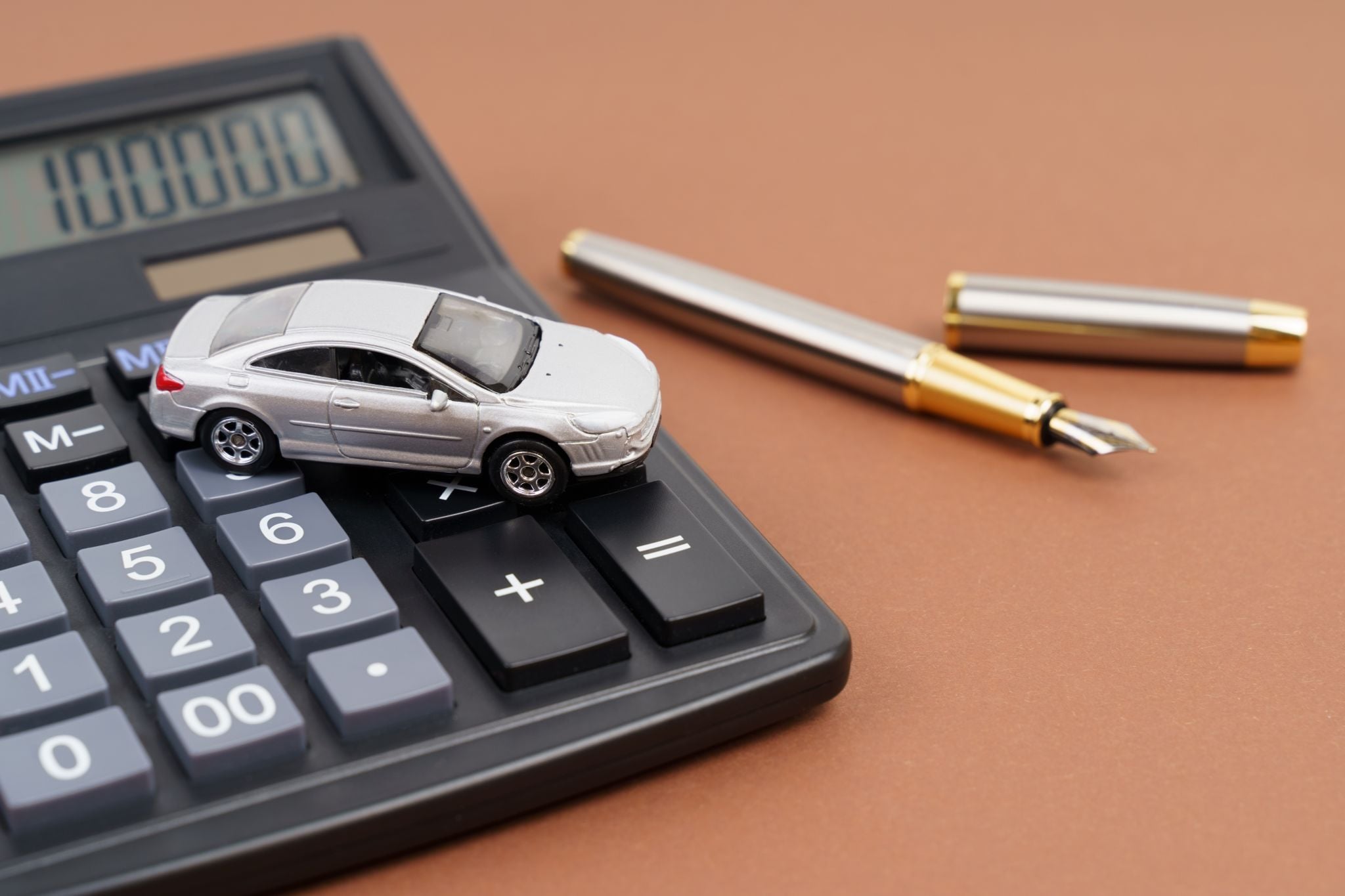
With the arrival of the IPVA (Motor Vehicle Property Tax) cards at the beginning of the year, the taxpayer is once again faced with the financial dilemma: pay the tax in cash to guarantee the discount or dilute the payment in monthly installments?
The mathematical answer, according to personal finance experts, tends to favor full payment. The advantage occurs whenever the rebate granted by the State exceeds the net income that that amount would have if it were invested in conservative investments in the same period.
SEE ALSO:
Although the basic interest rate (Selic) remains at high levels, guaranteeing CDBs and Treasury Direct bonds returns close to 1% per month, there are “reducers” that erode the real gain of those who opt for installment payments.
The main villain is the Income Tax: short-term investments (up to 180 days) suffer the maximum rate of 22.5% on profit. In addition, the need to make monthly redemptions to pay the installments prevents the full action of compound interest.
Considering an IPVA of R$ 2,500 in São Paulo, where the cash discount is 3% (R$ 75), the taxpayer would pay R$ 2,425. If you chose to pay in five installments and left the money yielding 100% of the CDI, the net gain at the end of the period would be approximately R$ 58.95 — lower, therefore, than the savings guaranteed by the single quota.
However, the decision should not be purely mathematical. Cash payment is only recommended for those who have a consolidated emergency reserve. If the full payment compromises the family cash flow or forces the entry into the overdraft, the official installment payment — without interest — becomes the most prudent and safe option to avoid indebtedness.



