With 3D maps and natural language guidance, a new version of GPS promises to make driving easier on unknown and routine routes
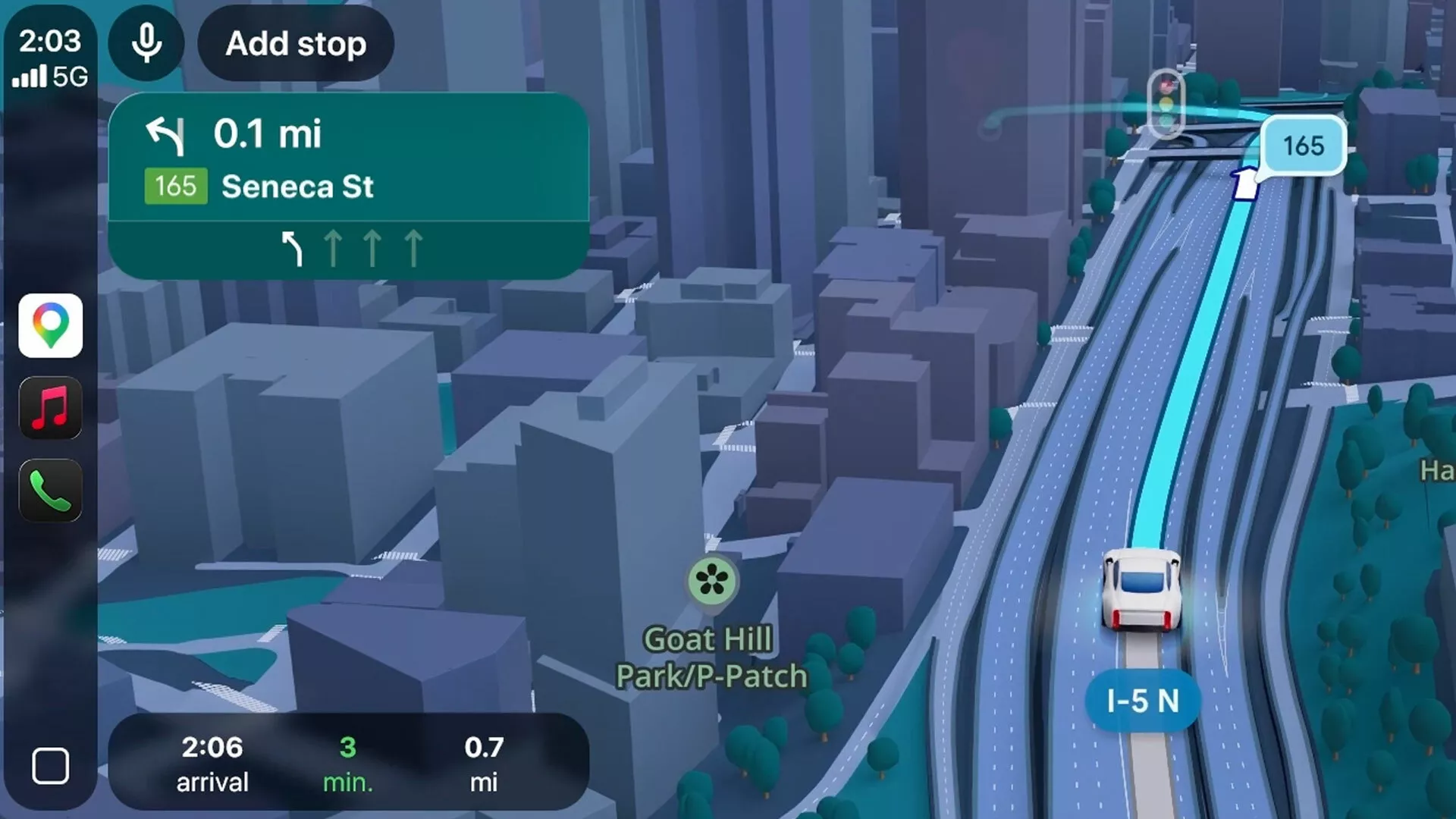
Google Maps is undergoing a profound technological overhaul with the official integration with Gemini, the company’s generative artificial intelligence. The update, made official this Thursday (12), elevates the service of a traditional GPS system to the level of a personal travel assistant. The goal is to offer a more intuitive driving experience, based on advanced language models and natural interactions.
SEE ALSO:
The premise of the new immersive navigation is to transform the driver’s perception of the route. Using Street View’s vast database, the app renders buildings, overpasses, and urban elements with 3D realism. In complex maneuvers, the system applies digital transparency to buildings that would obstruct the view, allowing it to anticipate curves. In addition, traffic lights, crosswalks and signposts gain greater graphic clarity.
The system also becomes more transparent about the choice of routes. Rather than just introducing a new route, Maps explains the trade-offs involved—for example, whether an alternate route is longer but avoids congestion caused by a recent accident, or whether the faster route requires tolls.
Through the “Ask Maps” feature, the user can plan complete itineraries via voice commands. AI analyzes reviews and context data to suggest specific locations, such as cafes suitable for remote work. Proactively, Maps now indicates parking lots near the destination and alerts you to which side of the road the main entrance to the site is.
Immersive navigation is now available for Android, iOS and embedded systems (Android Auto and CarPlay) in the United States. “Ask Maps” begins operations in the U.S. and India, with expansion to other markets and desktop versions expected in the coming months.



