In addition to the visual facelift for the electric version, BYD develops a plug-in hybrid Dolphin with technology inherited from the King sedan
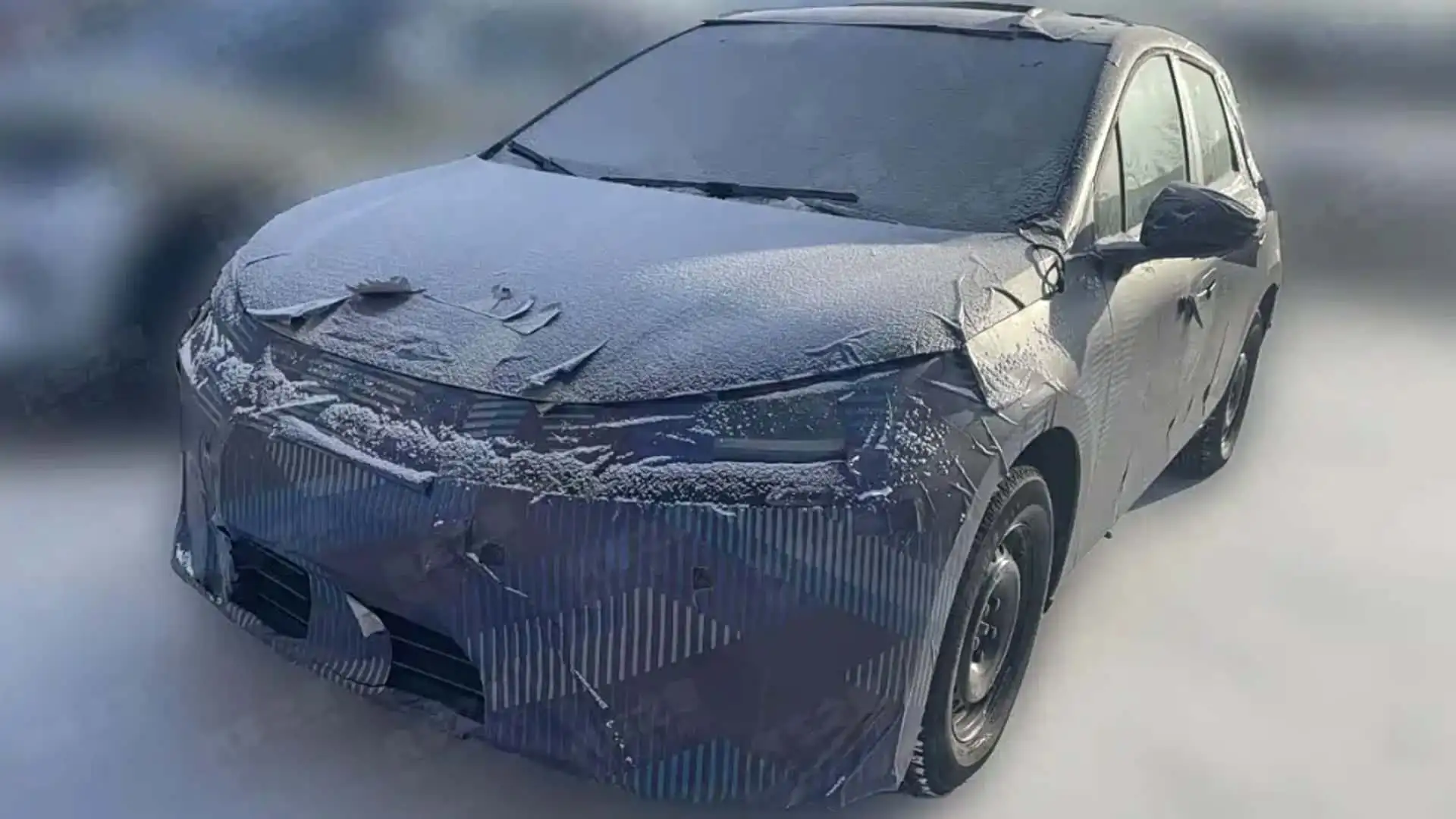
According to Chinese press reports, BYD plans to break up the BYD Dolphin line into two fronts. In this way, there would be a restyling of the 100% electric Dolphin and the introduction of an unprecedented plug-in hybrid variant (PHEV). The strategy aims to attract consumers who still resist the full transition to electromobility, offering an alternative with extended autonomy.
SEE ALSO:
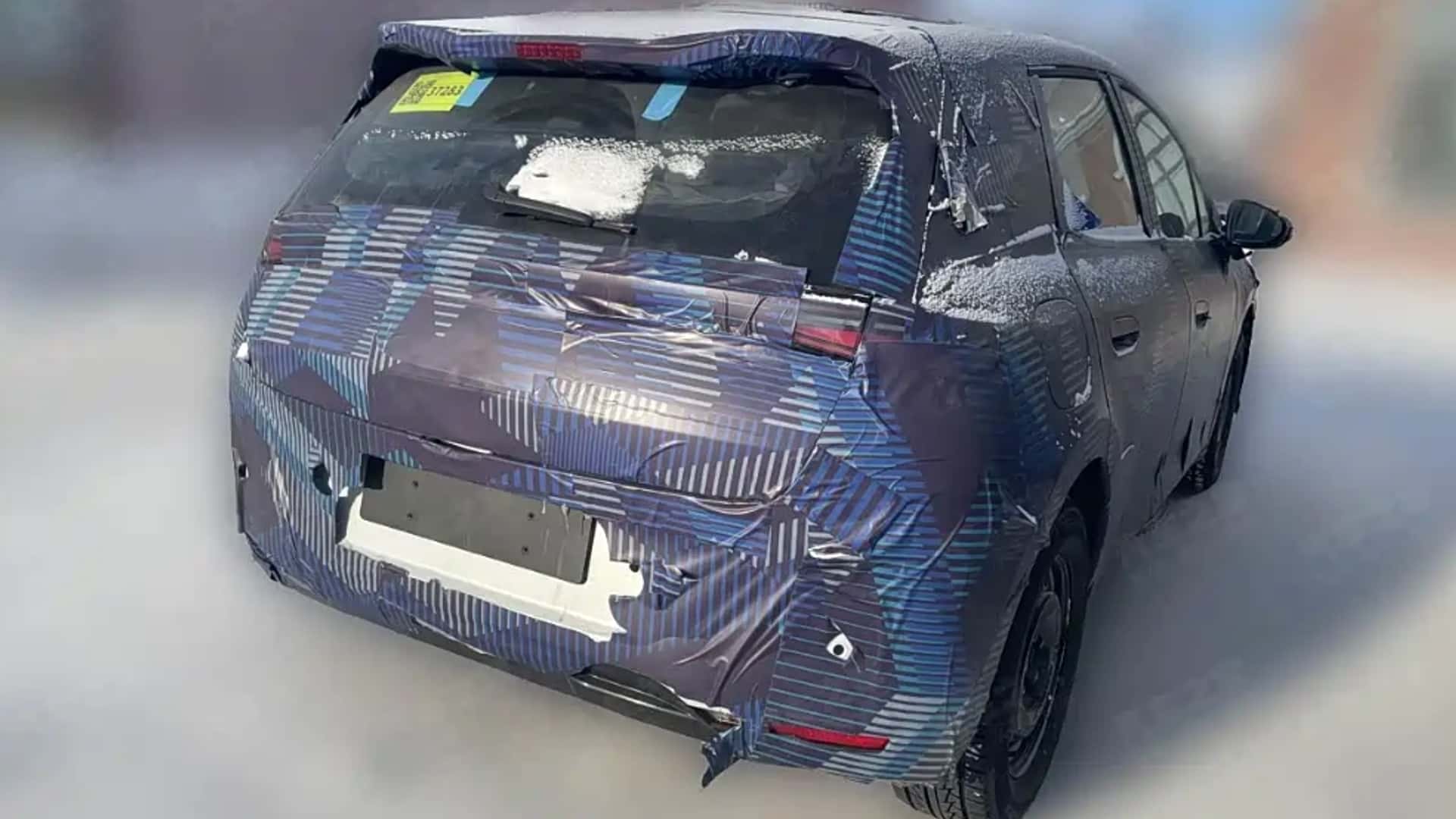
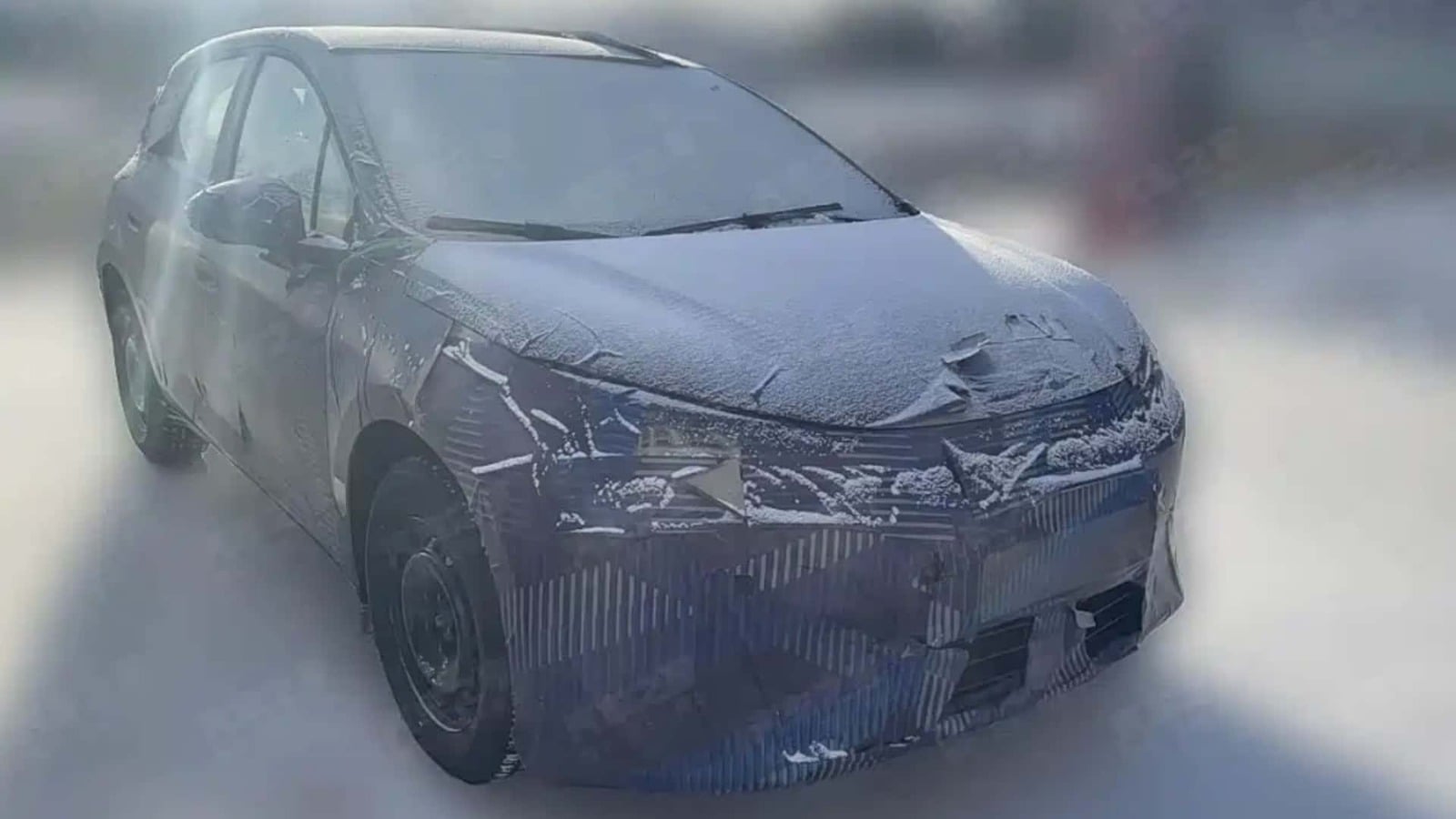
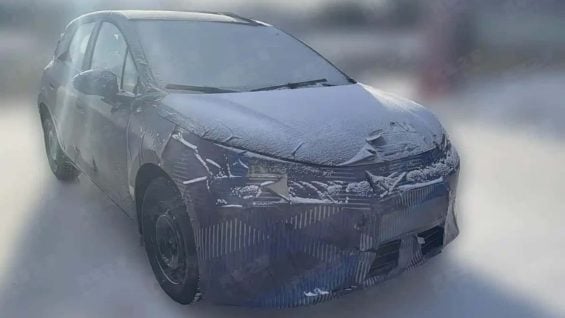
The first units of the renewed electric Dolphin are already circulating in tests in Brazil under camouflage, indicating that the launch of the visual update should take place in 2026. At the same time, shots taken in China reveal the development of the hybrid version. This model should inherit the DM-i mechanical assembly of the King sedan, combining a combustion engine with an electric unit with a focus on energy efficiency and emission reduction.
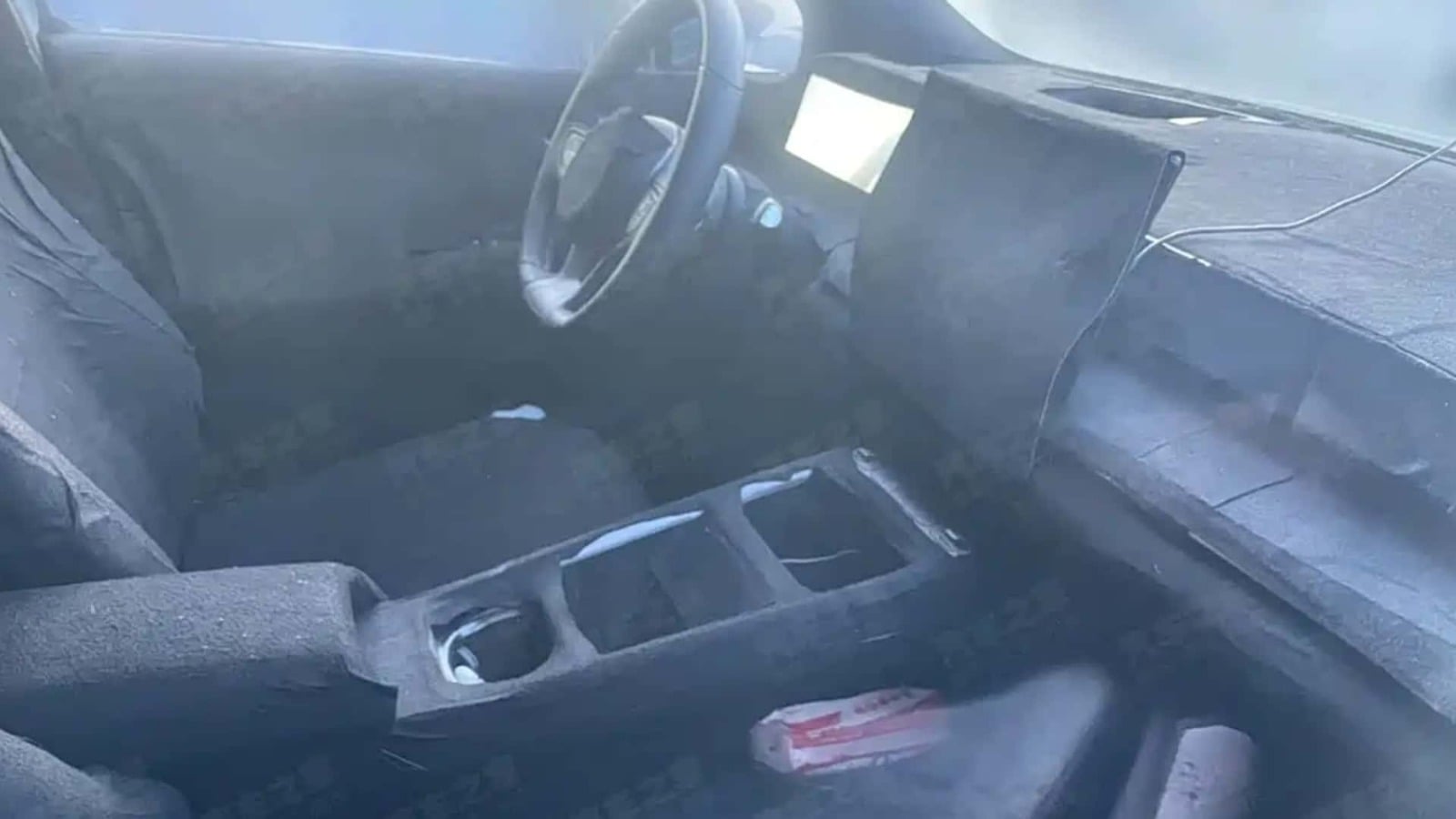
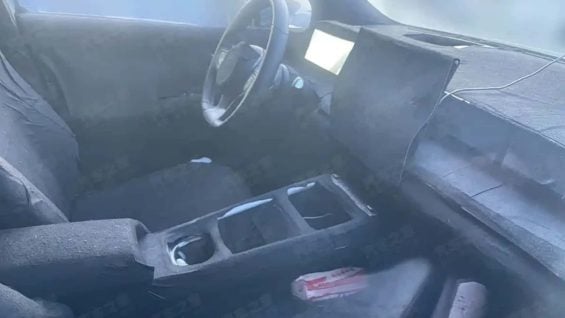
Unlike the current version, which has a silhouette close to that of a minivan, the new hybrid Dolphin should adopt the proportions of a traditional hatchback — lower, wider and with an elongated wheelbase. Inside, BYD designs a panel with straighter lines and a refined finish. Rumors indicate that the brand may even give up the rotating screen in favor of a fixed and integrated interface, raising the perception of sophistication of the cabin.
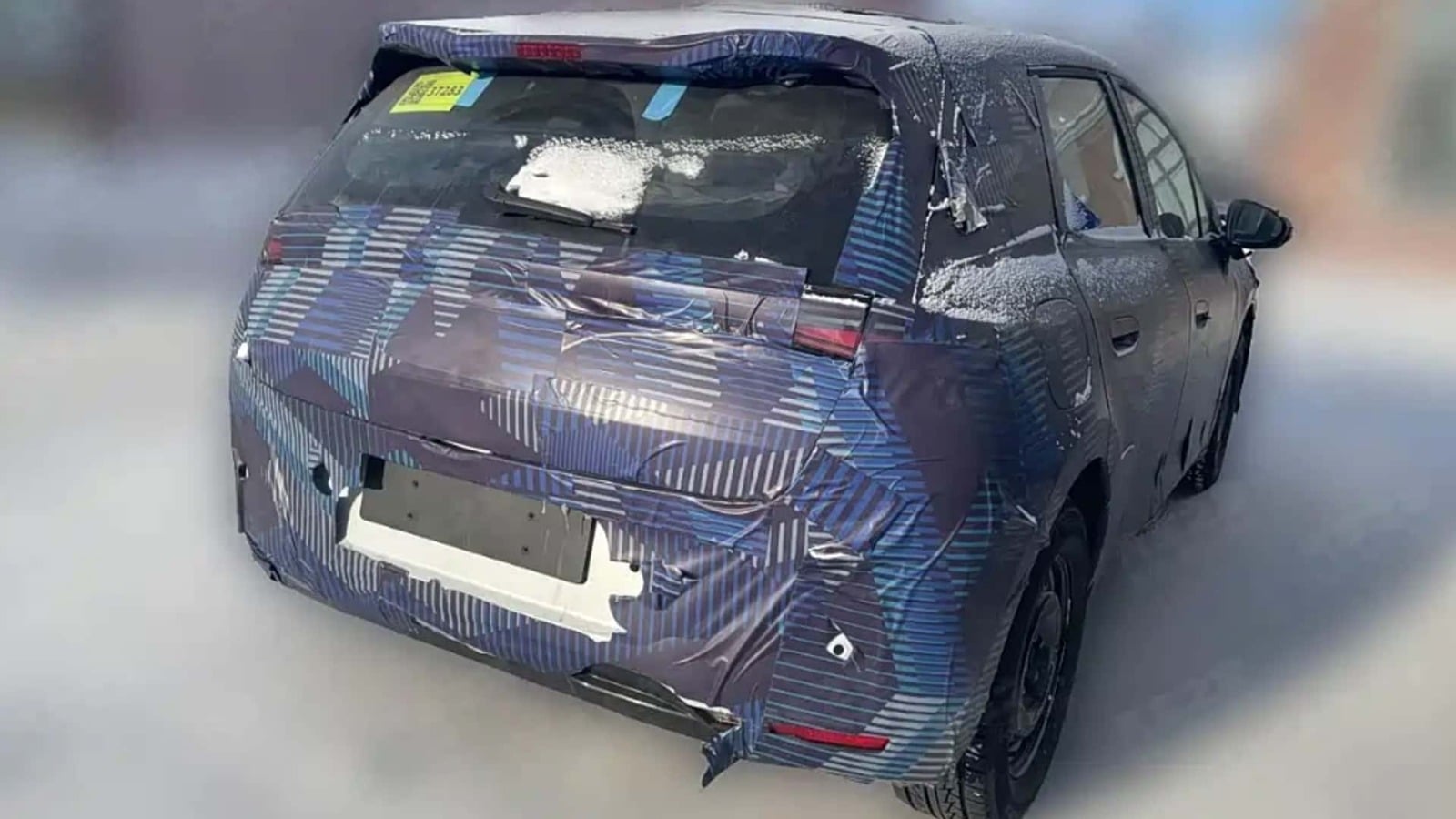
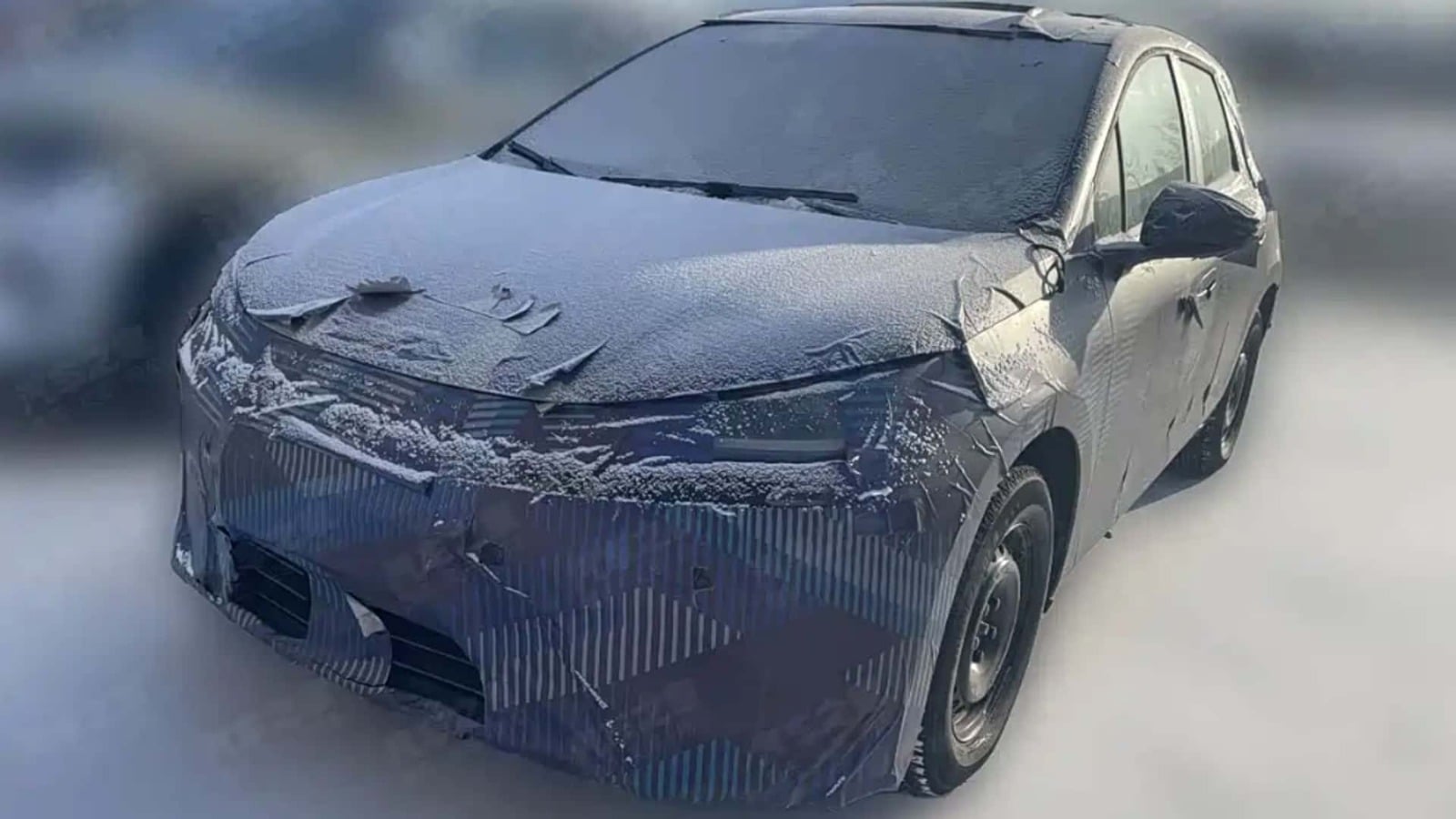
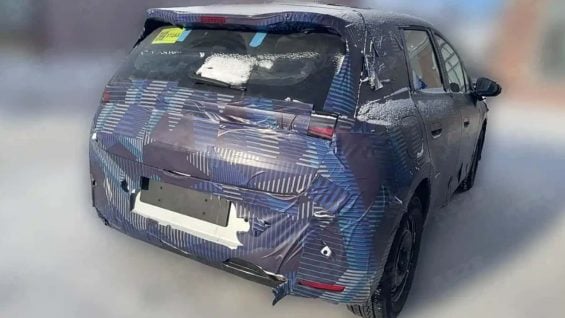
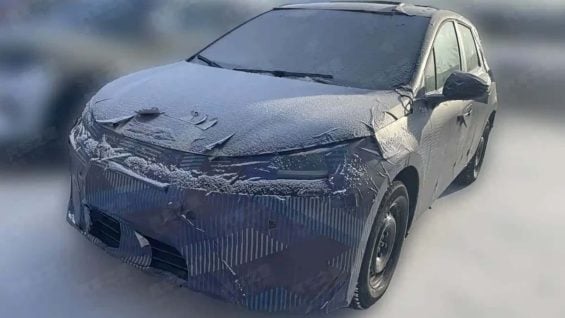
In the technical field, the renewal can bring profound structural changes. It is speculated that rear-wheel drive and multilink suspension will be adopted from the entry-level versions, in addition to the use of the new generation of Blade 2.0 batteries. This technology promises improved performance and stability in extreme thermal conditions, one of the main challenges of electrified vehicles today.
For the electric model, the facelift should focus on equipment packages. The expectation is that the driving assistance system (ADAS) will appear in the entry-level GS version. In terms of performance, the 95 hp and 204 hp engines should be maintained, ensuring the competitiveness of the hatch until the arrival of hybrid technology, scheduled for 2027.



