German manufacturer uses critical real traffic situations to refine driving assistants; system is optional and focuses on "rare cases"
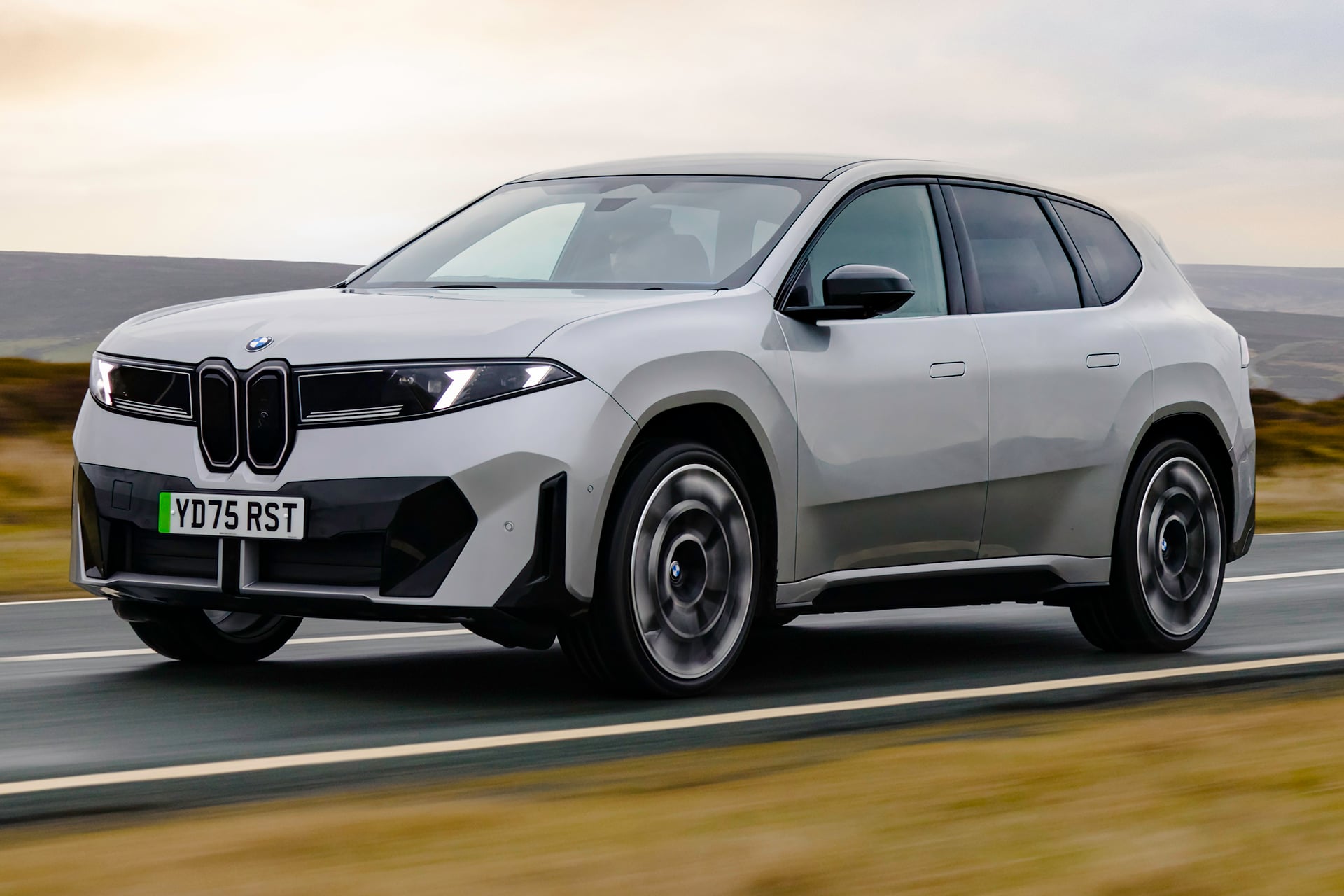
BMW has started a program to collect image data and sensors on its fleet of i3 and iX3 electric vehicles to accelerate the development of autonomous driving systems and safety assistants. Launched in Germany in April 2026, the project uses real traffic situations to “train” artificial intelligence algorithms, under the premise that the complexity of public roads offers richer scenarios than simulations in a controlled environment.
The strategy focuses on so-called “critical cases,” rare or dangerous situations that challenge current systems. The engine does not perform continuous recordings; instead, it is triggered by specific telemetry triggers, such as emergency braking, evasive maneuvers, or sudden stability control interventions. When the event occurs, the vehicle records images from external cameras and data such as speed and steering angle.
SEE ALSO:
Monitoring is managed by the brand’s new X Operating System, which prioritizes compliance with privacy laws. According to the manufacturer, the participation of owners is voluntary and consent can be revoked at any time in the panel settings. To ensure third-party anonymity, the software applies automatic filters that blur faces and license plates before the file is transmitted via the cloud.
Once on BMW’s servers, the data is unlinked from the Vehicle Identification Number (VIN), preventing the tracking of the original driver. The company plans to expand the initiative to other European countries in the coming months, using the information gathered to refine assistants such as automatic braking and lane keeping.
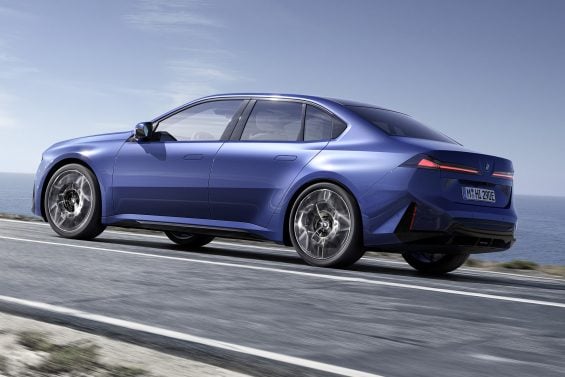
The improvements resulting from this machine learning will be returned to users through over-the-air updates, creating a cycle of continuous improvement based on the fleet’s collective experience. The ultimate goal is to make safety interventions less intrusive and more precise for the driver.



