Designer Jony Ive, responsible for the look of iconic Apple products such as the iPhone, classified the predominant use of touchscreen screens in automobiles as a design error. In an interview about the development of the Ferrari Luce — his first automotive project in partnership with the Italian brand — Ive argued that the industry has replaced physical ergonomics with digital displays driven by fashion trends, not functionality.
Ive’s central critique is based on road safety and cognitive ergonomics. According to the designer, touch-based interfaces are excellent for smartphones, where the user’s visual focus is entirely on the device. In the automotive environment, however, the logic is reversed: the driver needs to operate systems without looking away from the road.
The absence of haptic feedback on glass surfaces forces the driver to visually confirm where he is touching. “When you remove the physicality of the buttons, you remove the ability to operate the machine by muscle memory,” Ive argues. This distraction, even if only for a few seconds, is pointed out as a risk factor on highways.
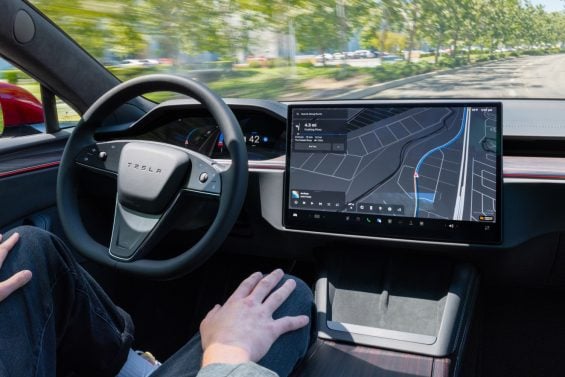
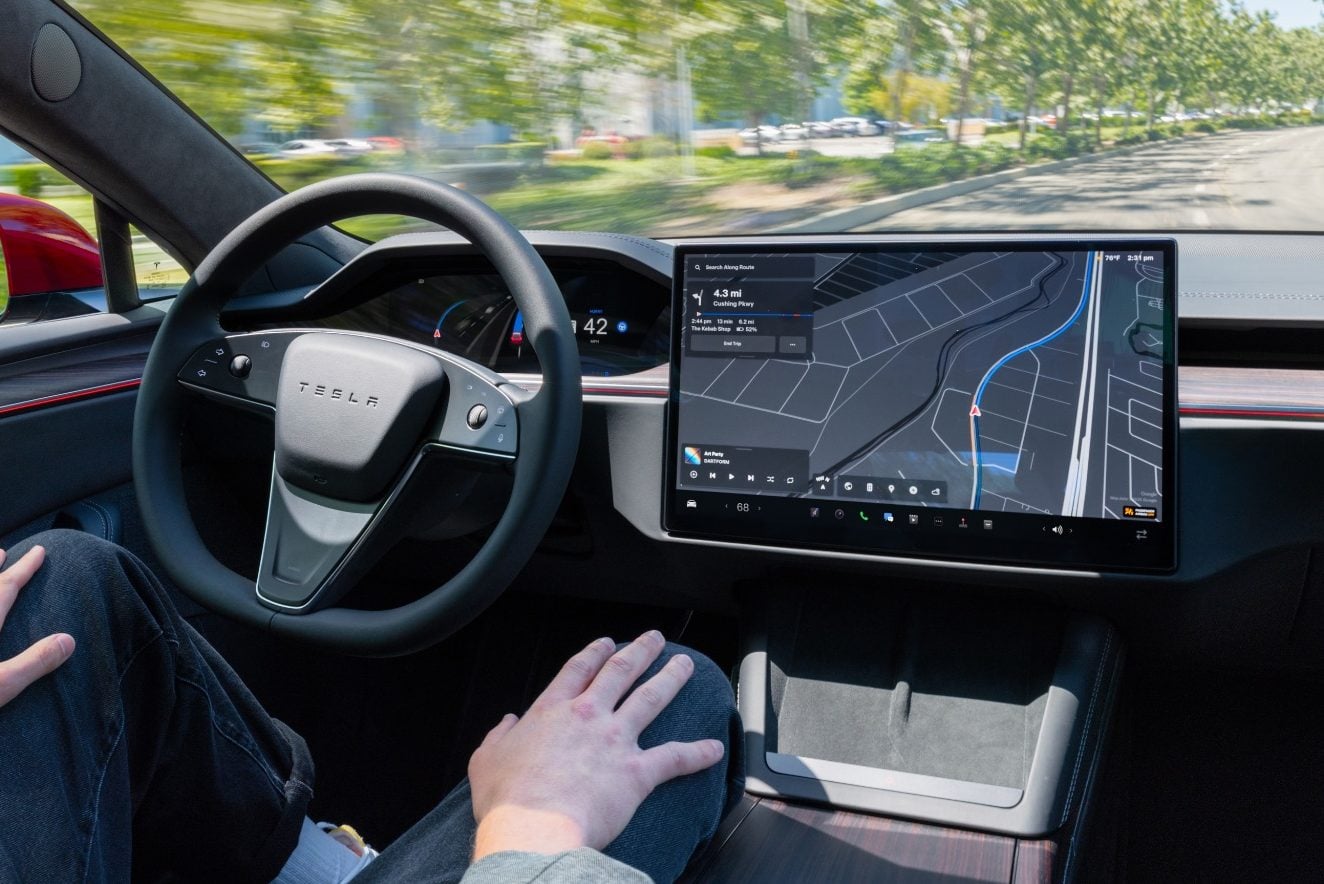
Too many screens distract drivers, says Jony Ive (Photo: Tesla | Disclosure)
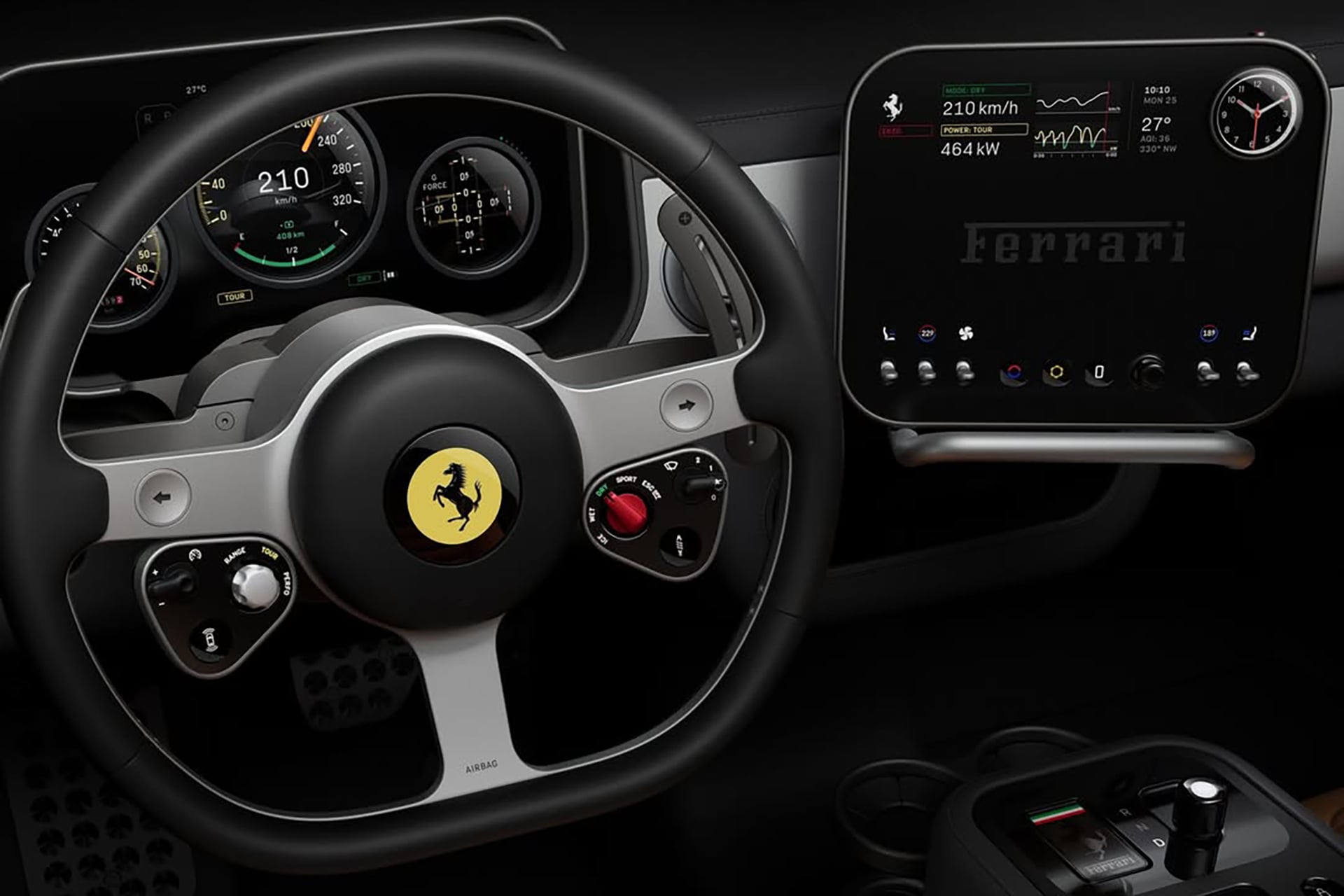
The analog interior of the Ferrari Luce
For the Ferrari Luce project, LoveFrom, a studio founded by Ive, rejected the war for large screens waged by automakers, who dispute who installs the largest monitor on the dashboard. The interior of the electric supercar prioritizes analog controls designed to be identified by touch.
Switches, rotary dials and levers have been sculpted to offer resistance and distinctive textures. The idea is that the driver feels the mechanical “click” of each function, allowing intuitive control of the vehicle at high speeds. For Ive, the excess of screens, in addition to being dangerous, denotes “laziness” in design, while the harmonious integration of technology and physical controls represents true contemporary luxury.
Ive’s stance is in line with recent moves by security agencies, such as Euro NCAP, which have begun to penalize, in their evaluations, vehicles that concentrate essential functions — such as turn signals and windshield wipers — exclusively in multimedia screen menus.
Comments are the sole responsibility of their authors and do not represent the opinion of this site. Comments containing profanity or offensive language will not be published. If you identify anything that violates the terms of use, please report it.