Japanese brand presents camping solution with solar energy and mobile kitchen that can be pulled even by a Civic
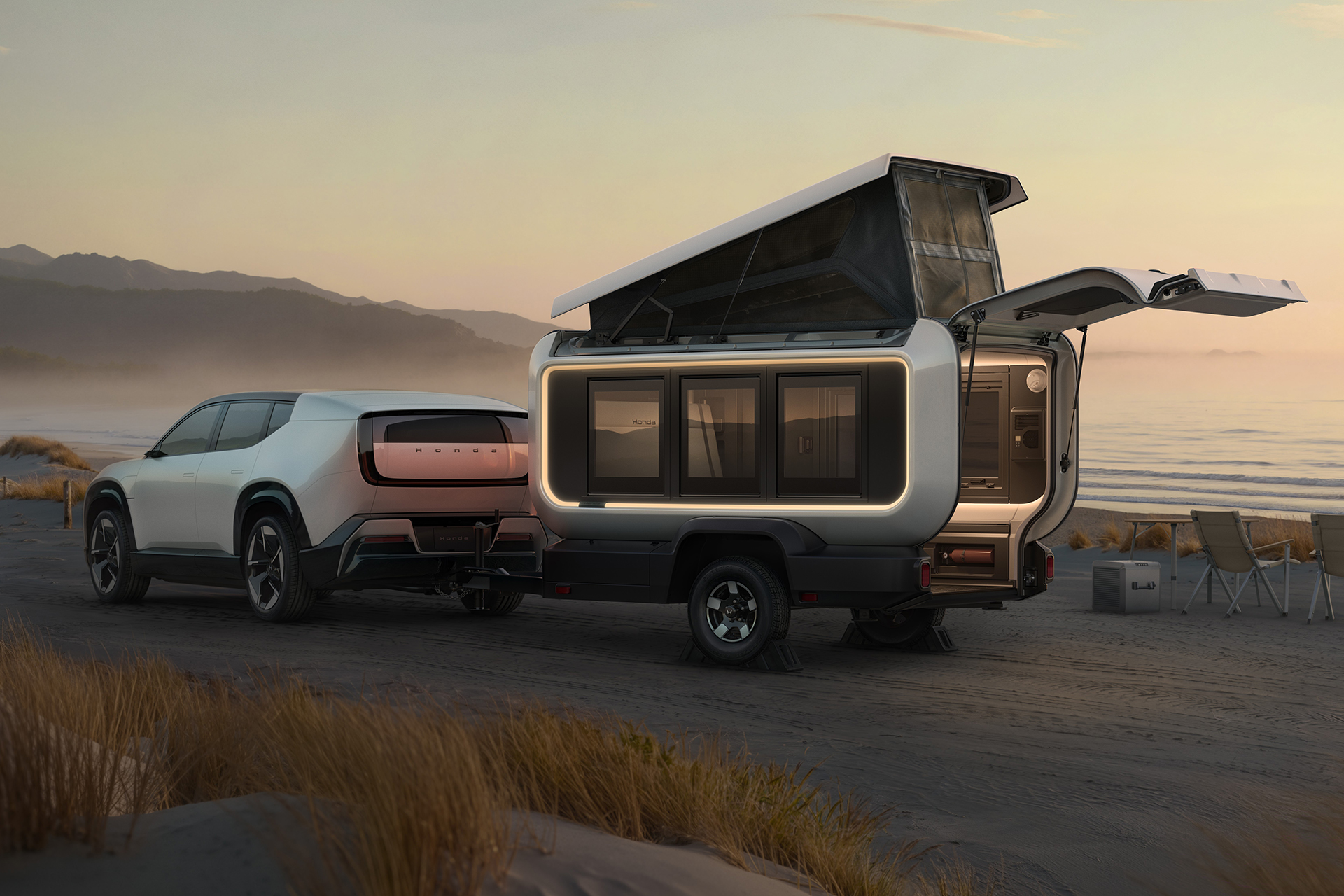
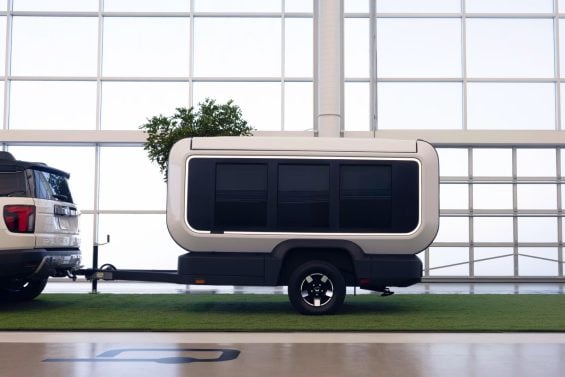
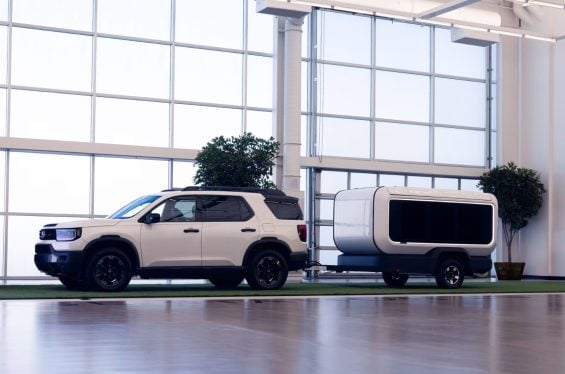
Honda presented in the United States the “Base Station”, a prototype of a modular trailer that aims to democratize itinerant tourism. Developed by the brand’s R&D division in California, the project was designed to solve a bottleneck in the segment: allowing owners of common passenger vehicles — such as sedans, compact crossovers and electric cars — to tow a camping structure without the need for heavy pickup trucks.
The focus on energy efficiency and weight reduction is the backbone of the concept. With less than 680 kg, the trailer minimizes the impact on the autonomy of electric vehicles and the consumption of combustion models.
SEE ALSO:
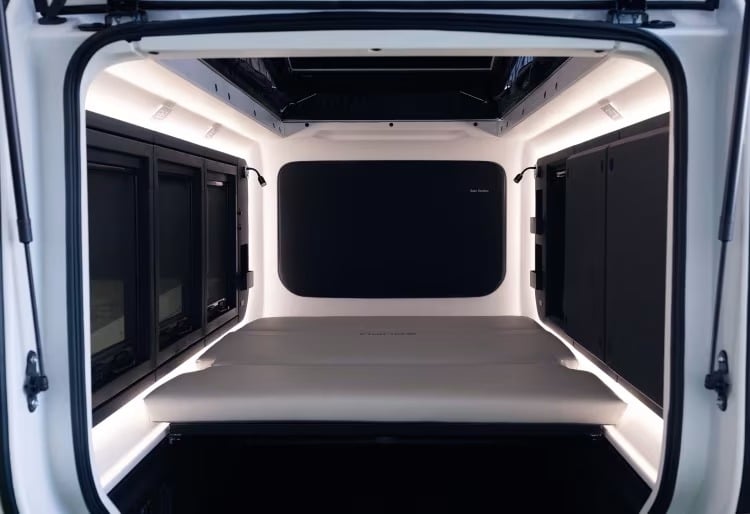
Smart design solves the problem of urban storage. Enclosed, the Base Station has dimensions contained to fit standard residential garages. When parked and expanded, however, the roof rises to offer a ceiling height of 2.13 meters, accommodating up to four people with a double futon and a children’s bunk bed.
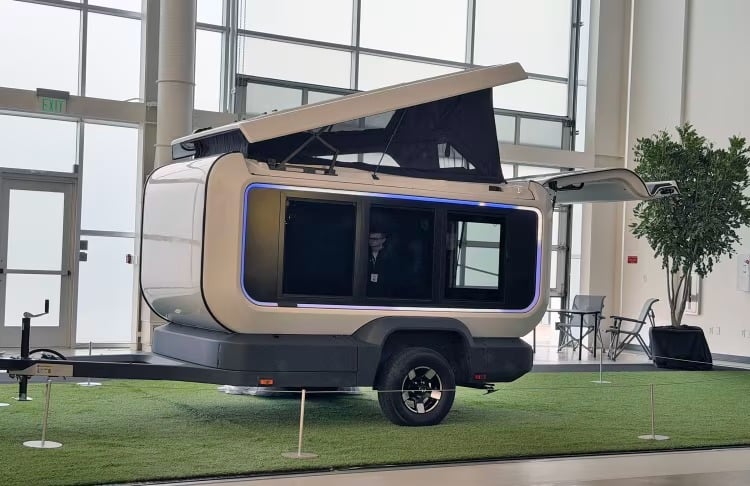
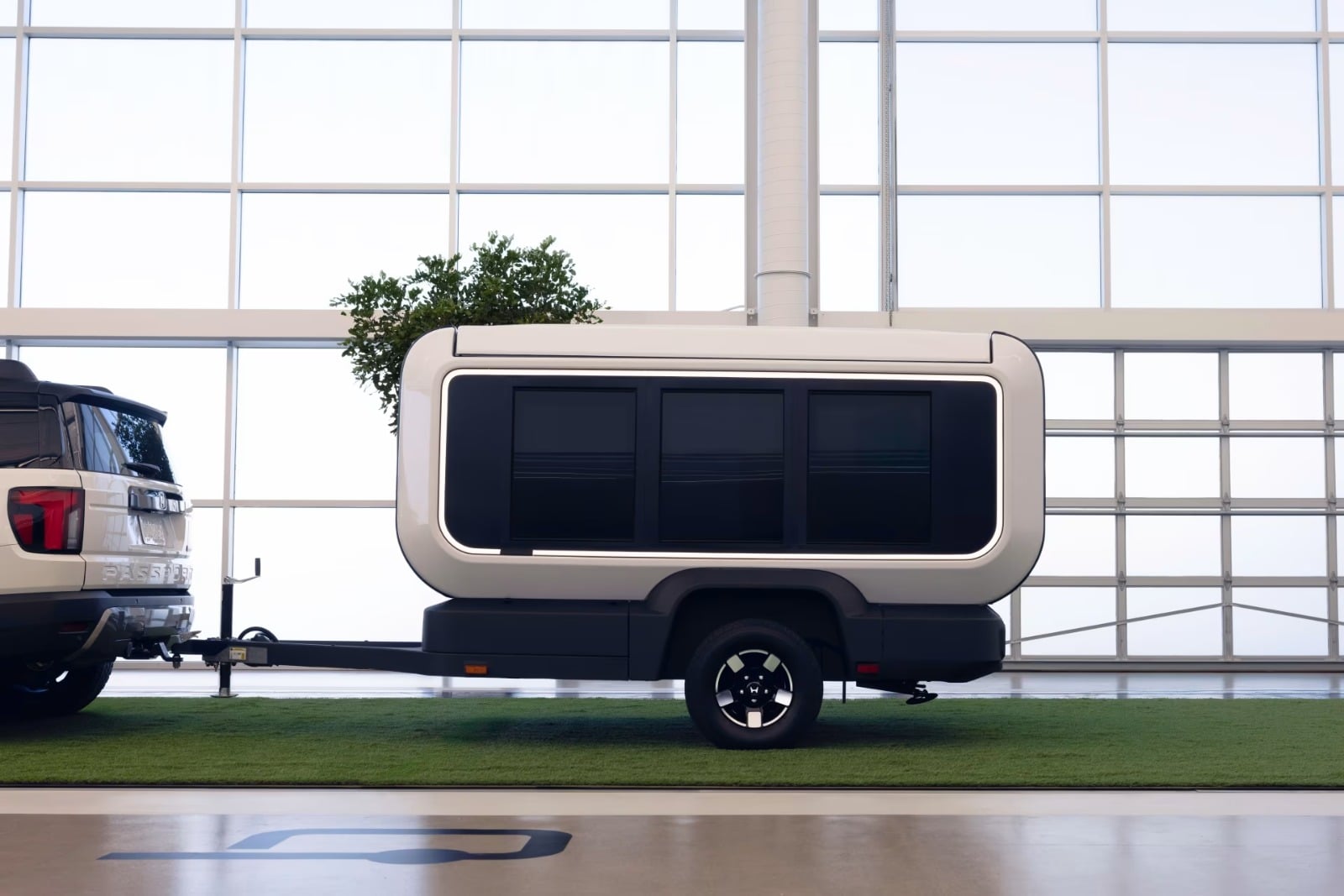
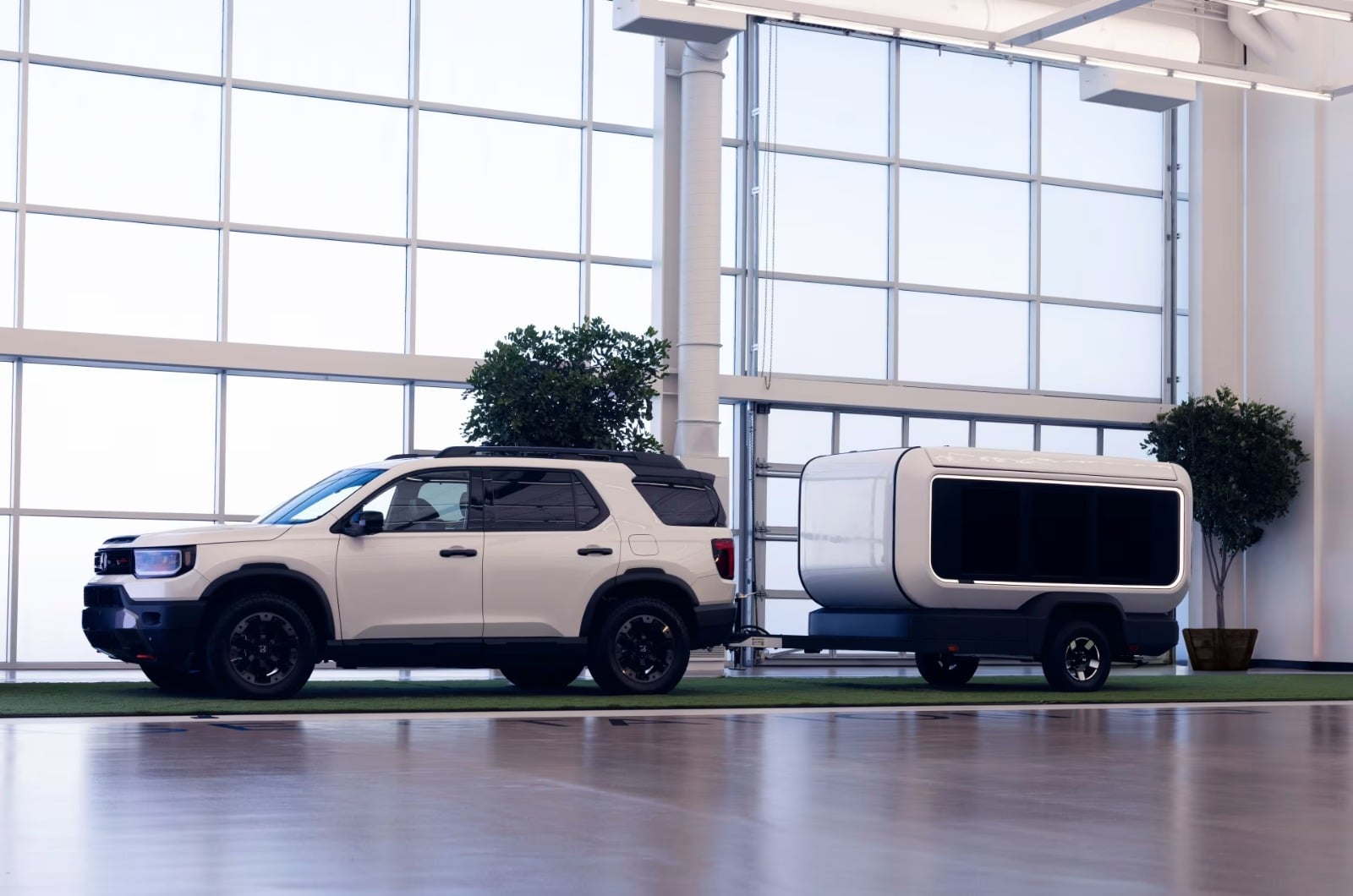
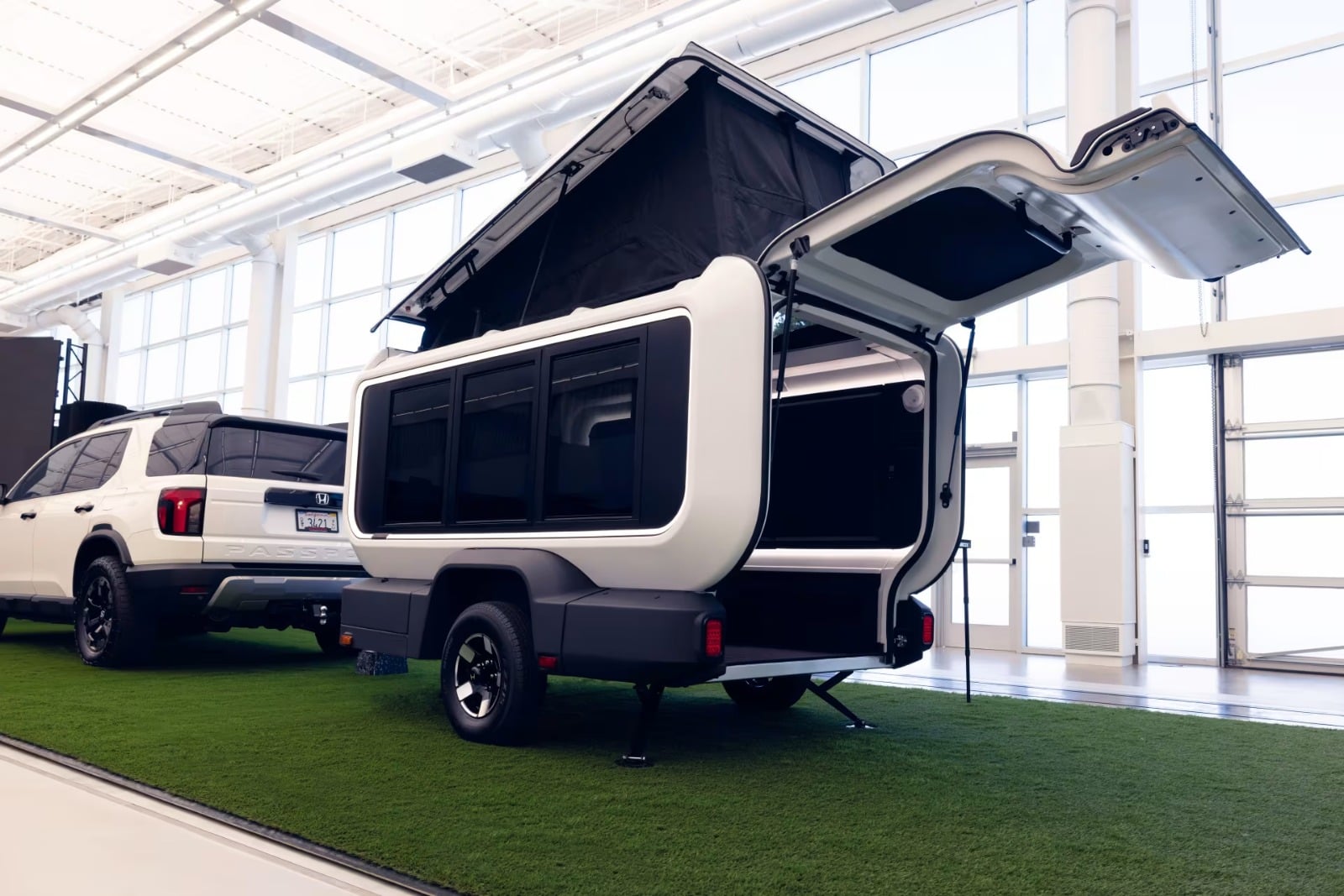
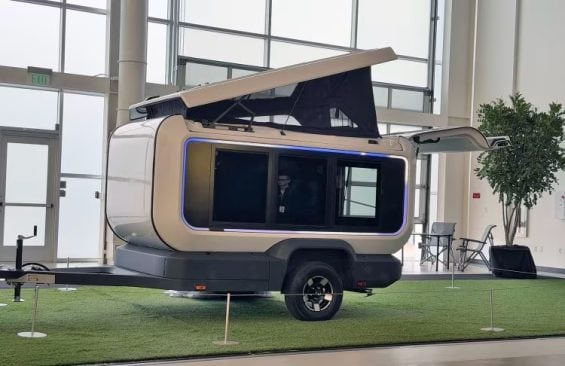
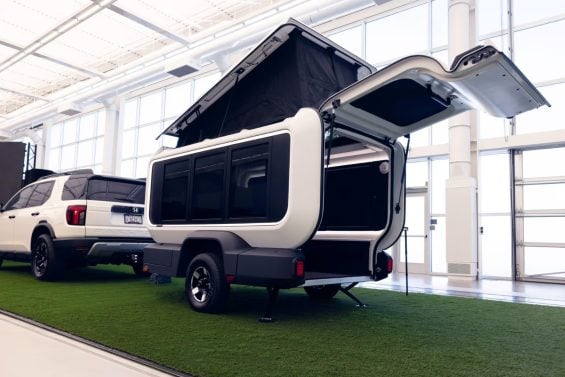
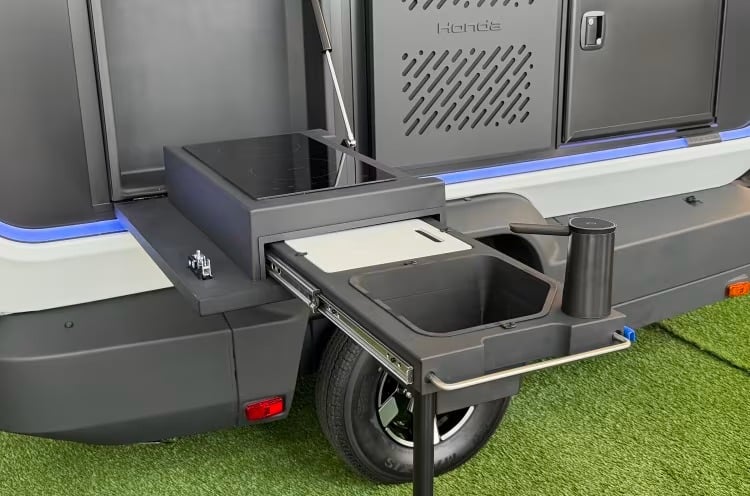
Internally, Honda bet on modularity. A rail system allows furniture to be reconfigured or removed without complex tools, transforming the dormitory trailer into a mobile office or cargo area for equipment such as kayaks and motorbikes. Amenities also include a kitchen that slides out of the body, shower and air conditioning.
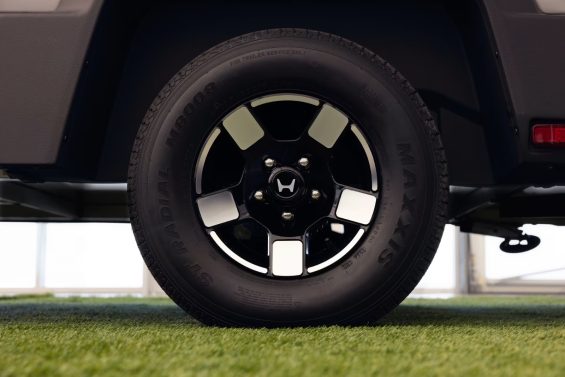
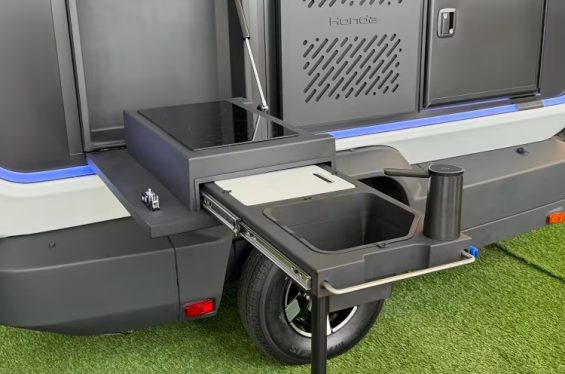
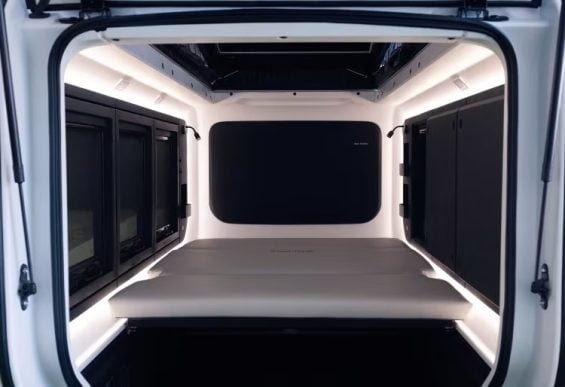
To ensure autonomy in remote locations, the roof houses 200-watt solar panels connected to a 4 kWh lithium iron phosphate (LFP) battery. The system eliminates the need for noisy combustion generators, sustaining lighting and appliances during an off-grid long weekend.
According to Dillon Kane, leader of the project, the idea is to make the adventure accessible to those who already own smaller vehicles, removing the barrier to entry of having to buy a large truck or SUV to tow. Although it is still a concept, Honda evaluates the public’s reception to define the commercial future of the model.



