Owner put his Xiaomi SU7 Pro to intense use over 16 months, running equivalent to six laps on Earth; Batteries held up to the demand
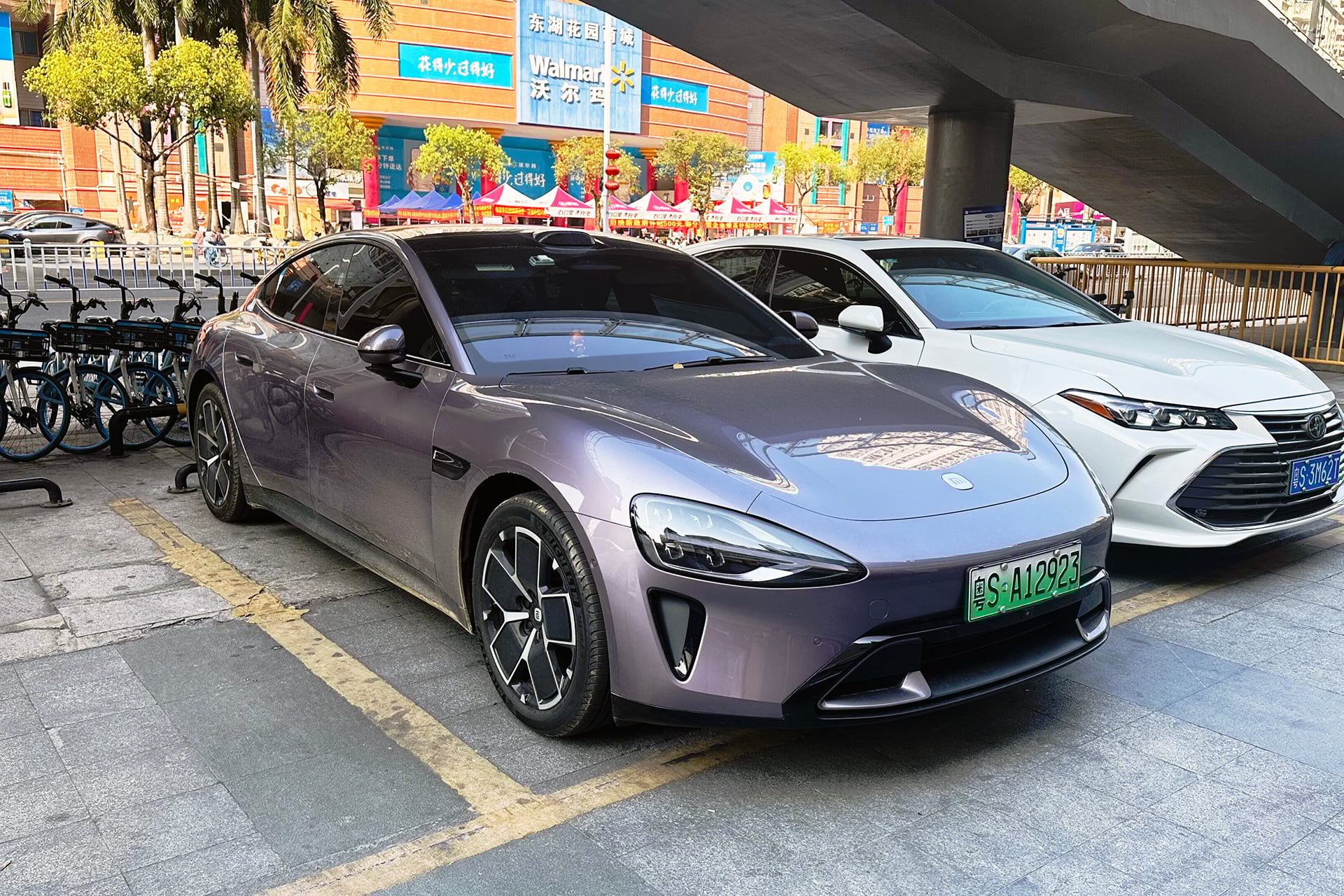
A long-term test conducted by an owner in China brought interesting data on the durability of electric vehicles in heavy use. The driver, identified only as Feng, drove 265,757 kilometers with his Xiaomi SU7 Pro in a period of 16 months. The daily average of 600 km — higher than most taxis — served to show how a vehicle of this type wears out in the long term.
SEE ALSO:

The most relevant indicator of the test was the integrity of the lithium iron phosphate (LFP) battery, supplied by the giant CATL. After a rotation equivalent to 6.6 laps around the Earth, the 94.3 kWh component retained 94.5% of its original capacity. For comparison, the standard warranty of competitors such as the Tesla Model 3 promises retention of 70% of capacity after 193 thousand km.
The vehicle consumed about 47,800 kWh in the period, totaling approximately 506 complete charging and discharging cycles.
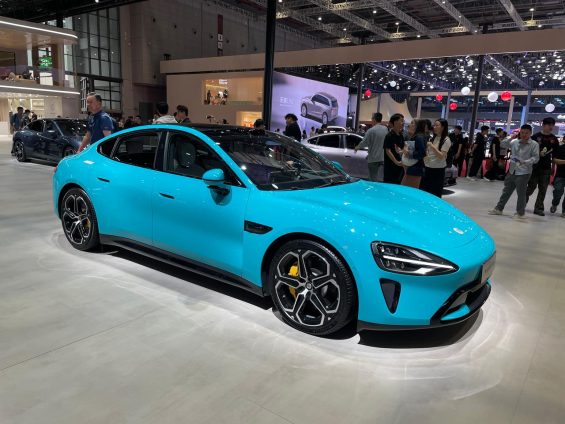
The sedan’s mechanics also showed unusual resistance. According to the owner, the brake pads were never replaced, preserved by the efficiency of the regenerative braking system, which uses the electric motor to slow down the car and recover energy. The cooling system also remained intact, with no contamination of the fluid.
At the tip of the pencil, the transition to the electric model generated substantial savings. Feng estimates that he has saved more than 100,000 yuan (about $100,000) in fuel compared to an equivalent combustion vehicle. The amount represents almost 40% of the list price of the SU7 Pro in China.
The case gained repercussion after being shared by Lei Jun, CEO of Xiaomi, reinforcing the good moment of the brand, which recently surpassed sales of the Tesla Model 3 in the Chinese market. The company is already preparing an update of the model for April 2026, promising standard LiDAR sensors and extended range to up to 902 kilometers.



