New rule should be approved in the first half of the year; experts warn of risks in unprepared engines
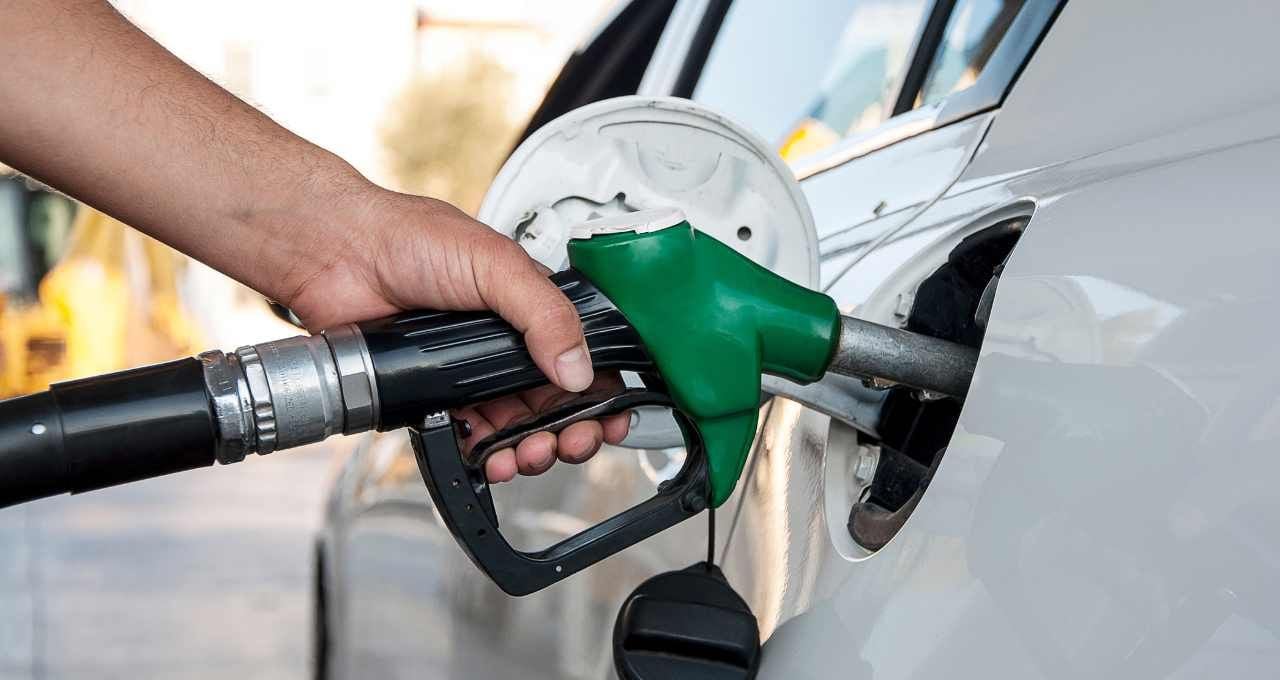
The federal government is expected to make official, still in 2026, the increase in the blend of anhydrous ethanol in gasoline from 30% to 32%. The measure, articulated by the Ministry of Mines and Energy (MME), is part of the guidelines of the Fuel of the Future Law and seeks to reduce the exposure of the domestic market to the volatility of international oil prices.
According to Minister Alexandre Silveira, the new trainset, technically called E32, should be available at the pumps in the first half of this year. The schedule continues the staggering started in 2025, when the percentage rose from 27.5% to the current 30%. The legal ceiling provided for in the legislation allows the mixture to reach up to 35%, as long as it is supported by technical feasibility tests.
SEE ALSO:
The move comes under pressure from geopolitical tensions in the Middle East, which are driving up the cost of a barrel of oil. By prioritizing biofuel, the government tries to mitigate the inflationary impact and strengthen energy security. However, the transition generates technical caveats, especially for non-adapted vehicles.
While the Brazilian flex-fuel fleet is designed to handle high concentrations of ethanol, models powered exclusively by gasoline — a category that encompasses most imported and luxury vehicles — may have side effects. Experts point to possible difficulties in cold starts, loss of performance and accelerated wear of feed system components due to the hygroscopic nature of alcohol.
Another point of attention is energy efficiency. As ethanol has a lower calorific value than gasoline, the tendency is for the mileage to decrease, resulting in slightly higher consumption and more frequent visits to gas stations to travel the same distance.



