

General breakdown in self-driving cars causes chaos in China and government takes drastic measure
After 'general breakdown', the Chinese government decided to paralyze new licenses for autonomous vehicles and this could affect the technological dispute with the US
By
Tom Schuenk
Published on 2026-05-05 at 03:00 PM
Updated on 2026-05-05 at 03:16 PM
Published on 2026-05-05 at 03:00 PM
Updated on 2026-05-05 at 03:16 PM
Be the first to comment.
Summarize with:
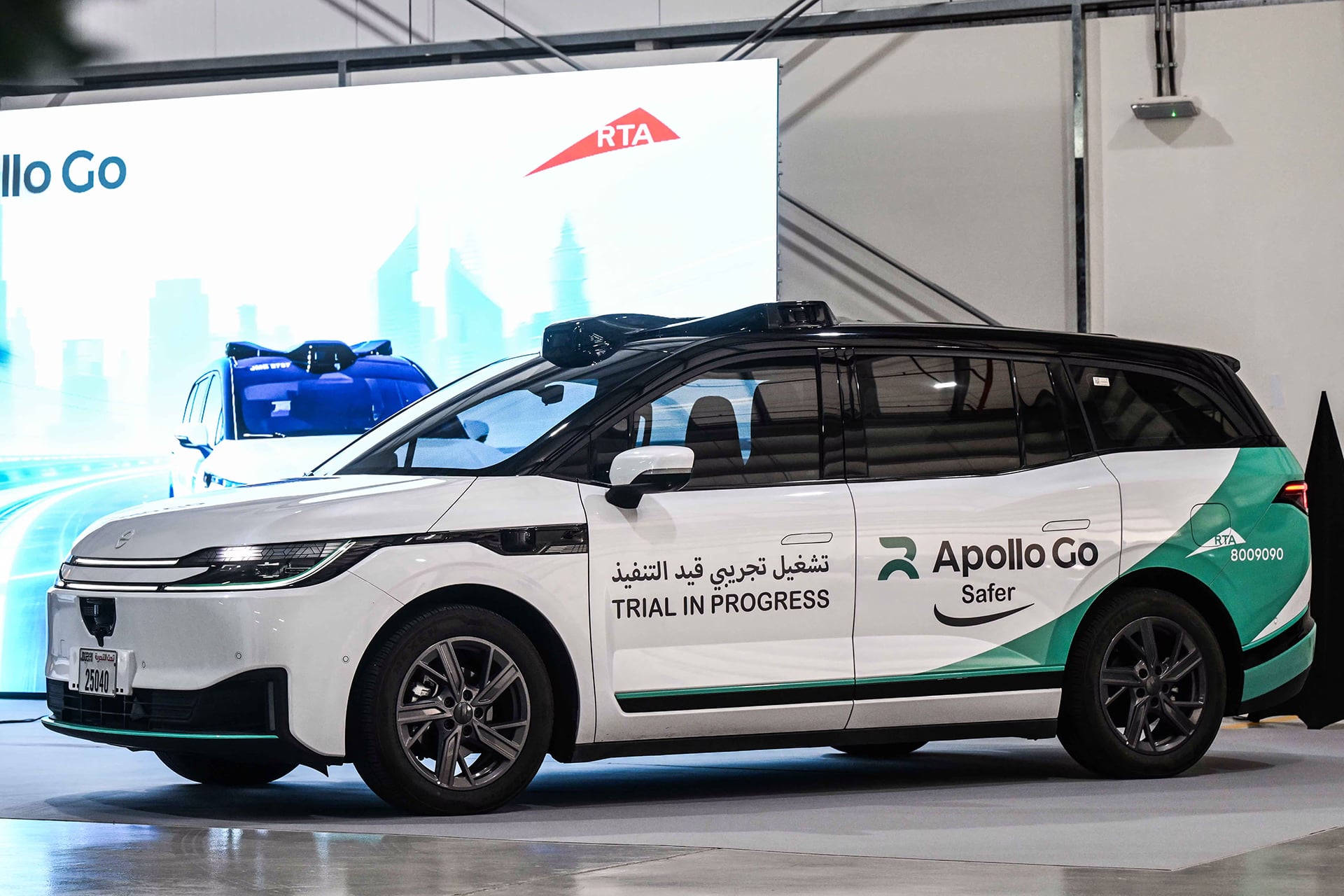
China’s government has slowed the pace of its ambitious self-driving car industry by temporarily suspending the issuance of new licenses for Level 4 vehicles (which do not require the driver’s attention). The decision comes after a general failure that occurred on March 31, when dozens of robotaxis from the Apollo Go fleet, operated by the giant Baidu, paralyzed simultaneously in Wuhan. The incident blocked the city’s road arteries and sparked a national alert about the safety of fully automated systems.
SEE ALSO:
- Use of AI widens the gap between Chinese cars and the rest of the world
- Change in the Constitution provides for IPVA based on the weight of the vehicle and end of price calculation
- China’s official communist luxury brand to launch in Europe with an eye on Mercedes
Financial impact and the technological dispute
The suspension of licenses freezes the pace of expansion of a market that consultancies project will be worth US$ 12 billion (about R$ 60.6 billion) by 2030. With the measure, companies are prohibited from expanding existing fleets, inaugurating pilot projects or advancing on new cities. The impact on the financial market was immediate: the shares of Baidu and direct competitors, such as Pony AI and WeRide, fell on Asian stock exchanges, aggravating the scenario for startups that already operate under strong pressure from research and development costs.
Baidu’s outage
Although Baidu has not yet detailed the technical cause, it is estimated that more than 100 vehicles stopped due to an error in the software update. For Beijing, the dilemma is to balance technological sovereignty vis-à-vis the U.S. with the need for public security. In addition to infrastructure risks, social pressure is growing: taxi drivers’ and app drivers’ unions have intensified protests against technological unemployment.
While current operations in Beijing and Shanghai remain authorized under strict monitoring, the new regulatory blockade casts uncertainty on the timeline for large-scale adoption of autonomous vehicles, previously scheduled for the end of this decade.
SEE MORE ABOUT

0 Comments
Comments are the sole responsibility of their authors and do not represent the opinion of this site. Comments containing profanity or offensive language will not be published. If you identify anything that violates the terms of use, please report it.