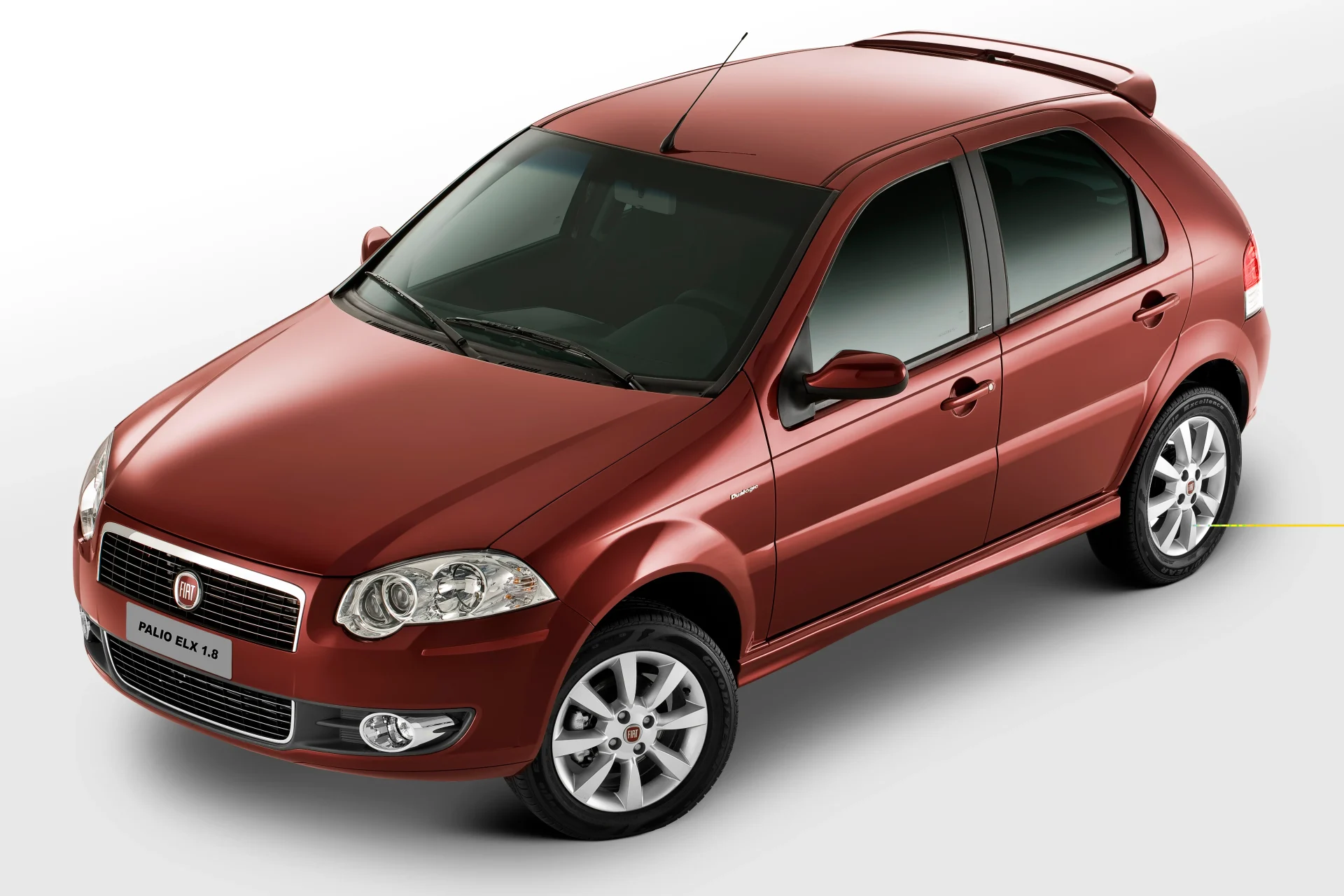
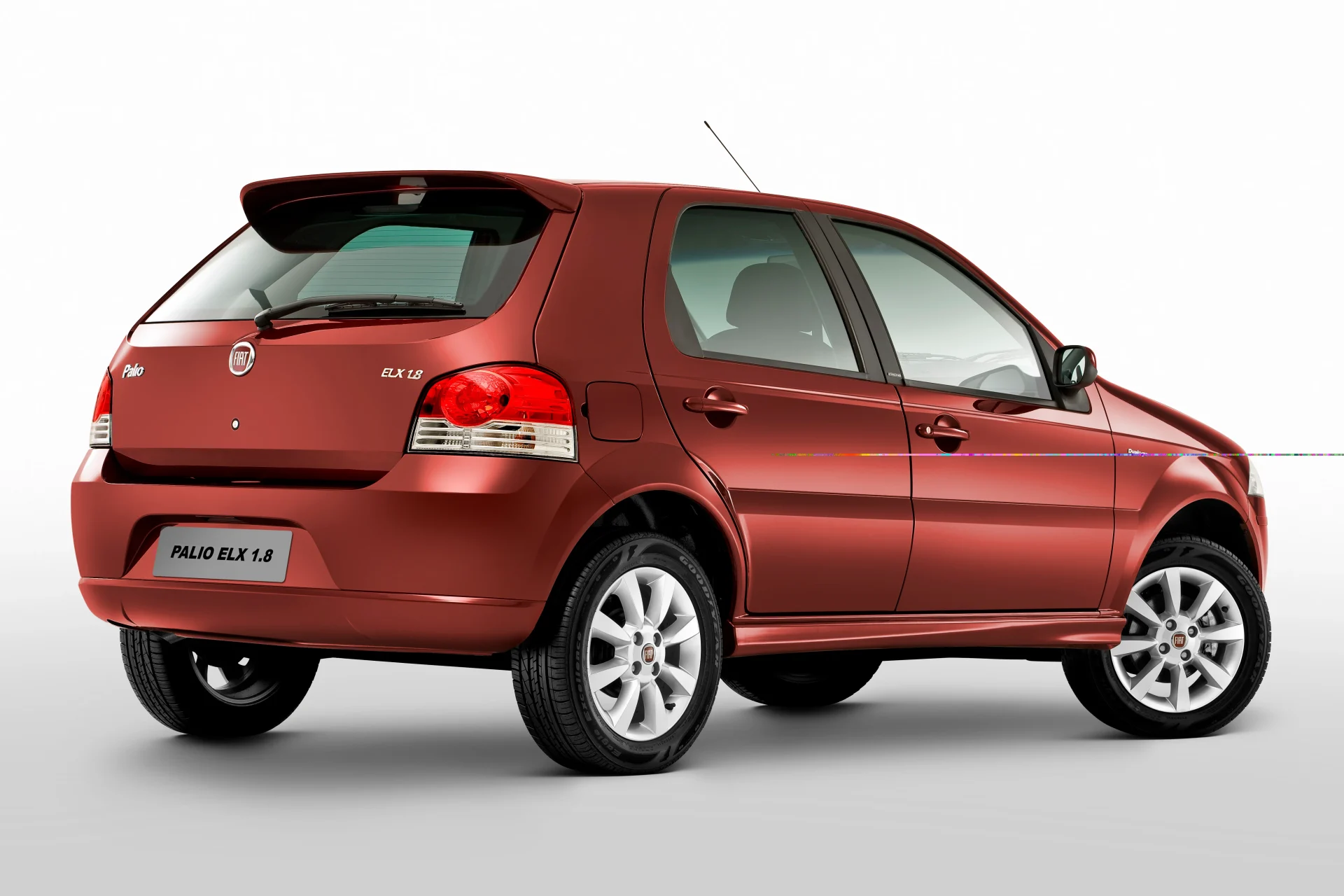
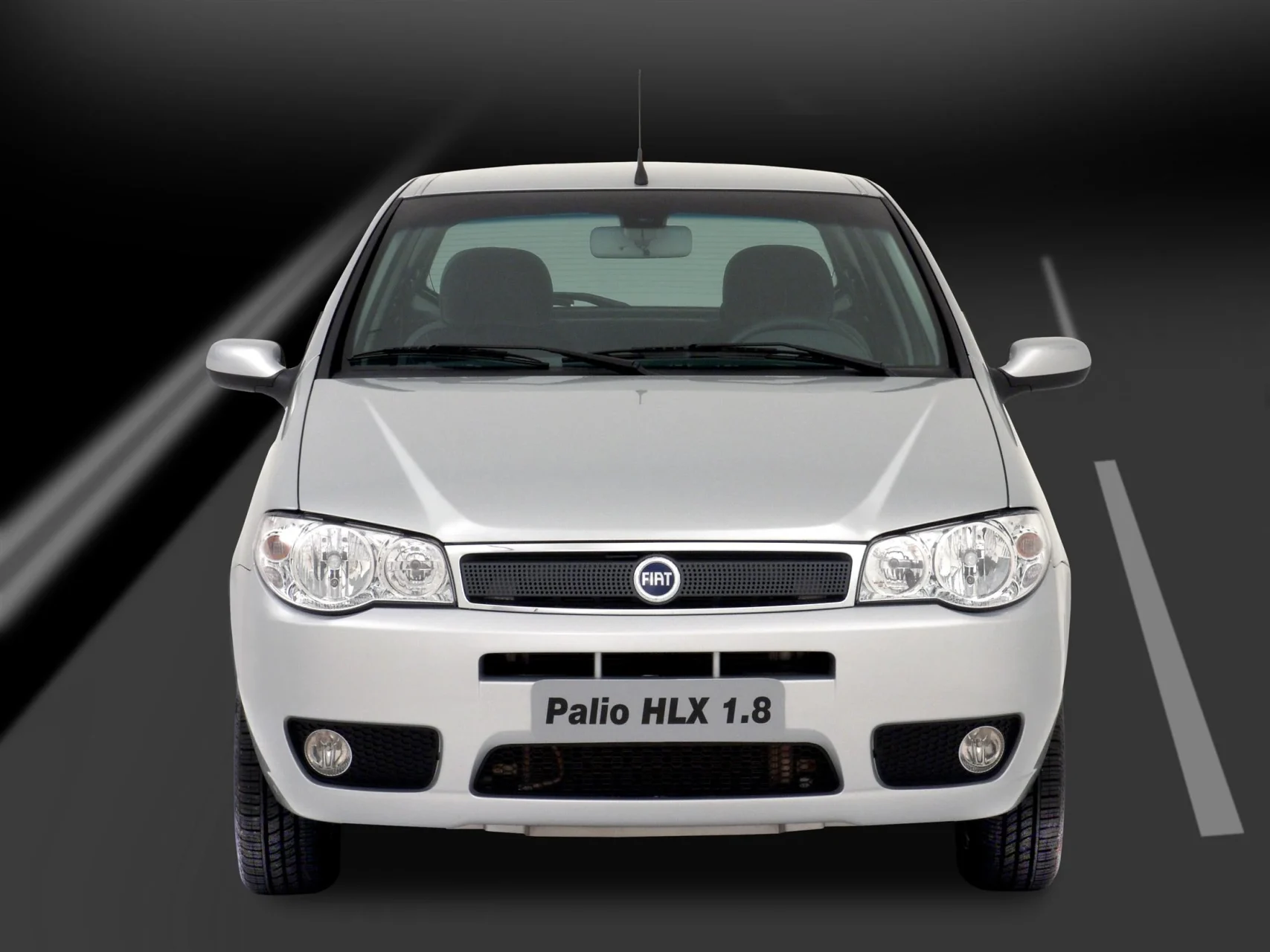
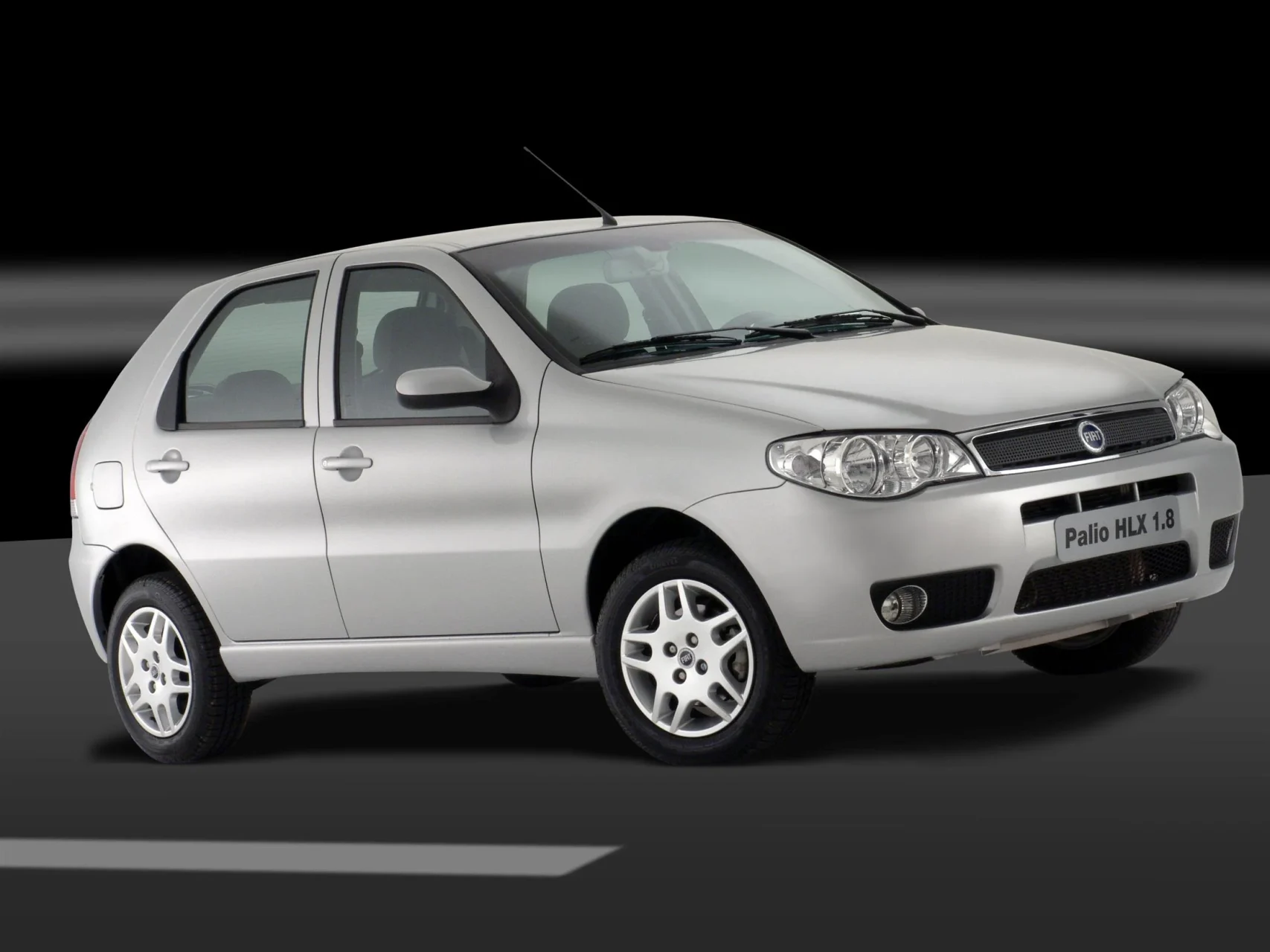
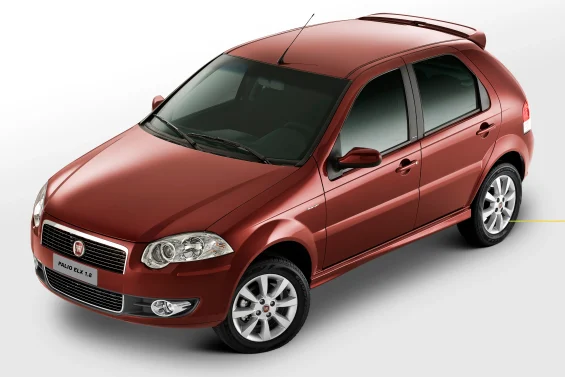
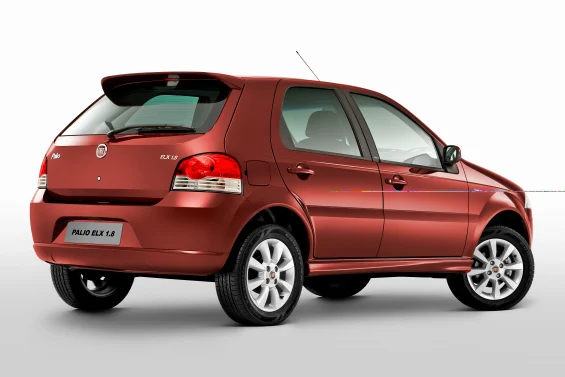
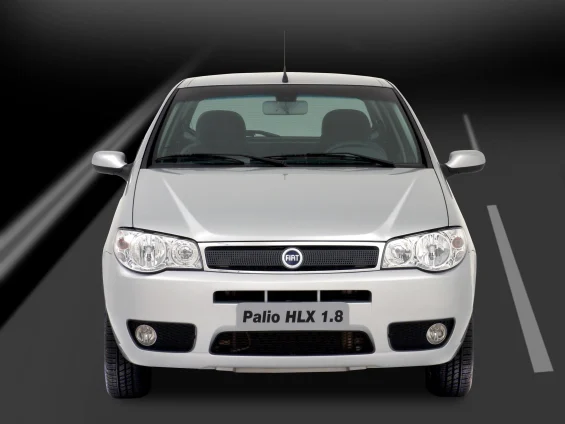
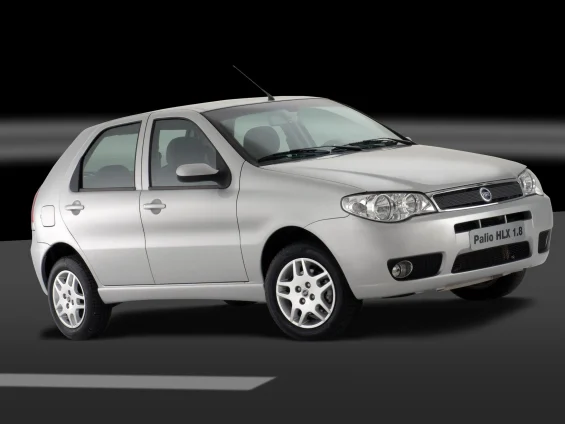
Launched in 1996, Fiat's hatch has evolved over three decades with technology, restyling and striking versions
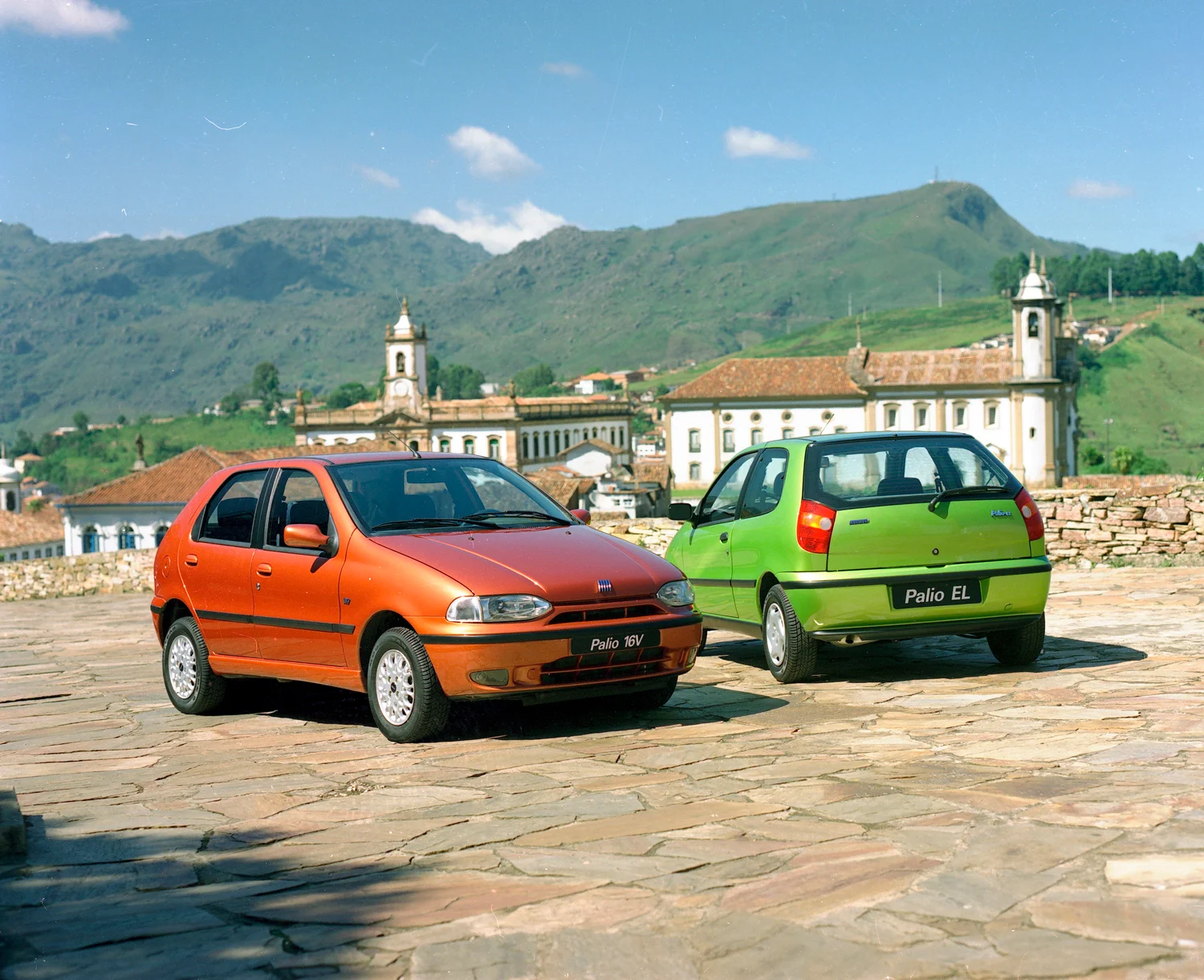
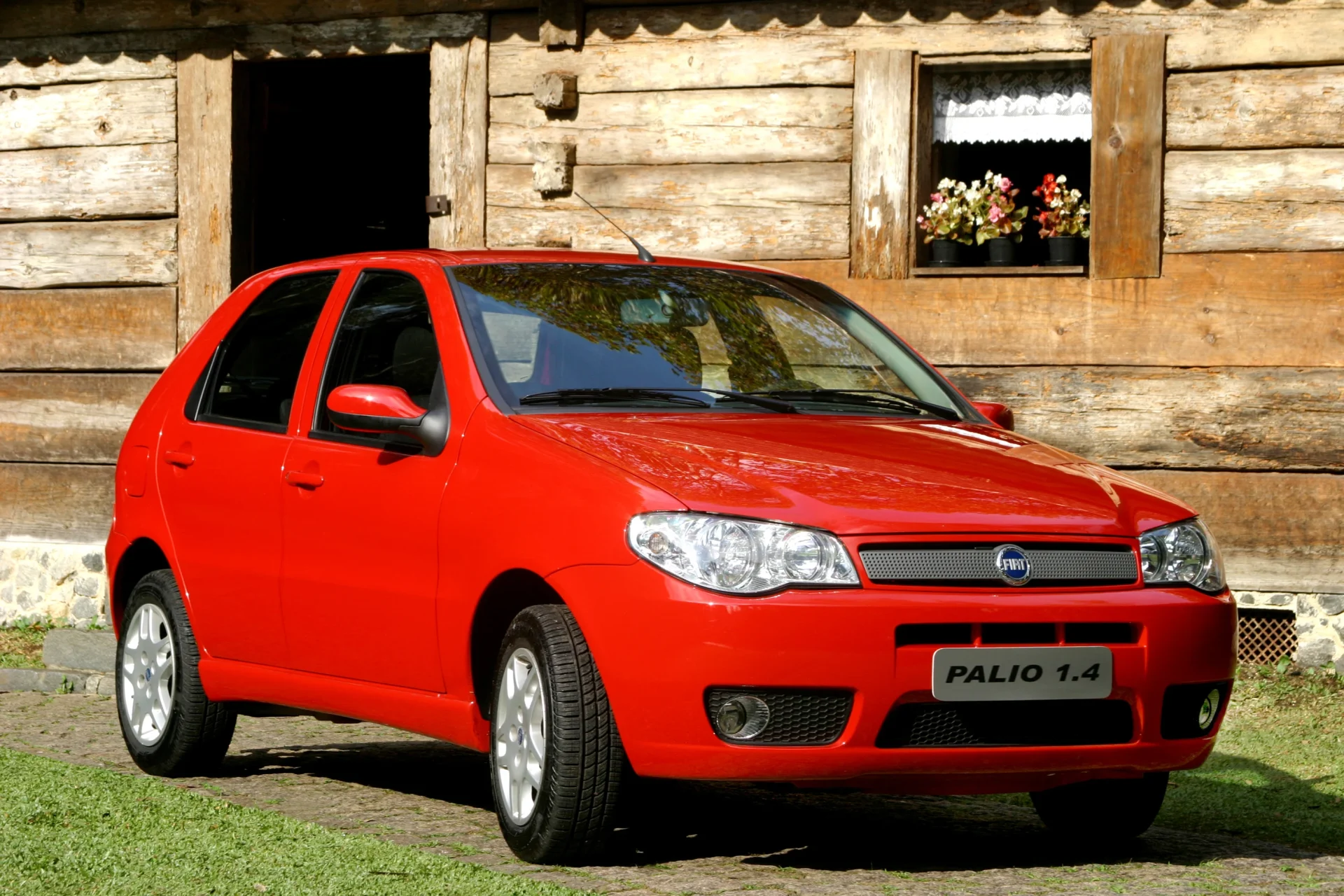
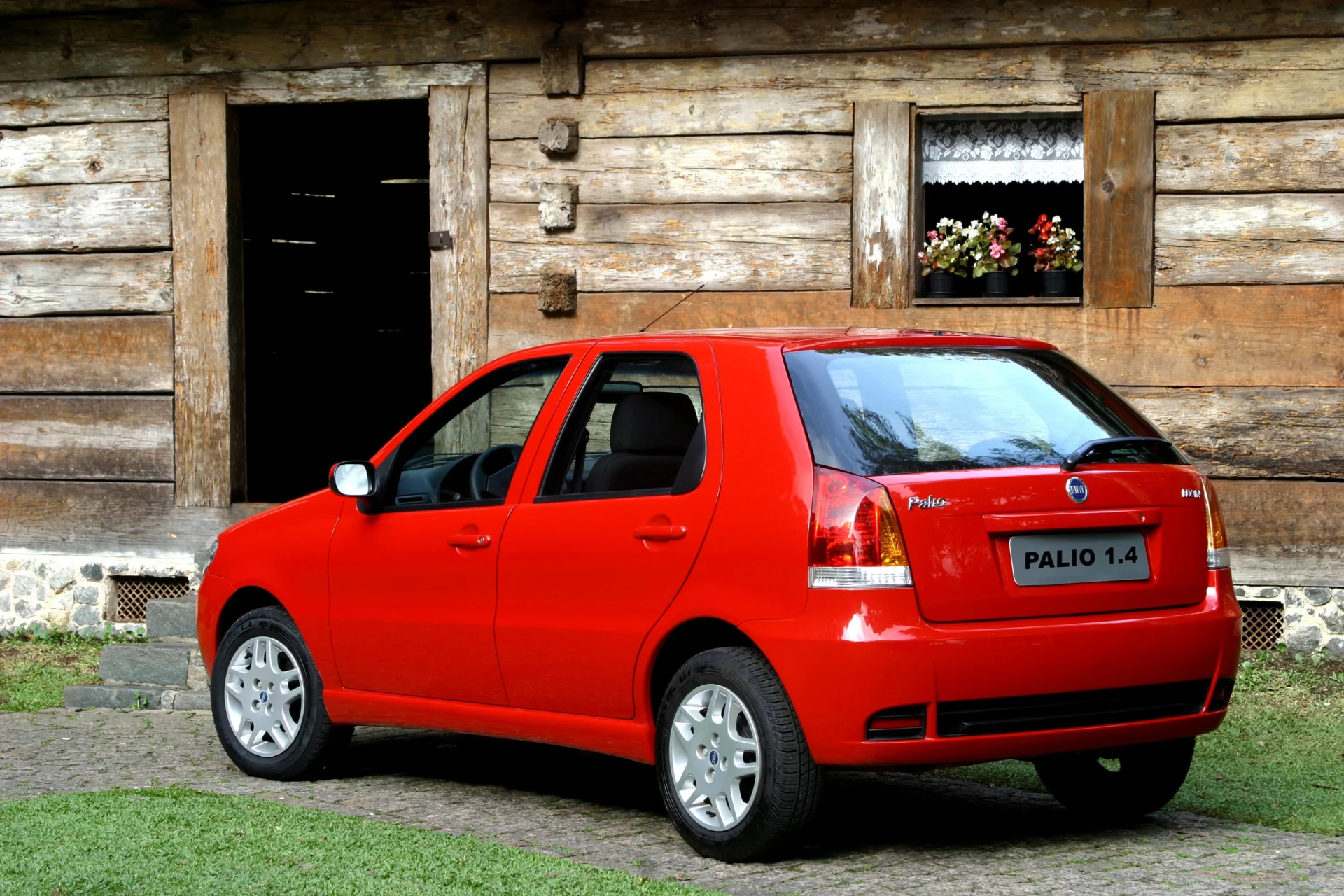
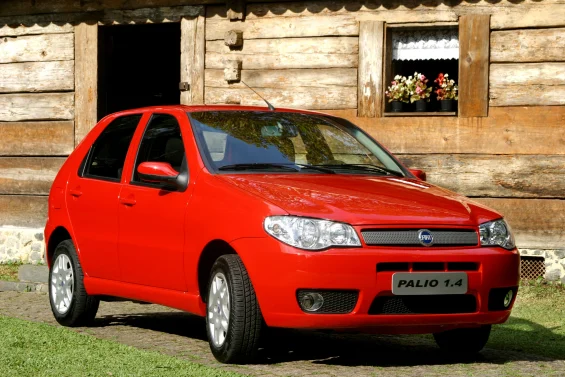
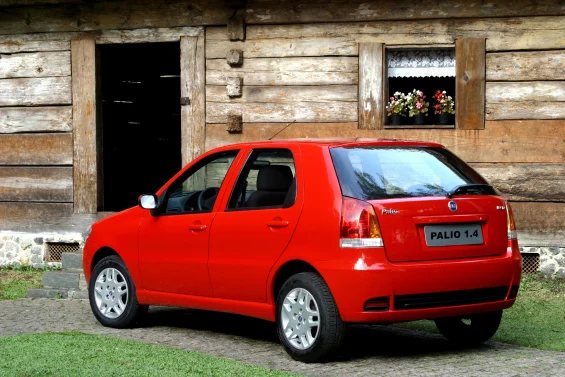
The Fiat Palio completes 30 years as one of the most emblematic cars in the Brazilian automotive industry. Launched in 1996, the model quickly conquered space in the hearts of Brazilians for its performance, comfort and robustness and began to dominate the country’s streets.
The project had the collaboration of the IDEA Institute, in Turin, and the Fiat Style Center, resulting in a design in line with the trends of the time and practical solutions, such as better internal use. From the beginning, the model also stood out for democratizing technologies, being one of the first compacts to offer airbags and ABS brakes, raising the safety standard in the country.
SEE ALSO:
Over the years, the Palio has undergone constant evolutions. In 2000, it received its first restyling, signed by Giorgetto Giugiaro, with visual changes and technical improvements. The line continued to expand with new engines, more equipped versions and the introduction of flex technology, which increased its competitiveness in the market.
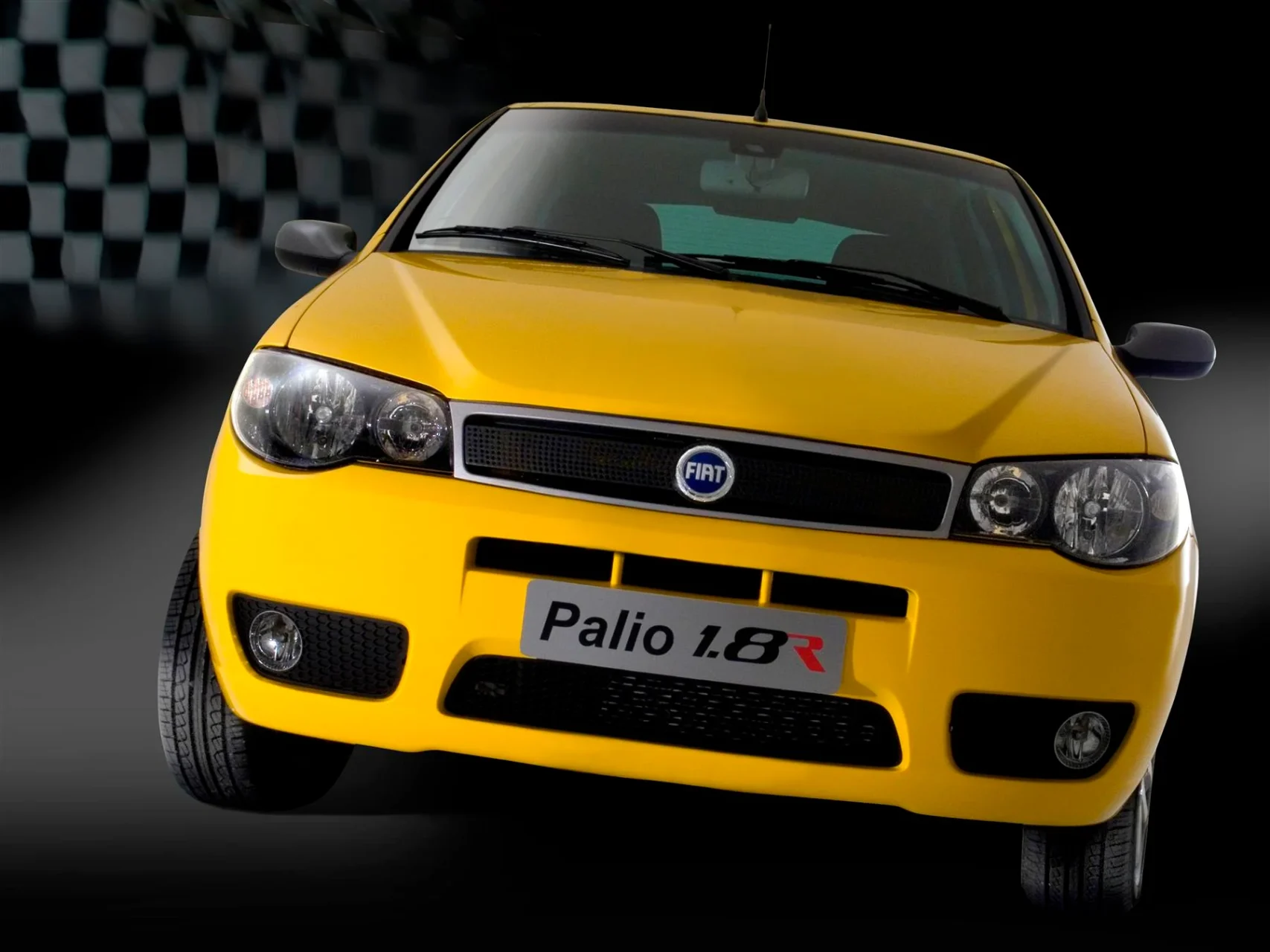
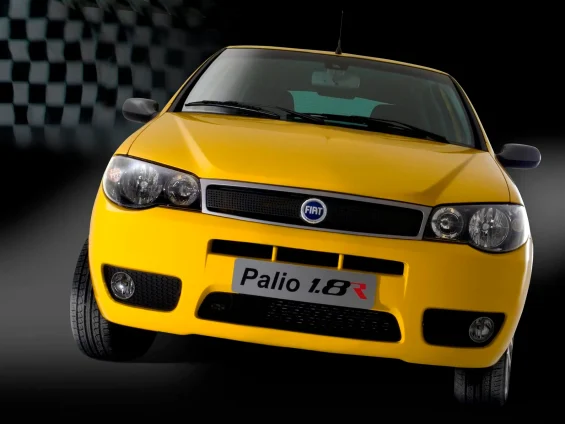
In 2002, the Palio Fire reinforced the accessibility proposal, focusing on low consumption and simple maintenance, becoming one of the most popular options in the segment. Versions such as the 1.8 R added a sporty character to the line, while later updates brought more comfort and connectivity.
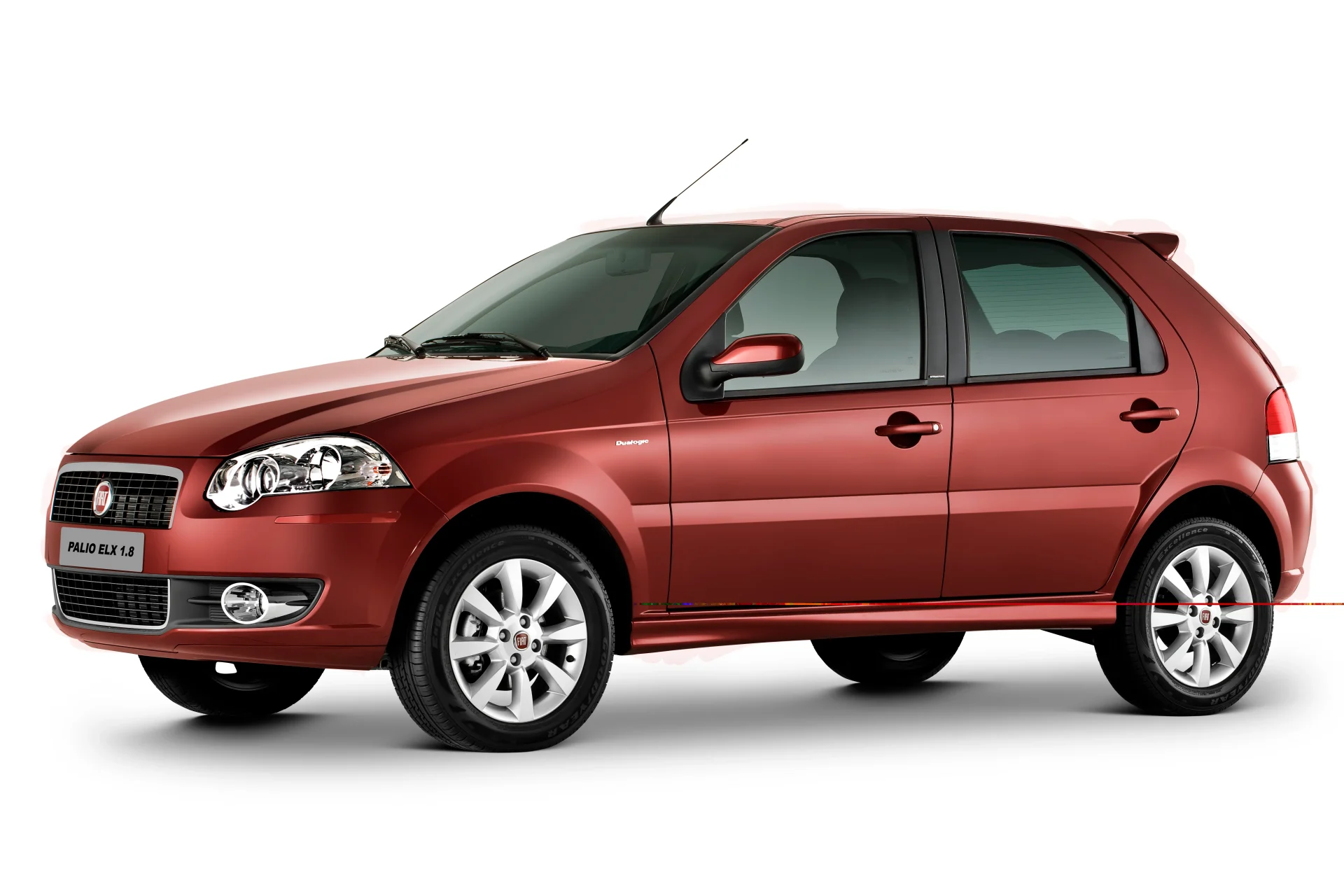
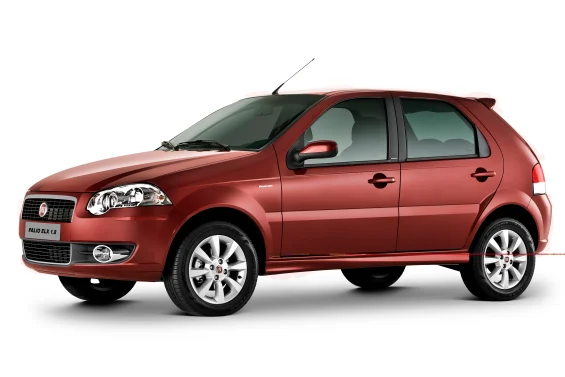
In addition to commercial success, the model was also highlighted in competitions. From 1997, the Palio participated in rally championships, accumulating 28 titles and reinforcing its image of reliability. The second generation, launched in 2011, brought a renewed design (inspired by the Punto), more interior space and new equipment, keeping the model competitive in the face of market changes.
After thirty years on the market, the Palio remains an icon among compacts and a Fiat landmark in the country.