50% savings in production do not justify loss of focus behind the wheel, says Ferrari CEO; brand prepares 'analog' interior for its first electric
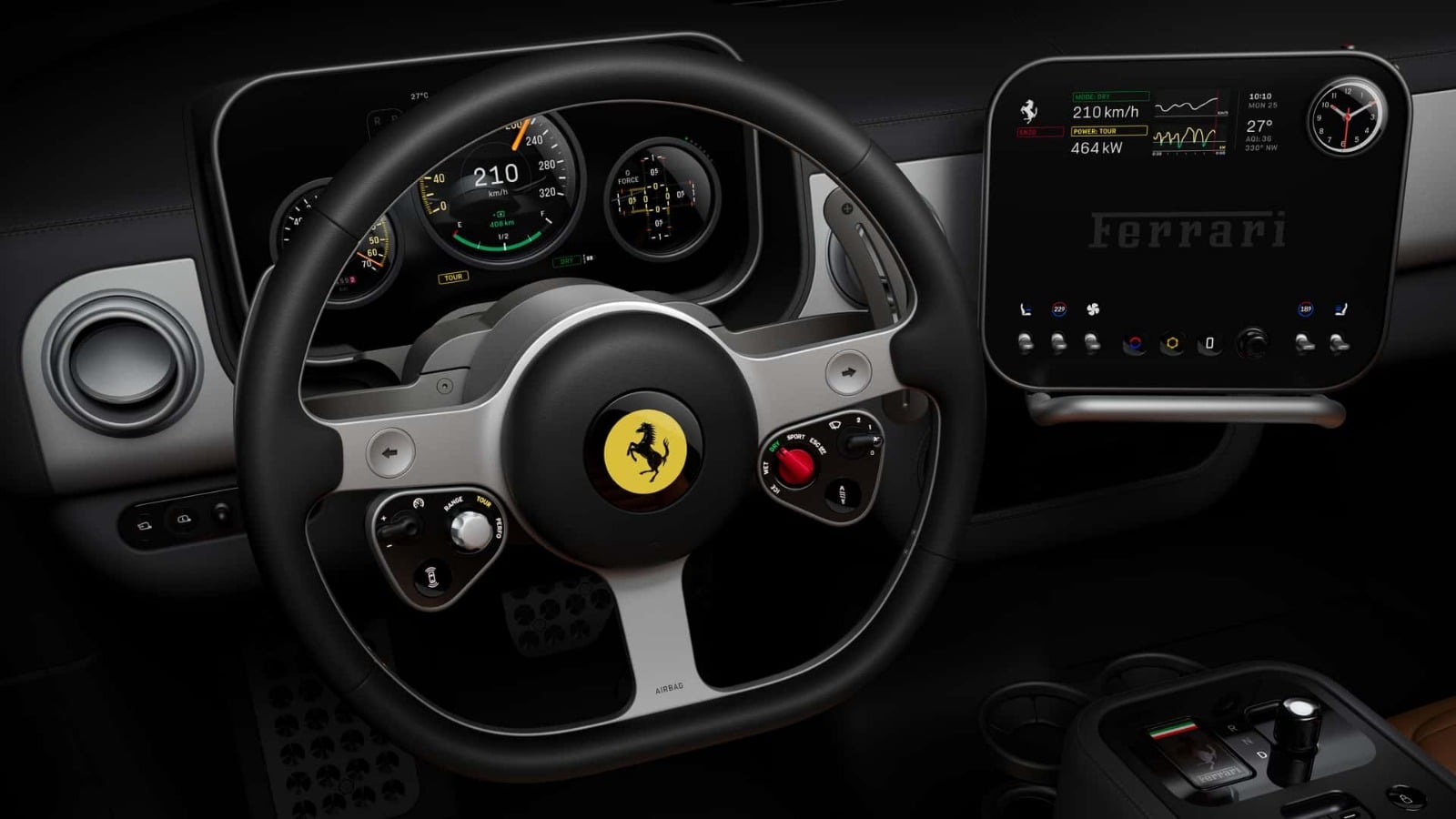
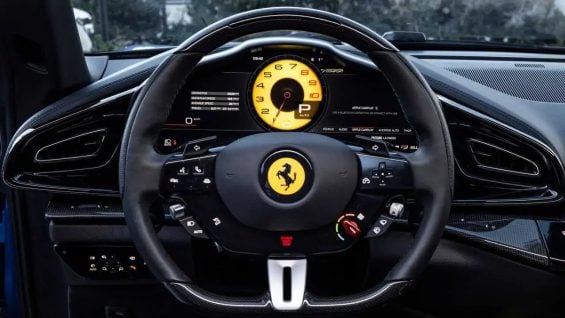
Ferrari has announced a strategic shift in the interior design of its vehicles by deciding to gradually abandon touch-sensitive controls in favor of traditional physical buttons. The measure, confirmed by CEO Benedetto Vigna to Autocar India, seeks to rescue the tactile experience and functional precision, correcting what customers and critics considered an unnecessary technological distraction in the cockpit.
In recent statements, Vigna laid out the economic rationale behind the proliferation of screens in the automotive industry: manufacturing keys and touch panels costs approximately 50% less than producing conventional physical mechanisms. According to the executive, the trend was driven by the search of suppliers and automakers for higher profit margins, often to the detriment of real usability for those who drive.
SEE ALSO:
For the Maranello house, however, the economy of scale does not justify the loss of ergonomics. The brand will even offer a retrofit kit for models such as the Purosangue and the 12Cilindri, allowing owners to replace tactile steering wheel modules with mechanical controls. The “tailor-made” solution aims to avoid standardization inspired by consumer electronics, reinforcing the high-performance identity. New launches, such as the Amalfi and the 849 Testarossa, should already adopt this factory philosophy.
The apex of this transition will be the Ferrari Luce, the manufacturer’s first all-electric model. The interior of the vehicle is being developed in collaboration with LoveFrom, a design collective led by Jony Ive. The designer, a former Apple and one of those responsible for popularizing touch interfaces in smartphones, now argues that the technology does not belong to the automotive environment, where the focus should remain on the road.
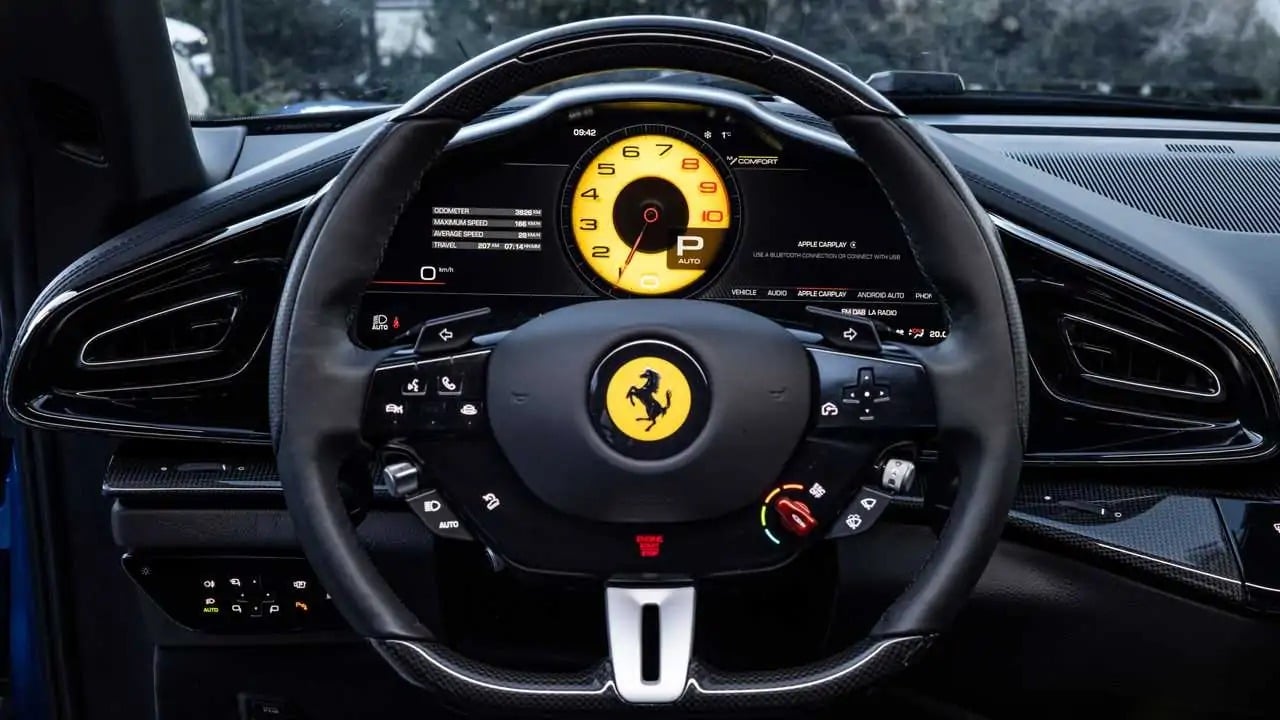
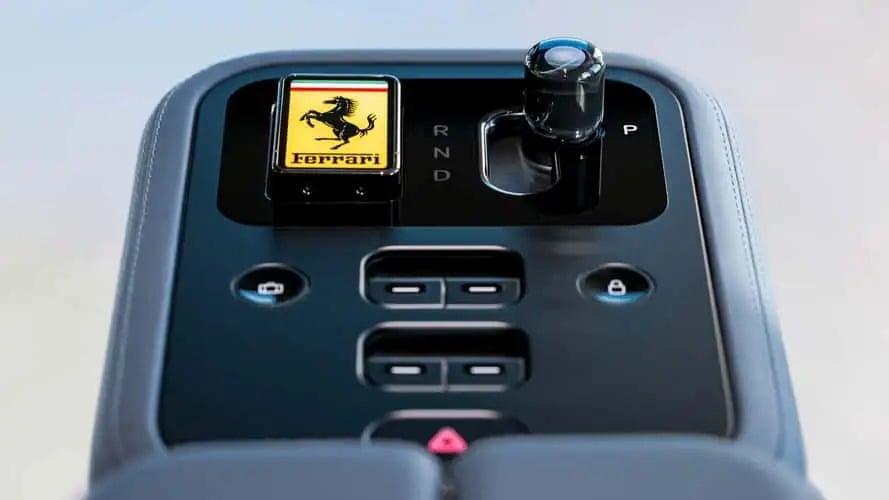
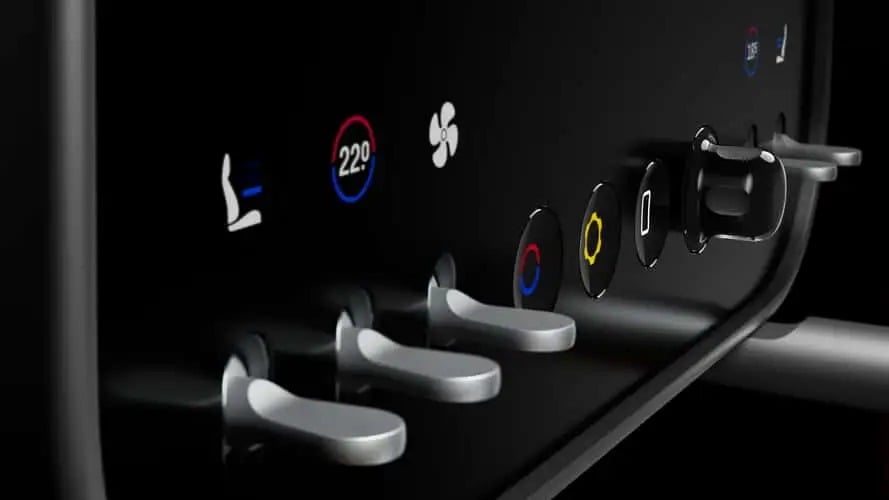
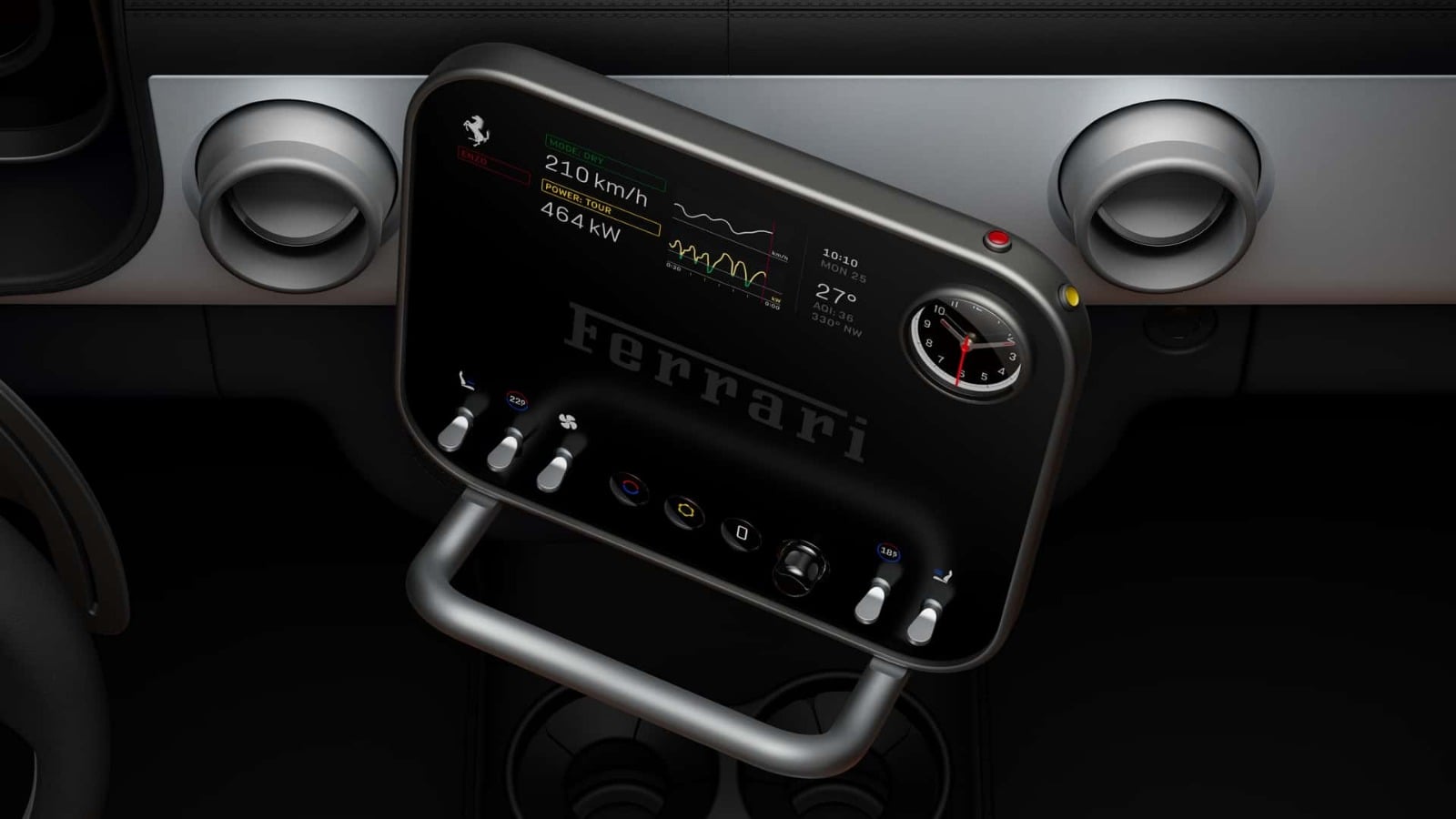
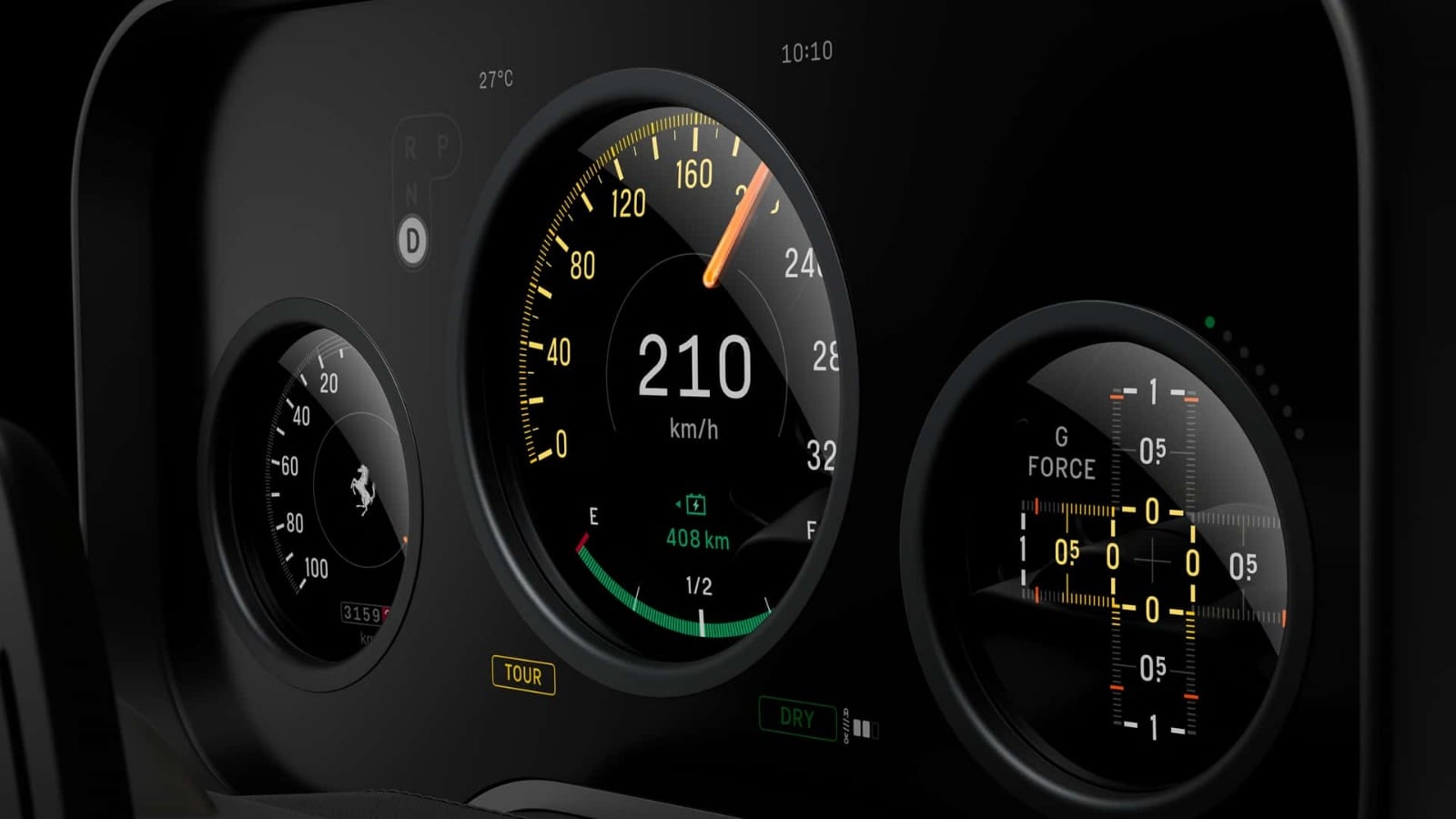
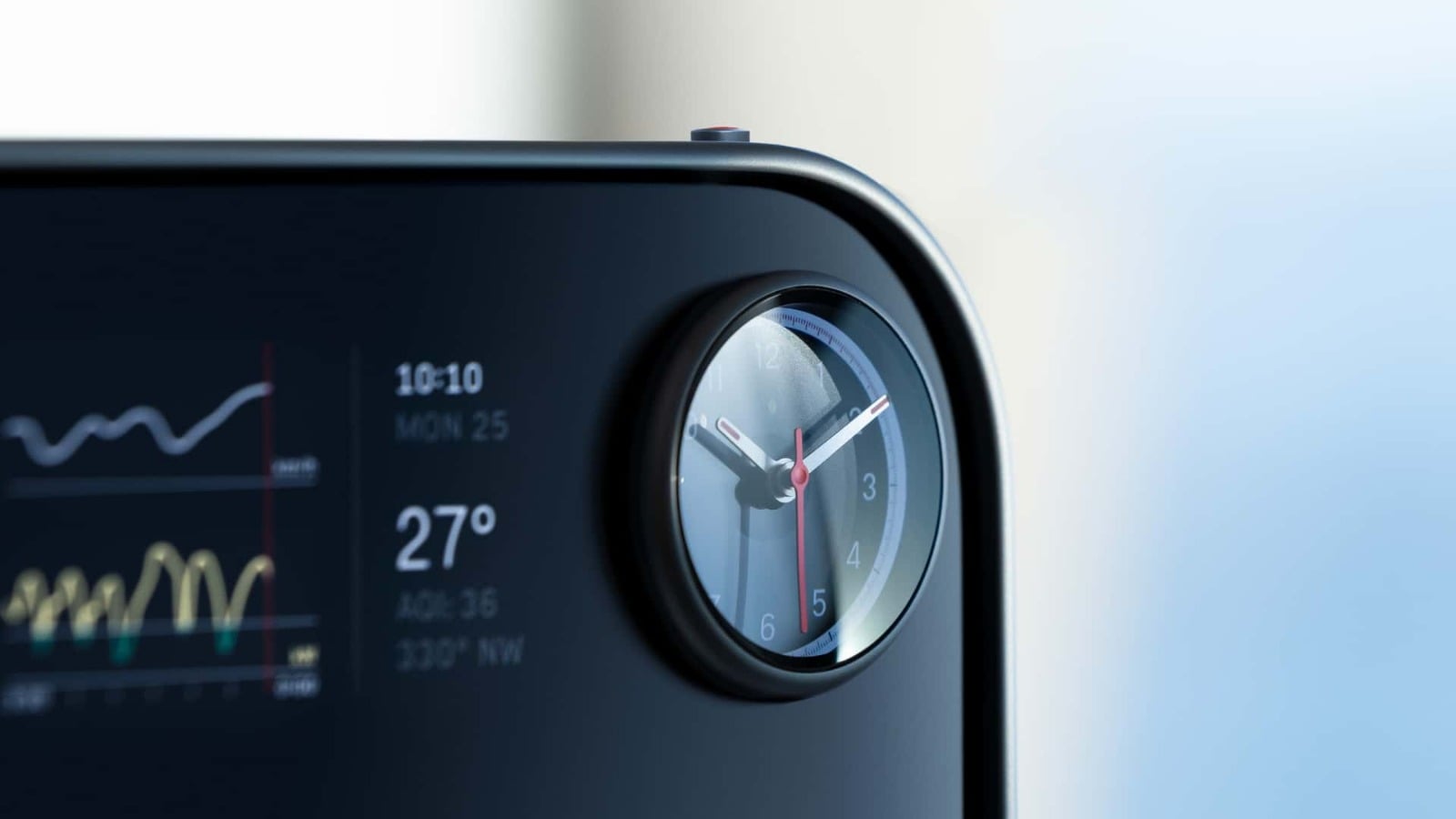
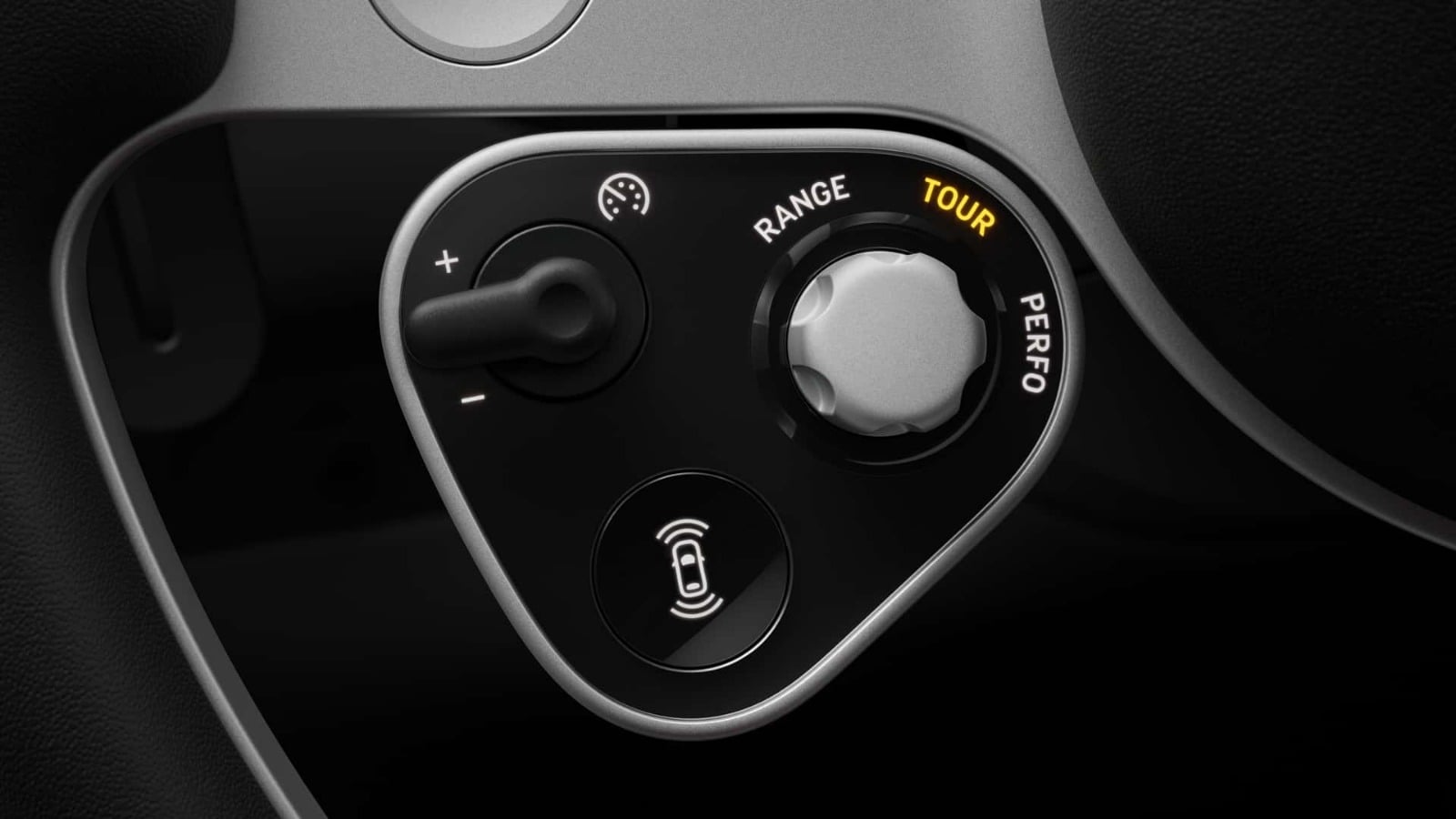
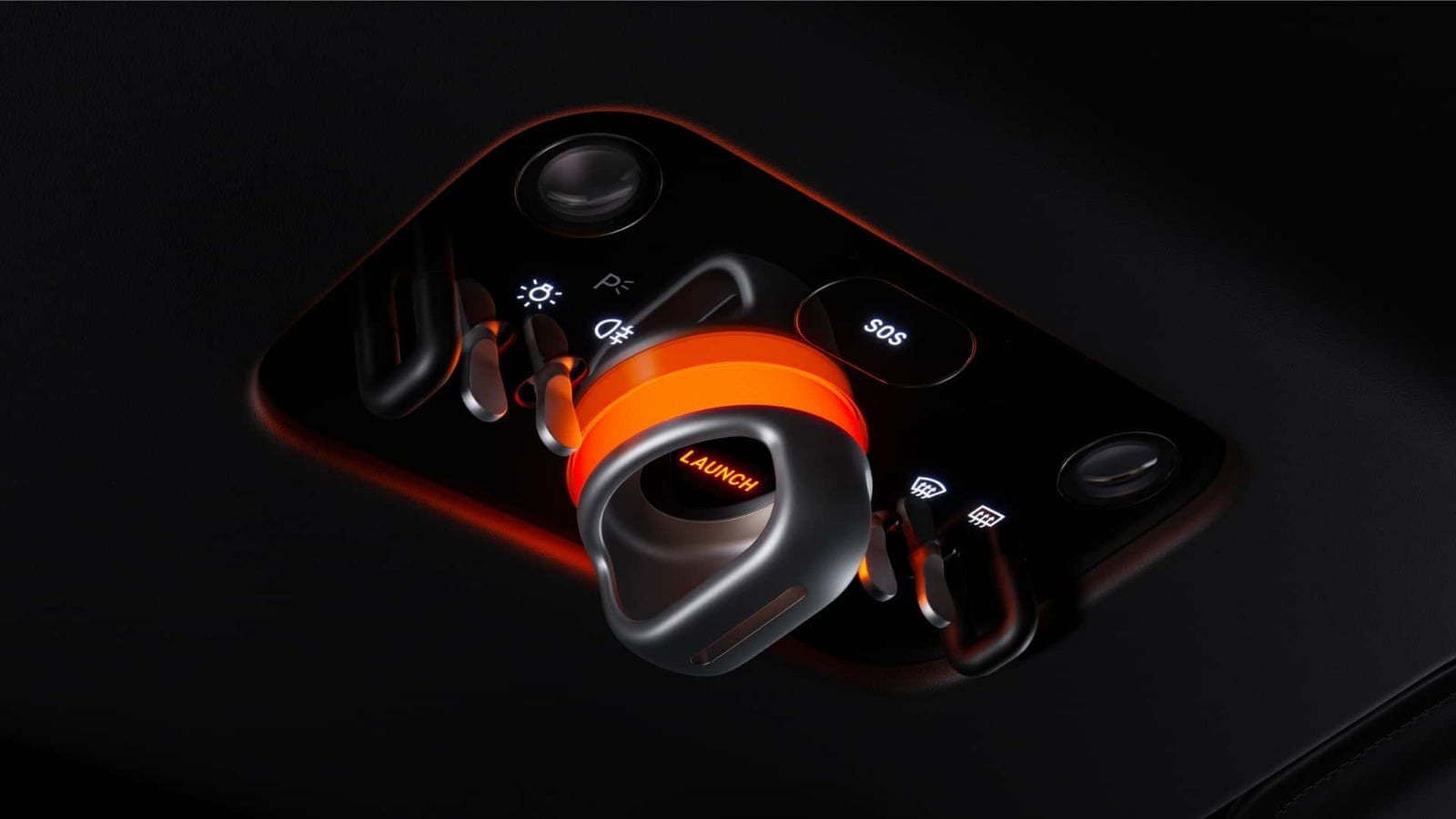
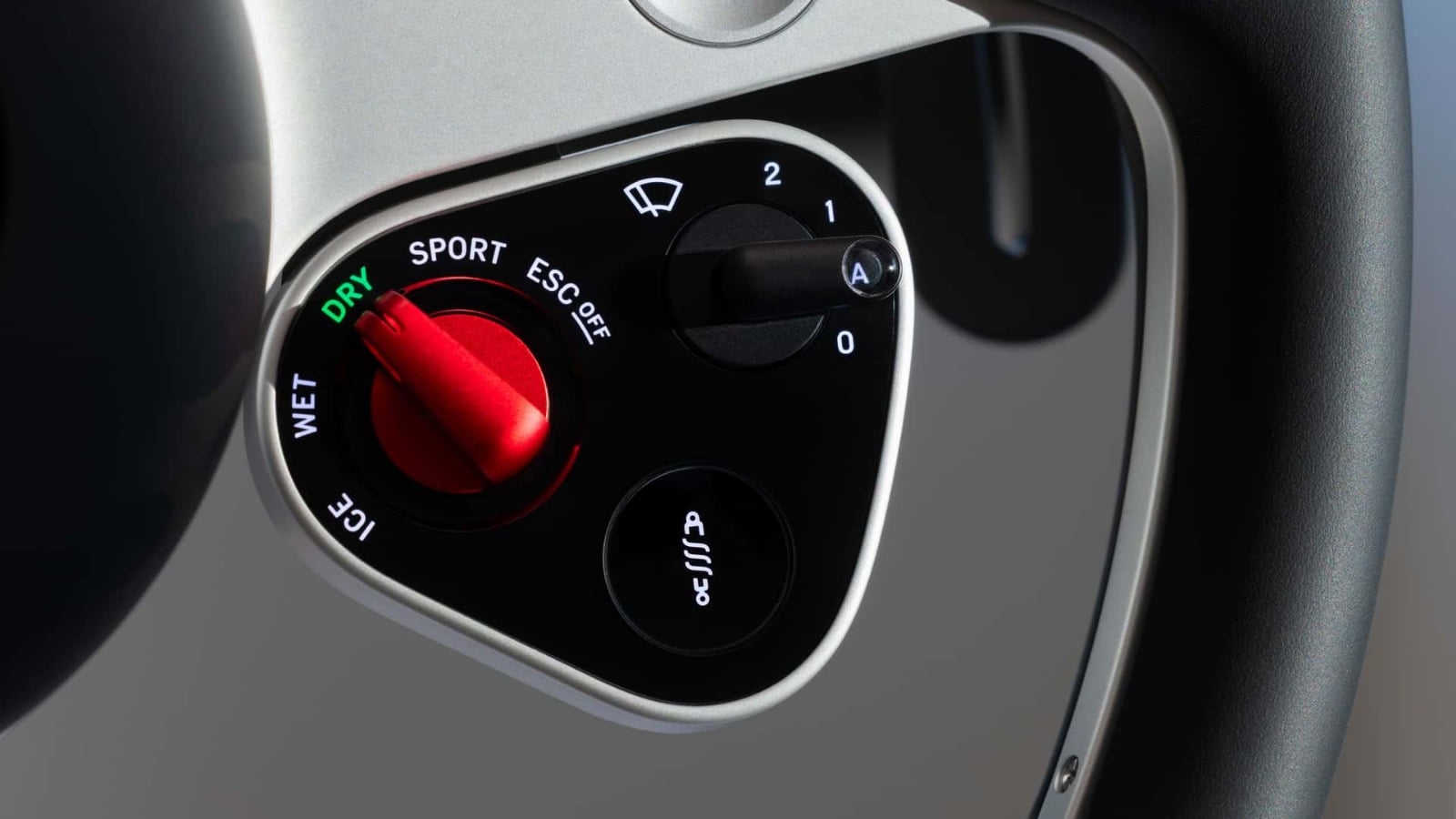
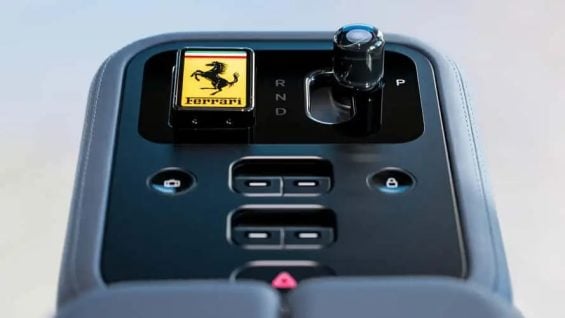
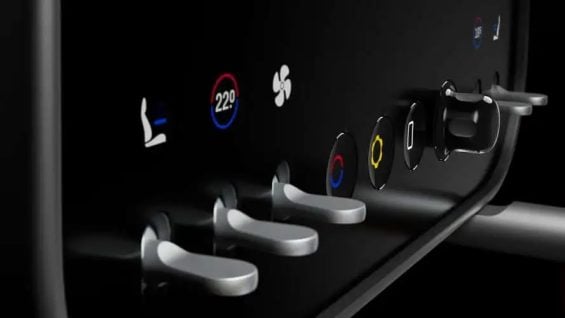
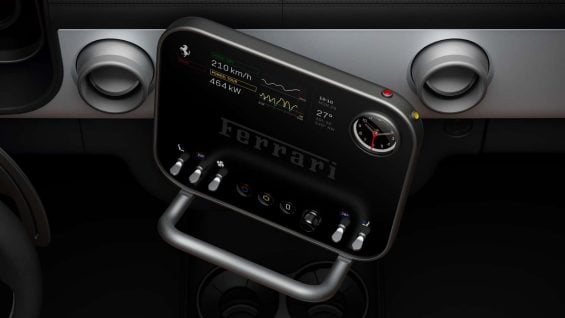
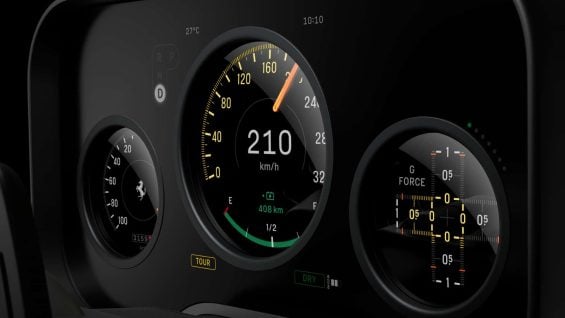
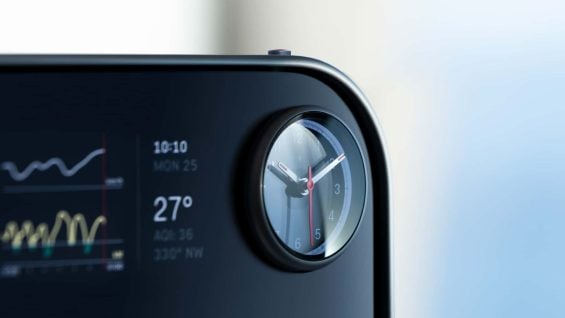
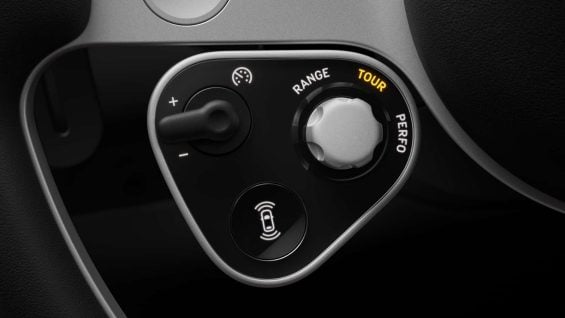
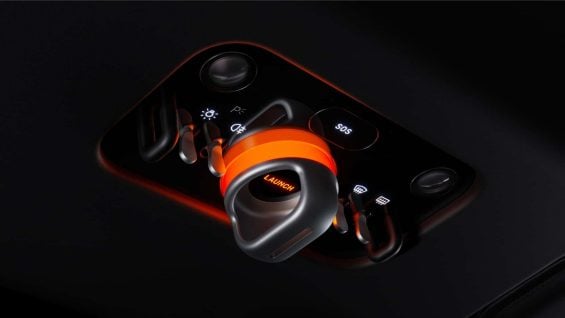
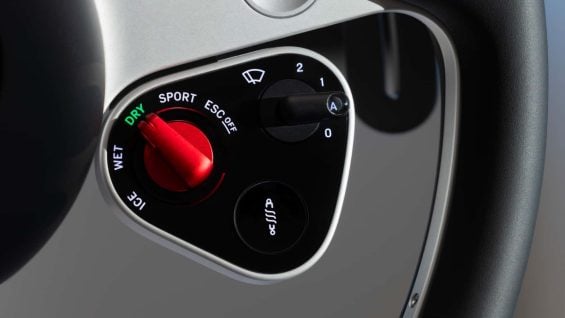
Luce’s project provides dedicated controls made of aluminum and glass for critical functions such as climate control and driving modes. Although it raises the cost of production, the choice reinforces the brand’s luxury positioning. It is estimated that the model will hit the market with a price of around US$ 500 thousand (approximately R$ 2,5 million), combining the propulsion of the future with the pleasure of classic driving.



