Technical regulation introduces scheme with five light points to expand signaling amid greater electrification of engines
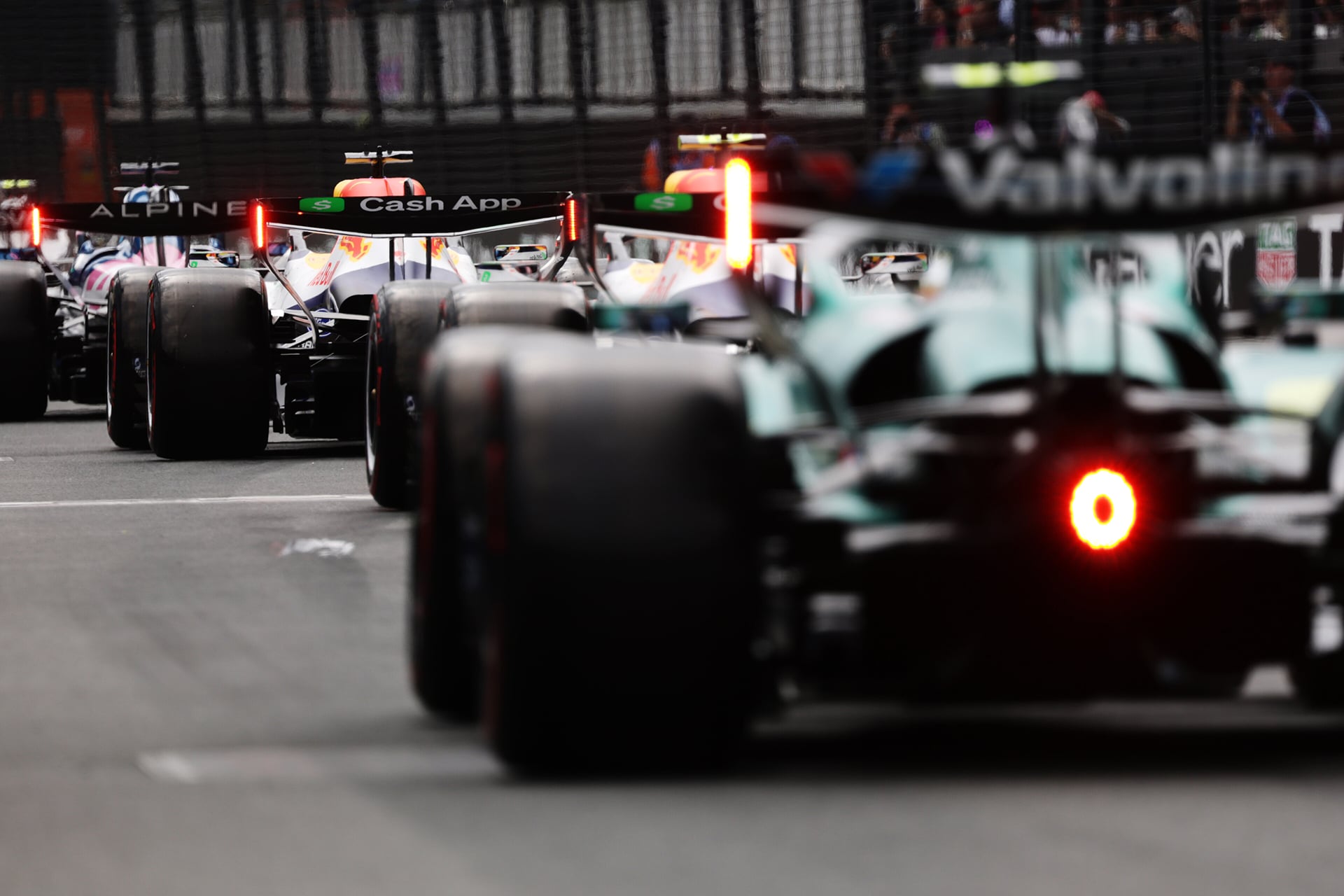
The 2026 Formula 1 season brought a sensitive visual change for the public and strategic for the drivers: the introduction of a new lighting system in the cars. The novelty is part of the long-awaited technical regulations of the category, which also provides for smaller, lighter vehicles with greater prominence of electric energy in the hybrid set.
Until 2025, light communication basically consisted of a flashing red light at the rear — activated in the rain or during energy harvesting — and LEDs at the wing ends. With the new guidelines of the International Automobile Federation (FIA), the scheme now has five strategically distributed light points: two at the front and three at the rear.
SEE ALSO:
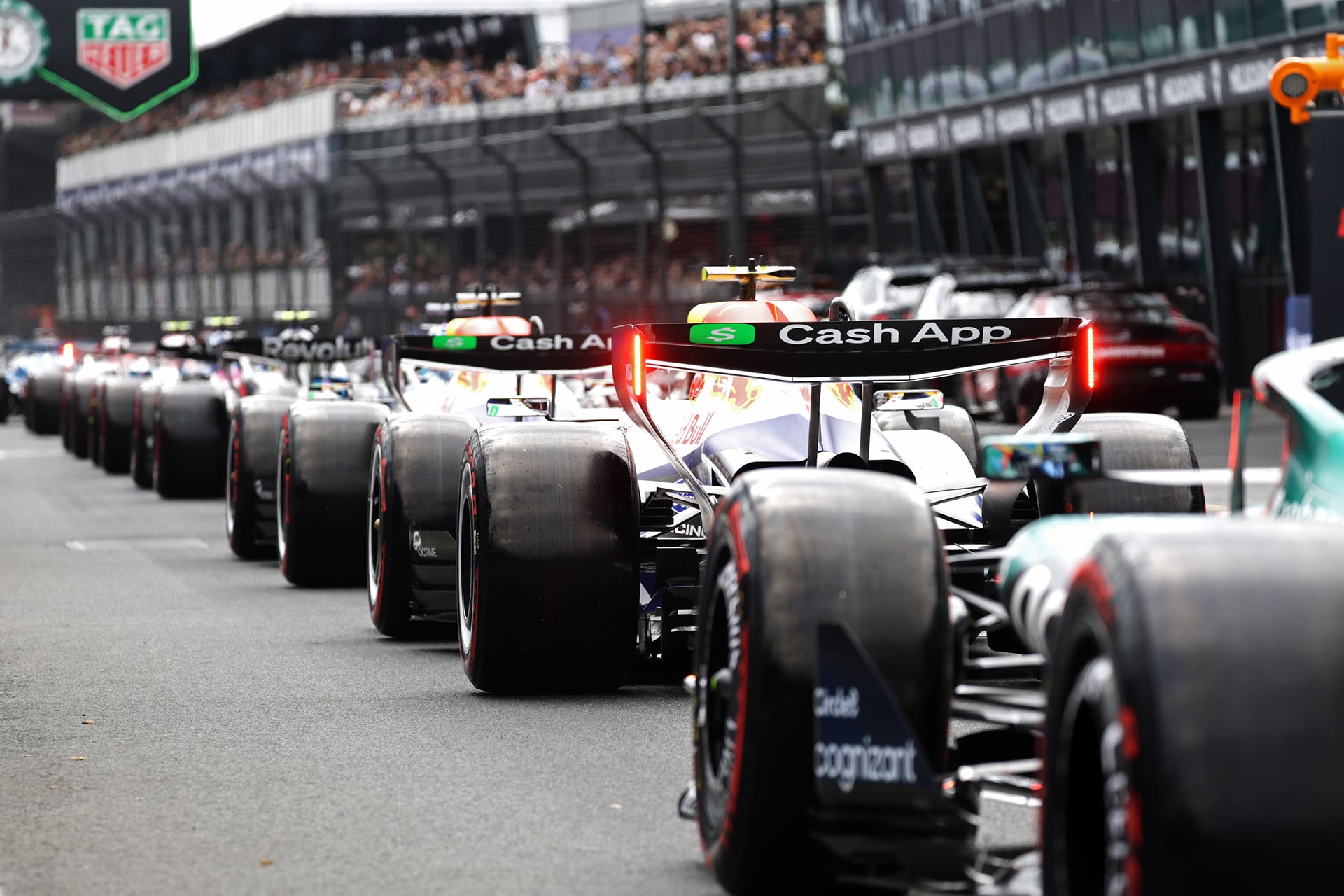
At the front, two amber lights were attached to the rearview mirrors, ensuring side and front visibility. They light up automatically when the car travels below 20 km/h, is immobilized on the track or during the starting procedure, with the gearbox in neutral. The system also changes colour if the single-seater is driven by a driver without the full FIA Super Licence.
In the rear section, the traditional rectangular module was replaced by an oval central LED light, mounted on the impact structure and integrated into the camera and microphone. The component indicates critical scenarios of the race, such as the presence of the safety car, sections of low grip and the activation of the speed limiter.
The most tactical innovation, however, is in the reading of the hybrid system (MGU-K). The rear light, together with two vertical stripes on the wing mounts, now details the battery situation. A single blink warns that the car delivers reduced power; two flashes indicate absence of electrical supply; Fast flashes reveal that the vehicle is regenerating energy while the combustion engine operates at full load.



