End of the mess on bike paths? What changes with Rio’s new mobility decree
Municipal legislation prohibits mopeds on bike paths and makes the use of helmets mandatory; Industry association criticizes the measure for traffic risk
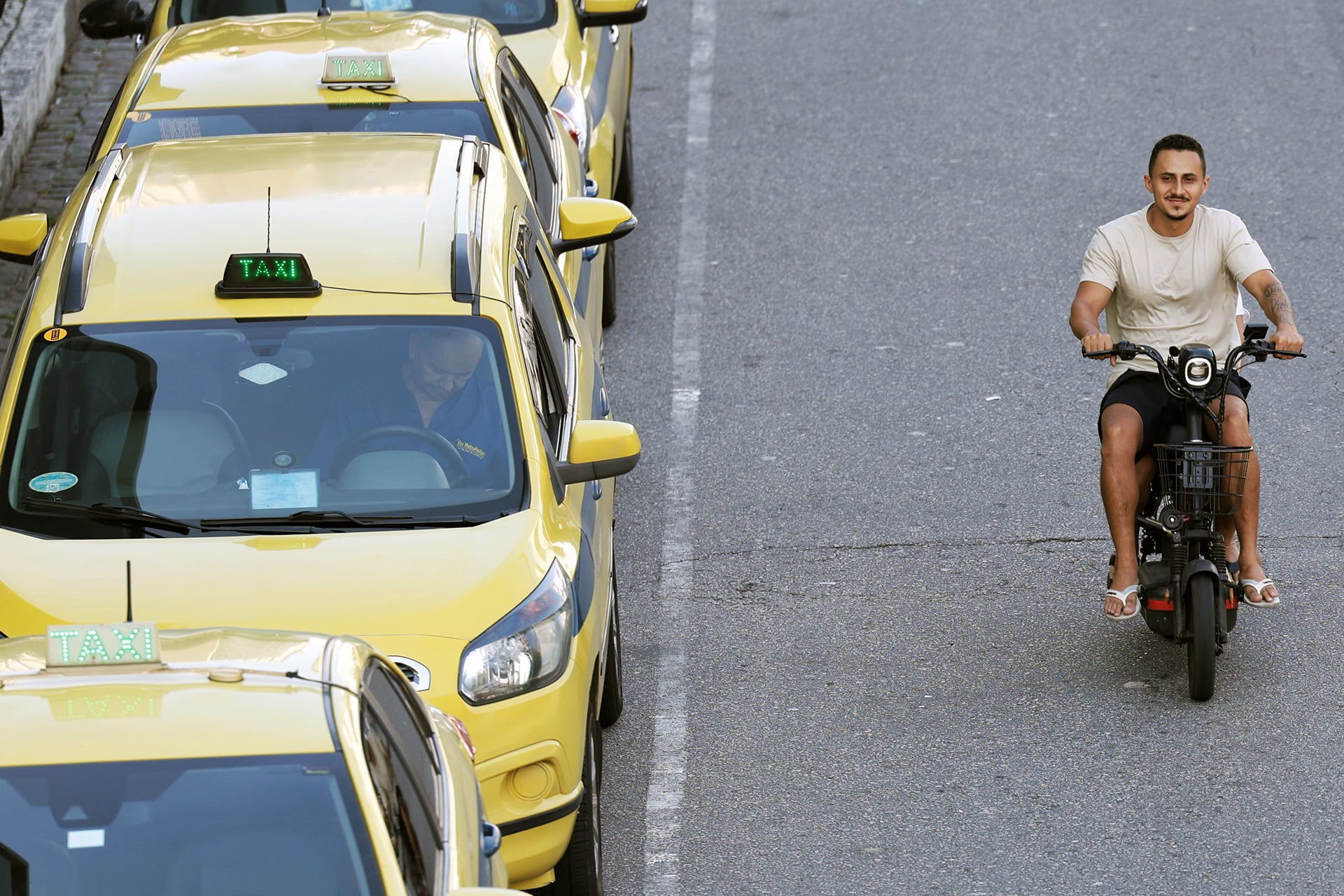
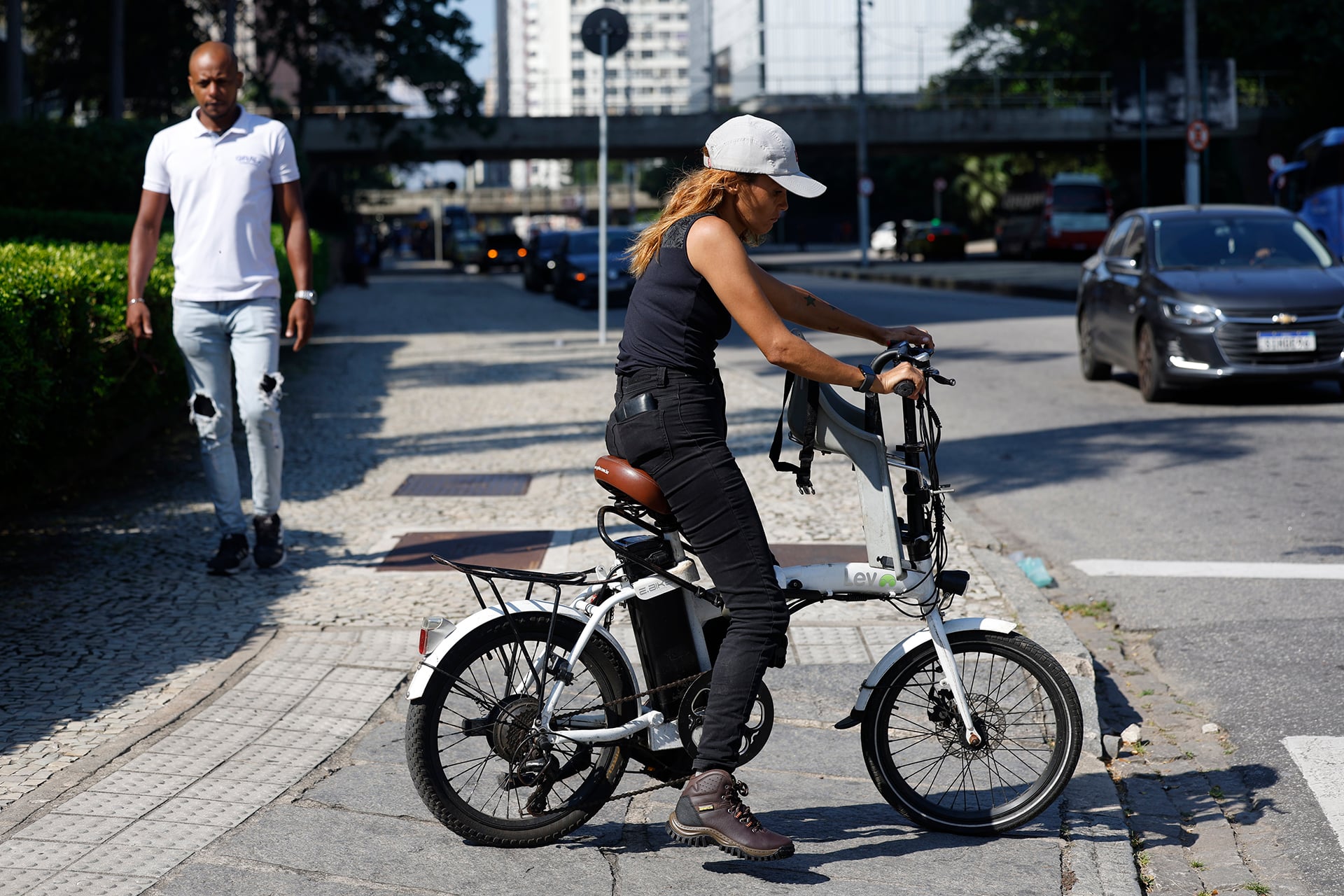
Equipment that moves without pedals is banned from Rio's bike lanes (Photos: Fernando Frazão | Agência Brasil)
By
Tom Schuenk Published on 2026-04-09 at 02:00 PM
Updated on 2026-04-09 at 02:25 PM
The City Hall of Rio de Janeiro published Decree No. 57,823/2026, which fully redefines the circulation rules for electric ‘micromobility’ in the capital of Rio de Janeiro. The objective of municipal management is to organize urban road space and reduce accidents involving electric bicycles, scooters and mopeds. However, the Brazilian Electric Vehicle Association (ABVE) has publicly criticized the measure, claiming that the new restrictions expose drivers to greater risks by pushing them into heavy traffic.
The new municipal legislation gained momentum after the repercussion of a fatal hit-and-run in the Tijuca neighborhood. According to the text, the municipality seeks to separate the fastest vehicles from the traditional flow of cyclists and pedestrians, establishing strict safety requirements, circulation lanes and standardization of modes.
For electric bicycles, flexibility is greater and bike lanes are still allowed
The standards divide equipment into distinct categories (self-propelled, electric bicycles and mopeds), applying specific rules for each one. Key changes include:
Mopeds outside the bike lanes: vehicles with accelerators, which move without physical effort from the driver, are banned from bike lanes and bike lanes. They must use common roads of up to 60 km/h on the right edge, requiring registration, CNH in category A and a minimum age of 18 years.
Limits for bicycles and electric scooters: they are still allowed on bike lanes, as long as they respect the speed limit of 25 km/h. Circulation on sidewalks has been prohibited for everyone.
Protective equipment: the use of a helmet is now mandatory for all drivers and eventual passengers, regardless of the type of electric vehicle.
Rules for passengers: it is strictly forbidden to take a ride on electric scooters. On electric bicycles, the transport of passengers is only allowed if there is an extra suitable seat.
Despite the city’s effort to reorganize Rio’s traffic, ABVE maintains that the text conflicts with Resolution No. 996/2023 of the National Traffic Council (Contran). For the industry association, by expelling certain light vehicles from the cycling network and forcing them to share the asphalt with buses and cars, the municipal decree penalizes a form of sustainable mobility and creates a scenario of serious road insecurity.
Comments are the sole responsibility of their authors and do not represent the opinion of this site. Comments containing profanity or offensive language will not be published. If you identify anything that violates the terms of use, please report it.