Municipal legislation prohibits mopeds on bike paths and makes the use of helmets mandatory; Industry association criticizes the measure for traffic risk
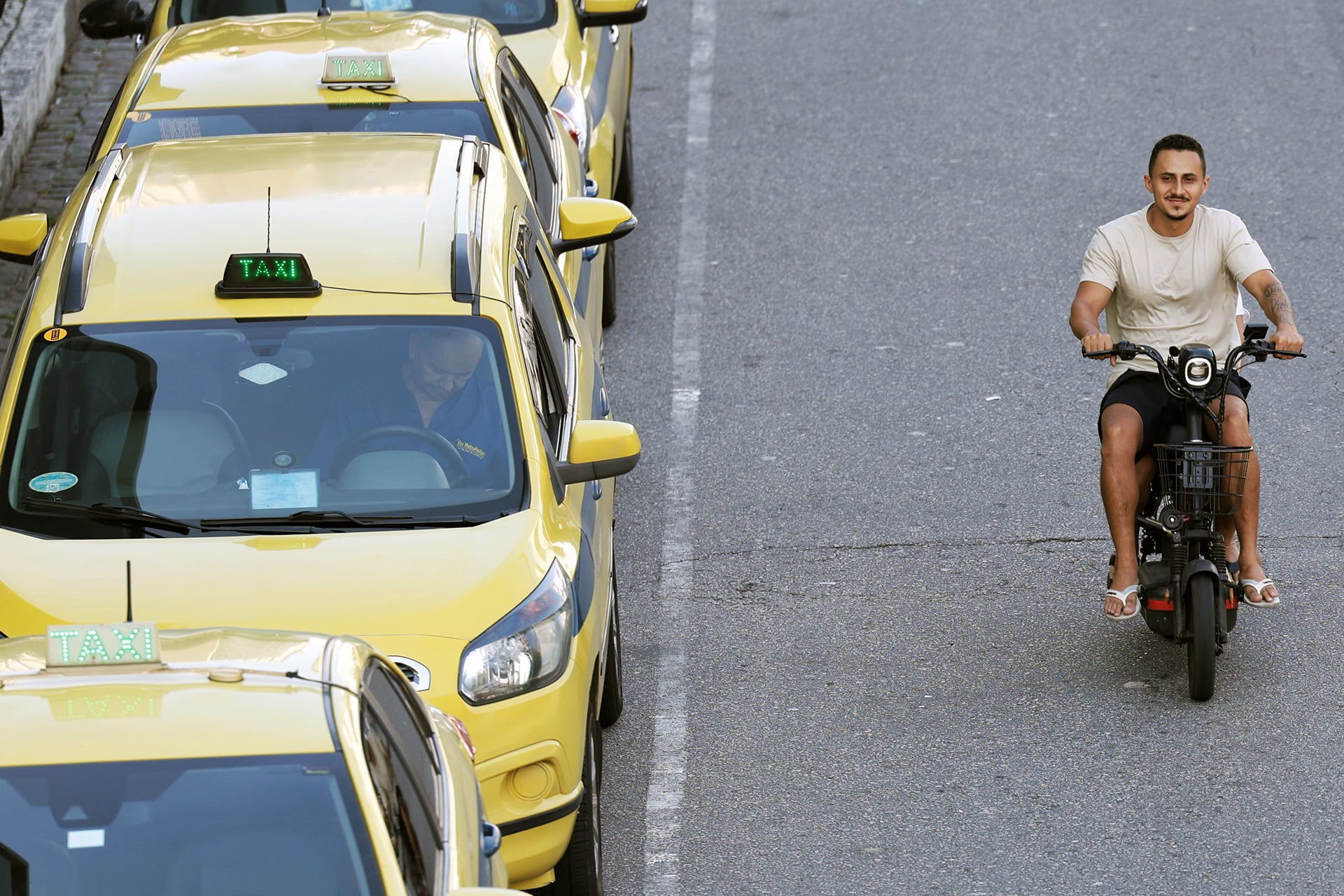
The City Hall of Rio de Janeiro published Decree No. 57,823/2026, which fully redefines the circulation rules for electric ‘micromobility’ in the capital of Rio de Janeiro. The objective of municipal management is to organize urban road space and reduce accidents involving electric bicycles, scooters and mopeds. However, the Brazilian Electric Vehicle Association (ABVE) has publicly criticized the measure, claiming that the new restrictions expose drivers to greater risks by pushing them into heavy traffic.
The new municipal legislation gained momentum after the repercussion of a fatal hit-and-run in the Tijuca neighborhood. According to the text, the municipality seeks to separate the fastest vehicles from the traditional flow of cyclists and pedestrians, establishing strict safety requirements, circulation lanes and standardization of modes.
SEE ALSO:
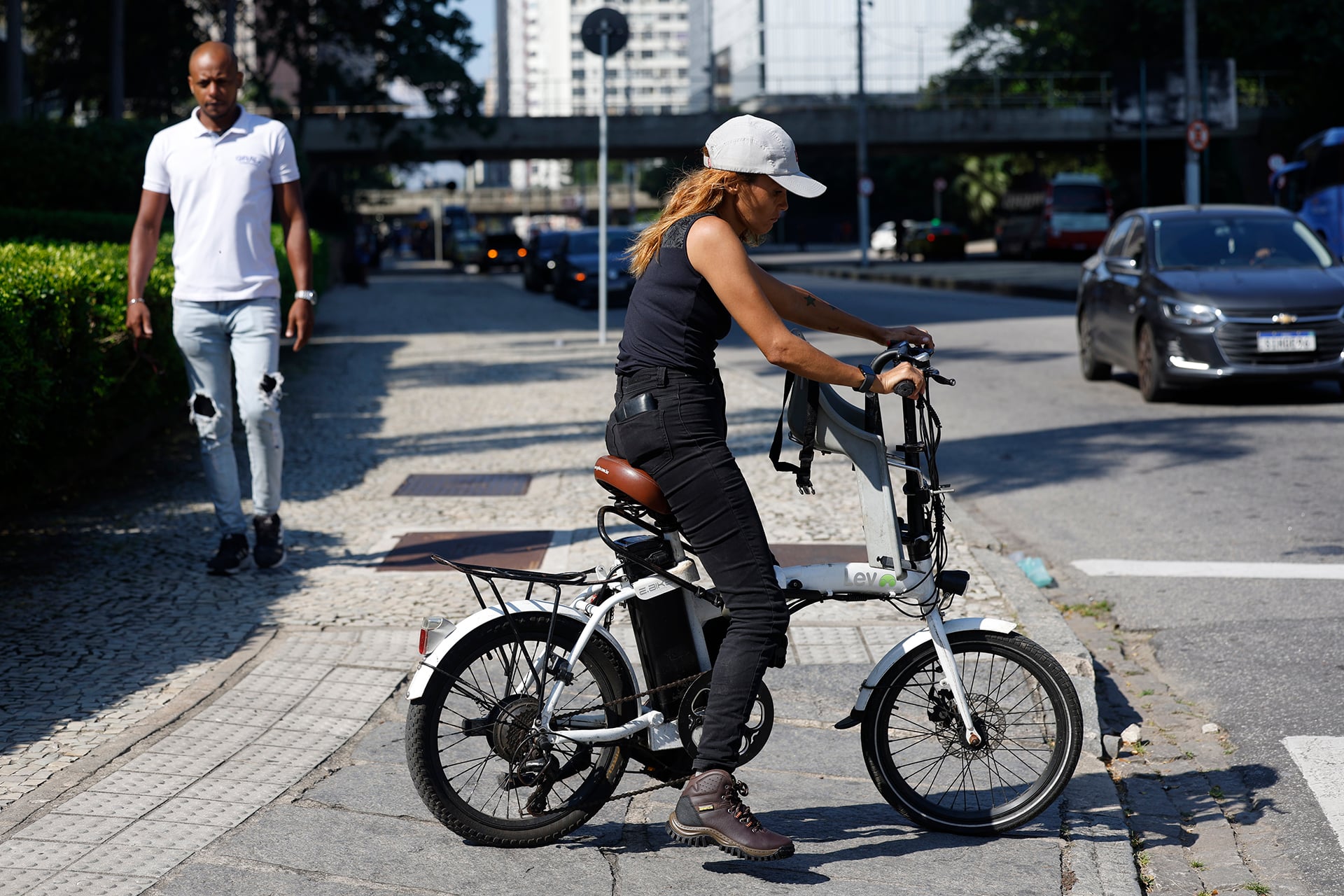
The standards divide equipment into distinct categories (self-propelled, electric bicycles and mopeds), applying specific rules for each one. Key changes include:
Despite the city’s effort to reorganize Rio’s traffic, ABVE maintains that the text conflicts with Resolution No. 996/2023 of the National Traffic Council (Contran). For the industry association, by expelling certain light vehicles from the cycling network and forcing them to share the asphalt with buses and cars, the municipal decree penalizes a form of sustainable mobility and creates a scenario of serious road insecurity.



