Company unveils 2026 strategy focused on autonomous driving, postpones new factories to focus on efficiency with existing models
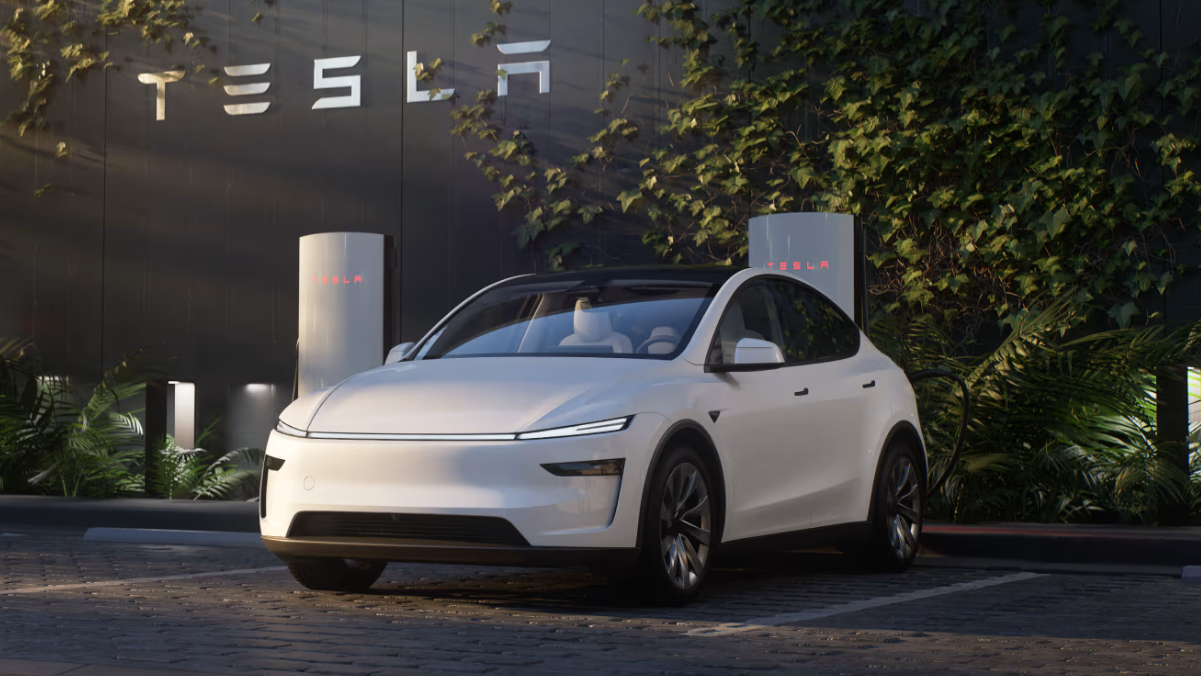
Tesla ended 2025 with its financial indicators under severe pressure, in direct reflection of a saturated electric market and the end of government subsidies. However, the crisis narrative was skillfully circumvented by Elon Musk: even with disappointing numbers in the rearview mirror, the company presented an aggressive roadmap for 2026, focused on artificial intelligence and automation, which was enough to calm shareholders.
The scenario of the last fiscal year was one of clear retraction. Annual revenue fell 3% to close at $94.8 billion, while vehicle deliveries fell to 1.76 million units. The hardest blow, however, came on the bottom line of the balance sheet: net income plummeted 46%, impacted by the withdrawal of the US$ 7,500 tax credit in the United States and the price war in the sector.
SEE ALSO:
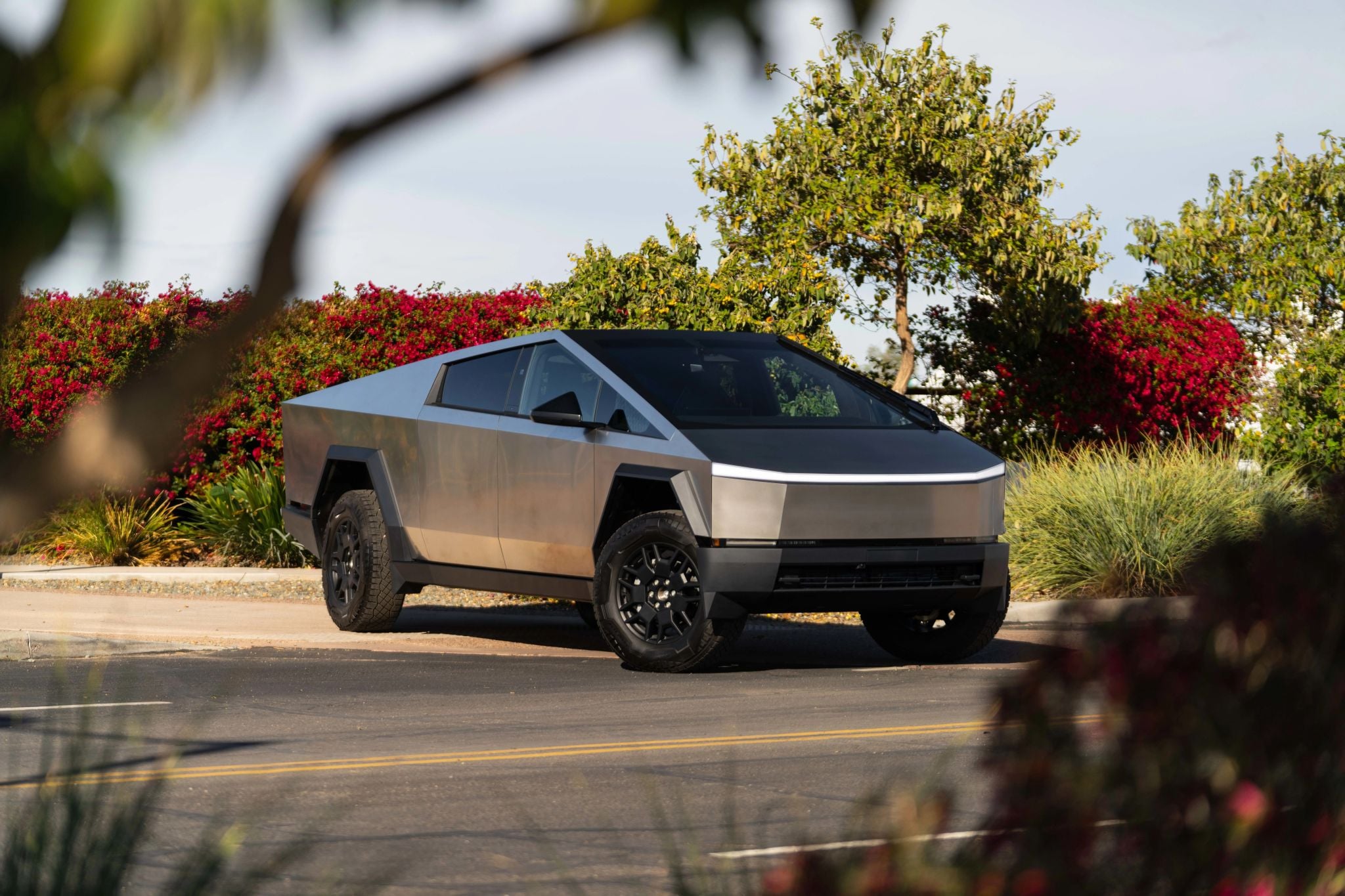
Despite the weak financial performance, the automaker’s shares reacted with a rise of more than 3% in after-market trading. Investors’ optimism is anchored in the promise of capital efficiency (capex). Instead of investing billions in building new gigafactories now, Tesla has chosen to maximize the capacity of existing assembly lines to launch its next products.
The plan for 2026 foresees the implementation of six new production lines. The focus is no longer just on the conventional passenger car to embrace the autonomy ecosystem: the industrial scale of the Tesla Semi truck, the launch of the Cybercab (the brand’s robot taxi) and the evolution of the humanoid robot Optimus.



