Newly published rules impose emergency devices and exclusive circuits in garages; find out what changes for residents and managers of São Paulo
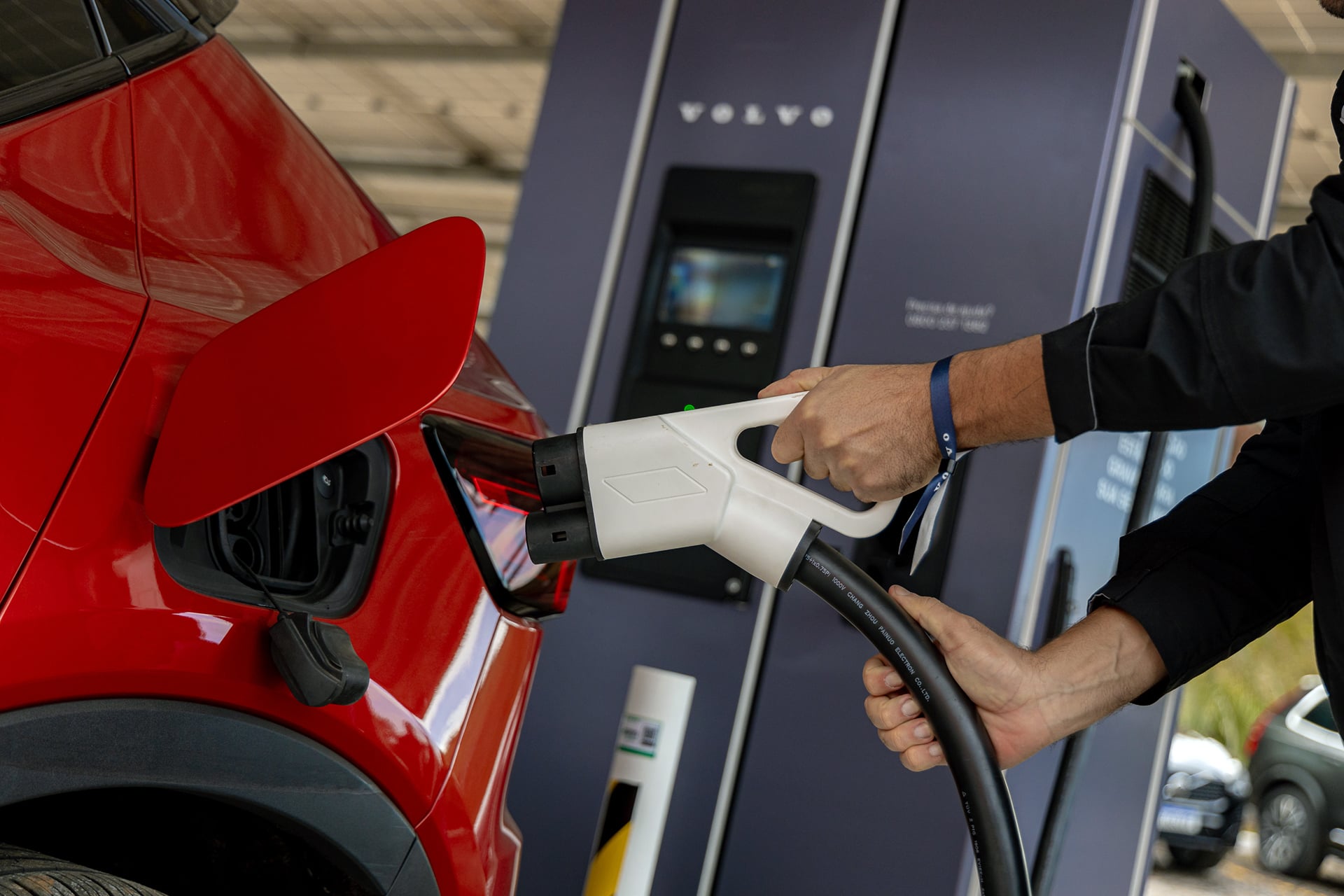
The Fire Department of the State of São Paulo has published new technical guidelines to regulate safety in the recharging of electric vehicles in residential and commercial areas. The measure, which updates Technical Instruction No. 41 (IT 41), establishes strict parameters for the installation of chargers in condominiums, aiming to mitigate fire risks and ensure the structural integrity of São Paulo buildings.
The regulation comes at a strategic time, serving as the technical arm for the new state law 18.403/2026. The legislation guarantees owners the right to install charging points in their private spaces, prohibiting condominiums from vetoing the installation without a plausible technical justification. The new rule seeks to reduce the legal uncertainty that hindered the transition to electromobility, especially in buildings built before the popularization of electric models.
SEE ALSO:
The technical standard details the Electric Vehicle Power Supply Systems (SAVE). Among the fundamental requirements, the obligation of an emergency shutdown device stands out. This control must be integrated into the building’s security system and be accessible in common areas, allowing immediate power cut in the event of a thermal anomaly or short circuit detected during charging.
In addition to operational safety, the electrical infrastructure requires extra attention from the managers. The use of extension cords, adapters or improvised connections is strictly prohibited. Each charging point must have a unique circuit, sized to support the continuous charge. The project must provide that the energy demand of the vehicle is compatible with the real capacity of the building electrical network, avoiding systemic overloads.
The process of drafting the standards had the collaboration of the Brazilian Electric Vehicle Association (ABVE) and international consultancy from the Norwegian association Elbilforening. With clear rules, the expectation is that the installation of charging points will occur with greater legal support, valuing the heritage and ensuring collective safety.



