Chinese prototype unveiled at CES uses home appliance technology with record-breaking aerodynamics and four independent motors.
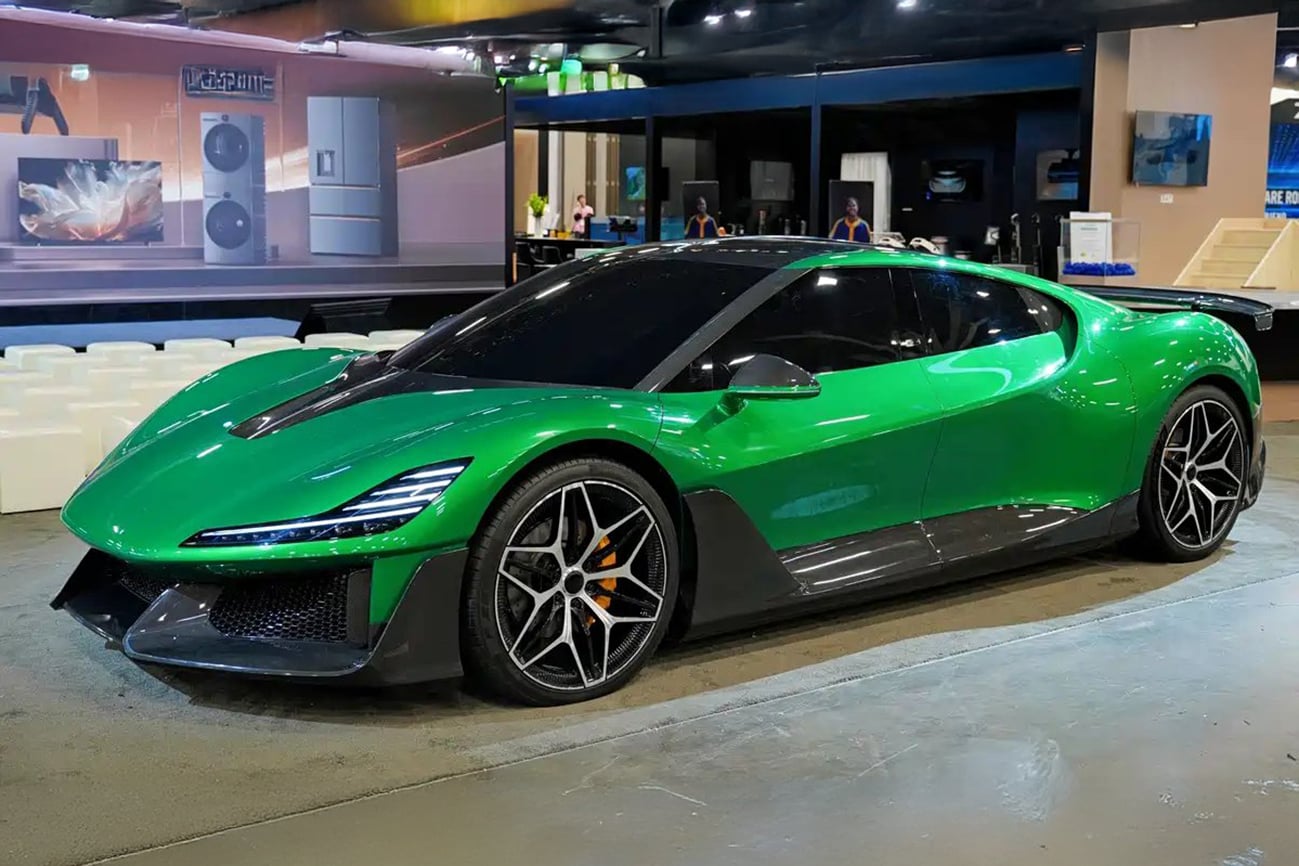
CES 2026 was the scene of an unlikely debut: the Chinese Dreame, known worldwide for the manufacture of vacuum cleaners and appliances, officially presented its automotive division with an impactful business card: the Nebula Next 01. The model is a four-door electric hypercar that promises to transfer the brand’s expertise in high-speed electric motors to the tracks, challenging the hegemony of traditional automakers.
Part of the strategic project called “Project Star”, the vehicle does not skimp on superlative numbers. The propulsion system uses four independent motors — one for each wheel — which, combined, generate 1,903 horsepower. According to the manufacturer, with the “Super Boost” mode activated, the sedan breaks the 100 km/h barrier in just 1.8 seconds.
SEE ALSO:
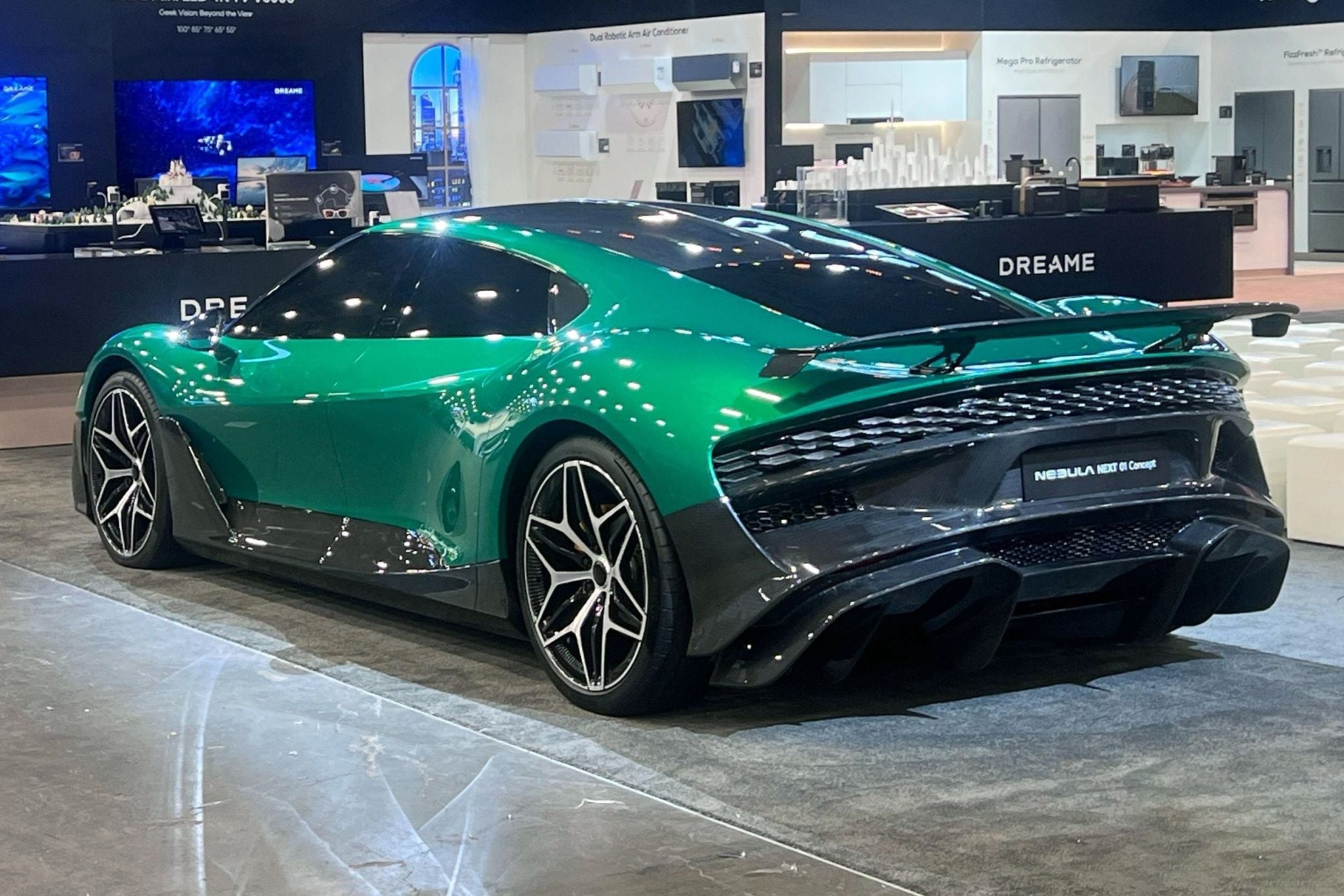
In addition to brute force, the project focuses on dynamic efficiency. The body was designed to “cut” the wind with minimal resistance, achieving a drag coefficient (Cd) of 0.185 — one of the lowest rates in the automotive industry today. To ensure stability, the design eliminates conventional door handles and adopts a fixed airfoil with a double-layer diffuser, maximizing downforce.
The frame combines high-strength steel and carbon fiber, resulting in a torsional stiffness of 45,000 Nm/rad. For comparison purposes, this structural strength index surpasses that of references in the sports segment, such as the Porsche Taycan, ensuring greater precision in high-speed corners.
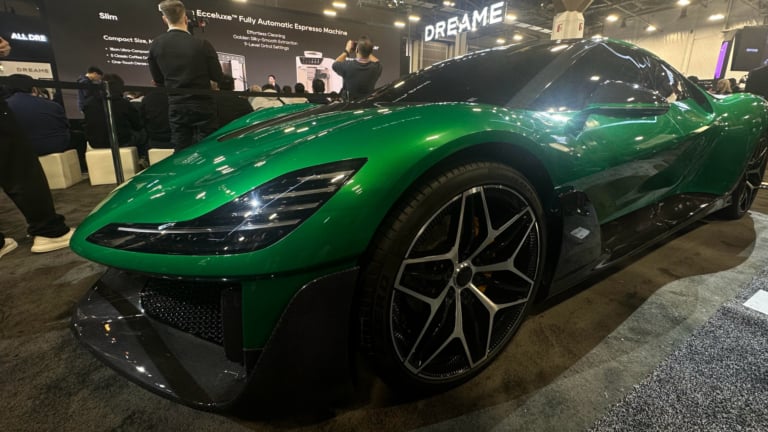
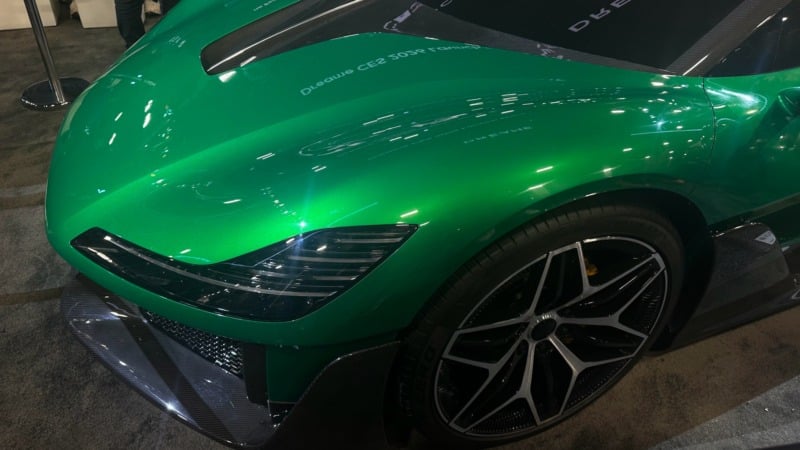
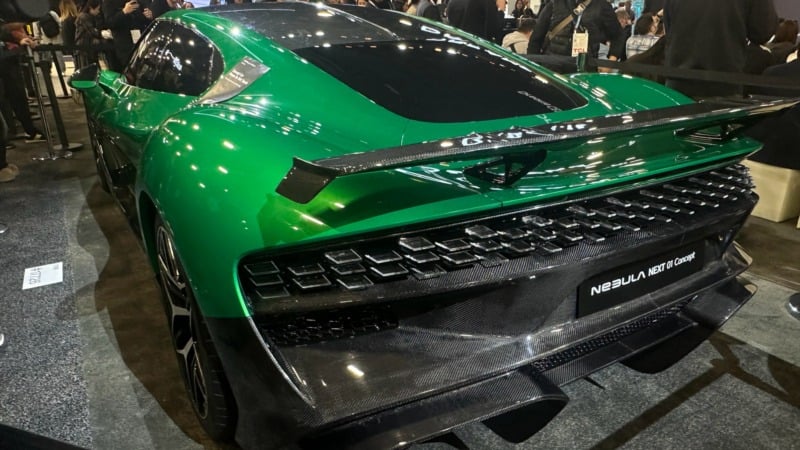
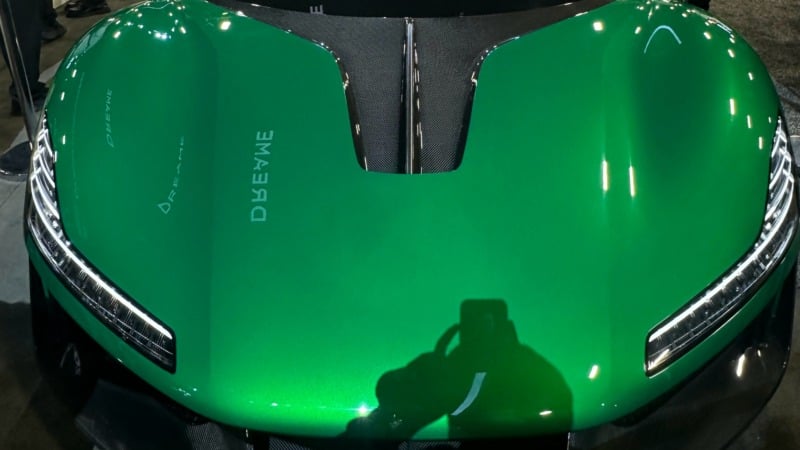
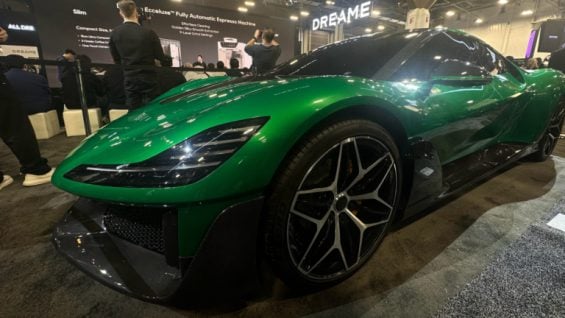
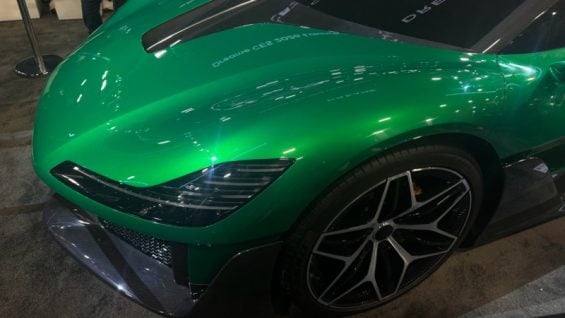
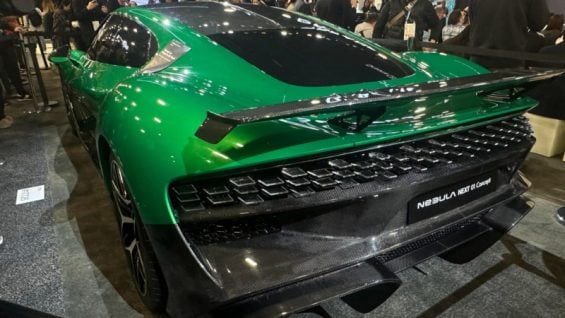
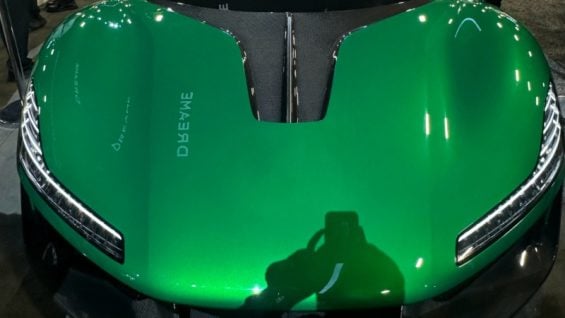
To manage the temperature of the four thrusters in extreme use, Dreame applied an individual cooling system for each drive unit, a technology derived from its studies in thermal management of high-performance home appliances.
Although the Nebula Next 01 has concept status, it anticipates the company’s actual technological base. Dreame Auto has confirmed plans to start large-scale production of electric vehicles in 2027. The innovations tested in this prototype should be applied to the future “Kosmera” line, which will be aimed at the mass consumer market, combining cutting-edge performance with everyday usability.



