With the increase in the electrified fleet, ABNT document and supported by Anfavea aims to qualify labor and ensure safe repairs
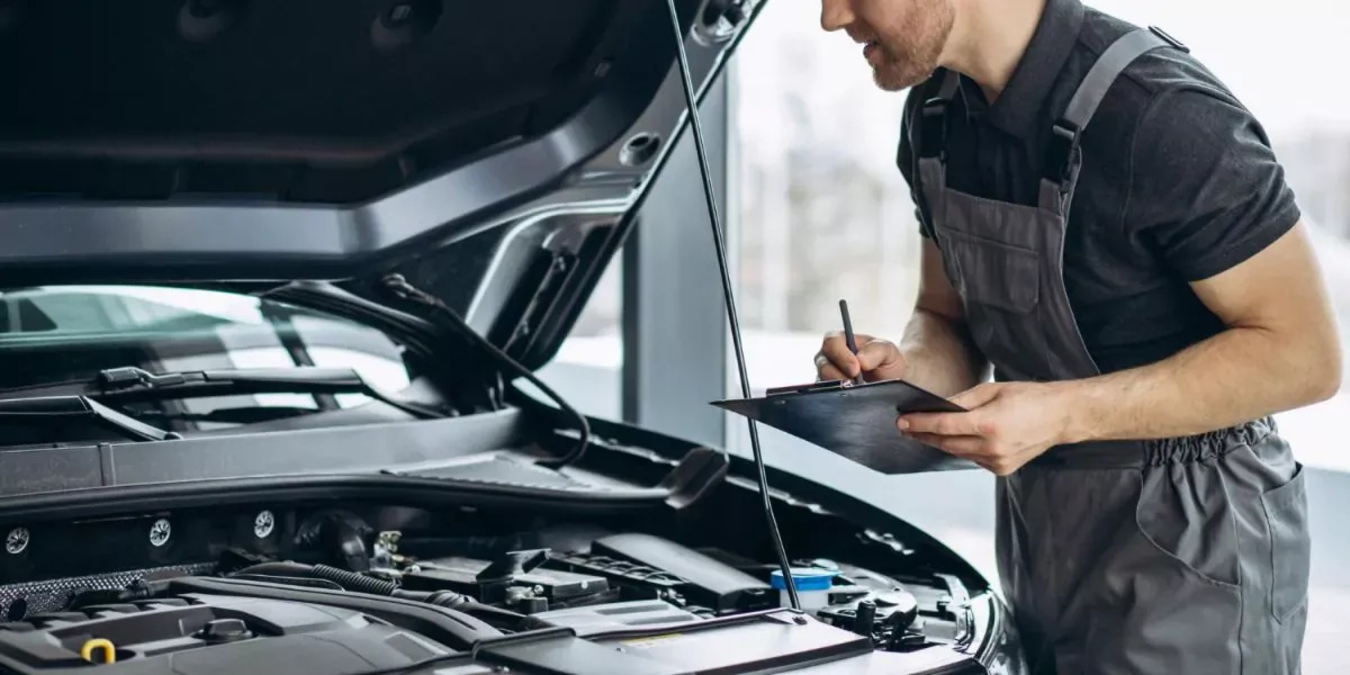
The ABNT (Brazilian Association of Technical Standards) published Recommended Practice (PR) 1025, a document that establishes the first official guidelines for the maintenance of electric and hybrid vehicles in Brazil. The move aims to fill a technical gap in the aftermarket sector, which faces the challenge of keeping up with the rapid electrification of the national fleet without a standardized service infrastructure.
SEE ALSO:
Currently, the growth in sales has exposed the shortage of skilled labor to handle high-voltage systems. The fear of owners and the market is that workshops will operate in a traditional way on engines that require scientific rigor, increasing the risk of fatal accidents and mechanical damage.
Unlike a law, PR 1025 works as a technical manual of excellence. The text covers the entire automotive chain, establishing protocols from the bench mechanic to towing and armoring services. The main advantage of the “Best Practice” format is agility: the document can be constantly updated to keep up with the evolution of the batteries.
The standard structures the sector in fundamental pillars:
Developed with the support of Anfavea, IQA and Sindirepa, the standard provides legal certainty to the market. Although it is not mandatory by law, it should become the parameter required by automakers and insurers for the validation of guarantees and payment of claims.
In the short term, compliance with ABNT tends to cease to be a differential to become an operating requirement. For the consumer, the measure offers the guarantee that the vehicle will be handled according to internationally validated safety standards, mitigating the risks inherent to electric propulsion technology.



