Measure aims to compensate for PIS/Cofins exemption on aviation kerosene and biodiesel; minimum price of the pack should rise to R$ 7.50
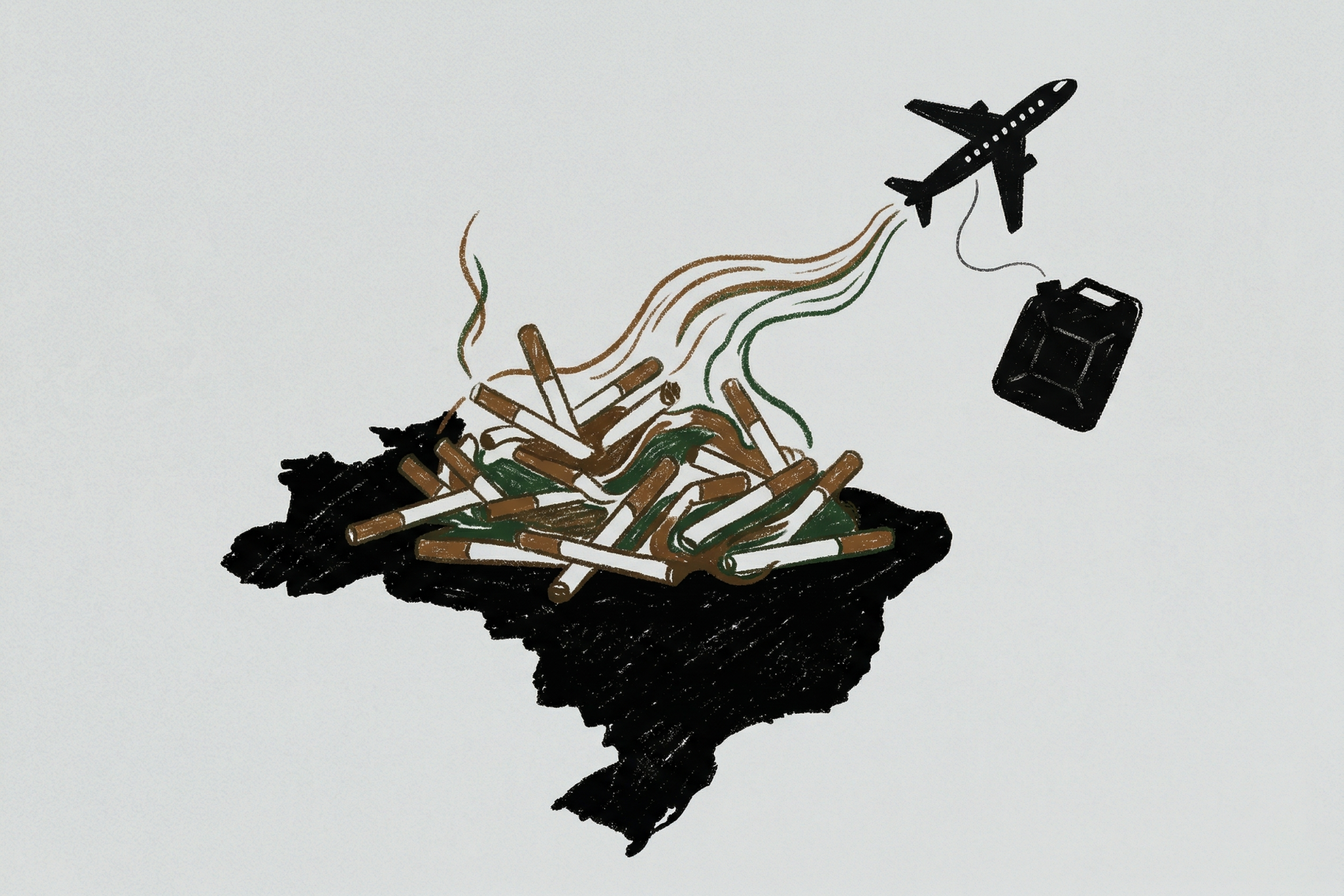
The federal government announced, at the beginning of the week, the increase in the Tax on Industrialized Products (IPI) that is levied on cigarettes. The measure seeks to neutralize the loss of revenue generated by the exemption from federal taxes on aviation kerosene (QAV) and biodiesel, as part of a package to contain the volatility of fuel prices in the domestic market.
The IPI rate on tobacco will jump from 2.25% to 3.5%, in an adjustment that should push the minimum price of the cigarette portfolio from the current R$ 6.50 to R$ 7.50 – a level that had been frozen since 2016. According to projections by the economic team, the tax reinforcement should inject R$ 1.2 billion into the public coffers in the next two months. The movement occurs in parallel with the zeroing of the PIS and Cofins rates on QAV, which should alleviate the cost of airlines by about R$ 0.07 per liter.
SEE ALSO:
The executive secretary of the Ministry of Finance, Dario Durigan, considered that previous readjustments in the sector did not result in a drastic drop in consumption or in significant jumps in revenue, but stressed the immediate need to recompose revenues. The government is also betting on the appreciation of commodities to balance the Budget.
According to the Minister of Planning and Budget, Bruno Moretti, the increase in revenues from oil royalties – driven by the rise in the international price of a barrel – should contribute an extra R$ 16.7 billion in 2026. This amount will help pay for exemptions estimated at R$ 10 billion, which also include a 12% tax on crude oil exports.
The fiscal strategy aims to achieve a primary surplus of R$3.5 billion in the year, disregarding extraordinary expenses. In the consolidated scenario, however, the forecast is for a deficit of R$59.8 billion, evidencing the Treasury’s effort to maintain the sustainability trajectory of public accounts in the face of external pressures.



