Strategy of brands such as Geely and Chery prioritizes powerful electric motors and smaller batteries to reduce costs and win global markets
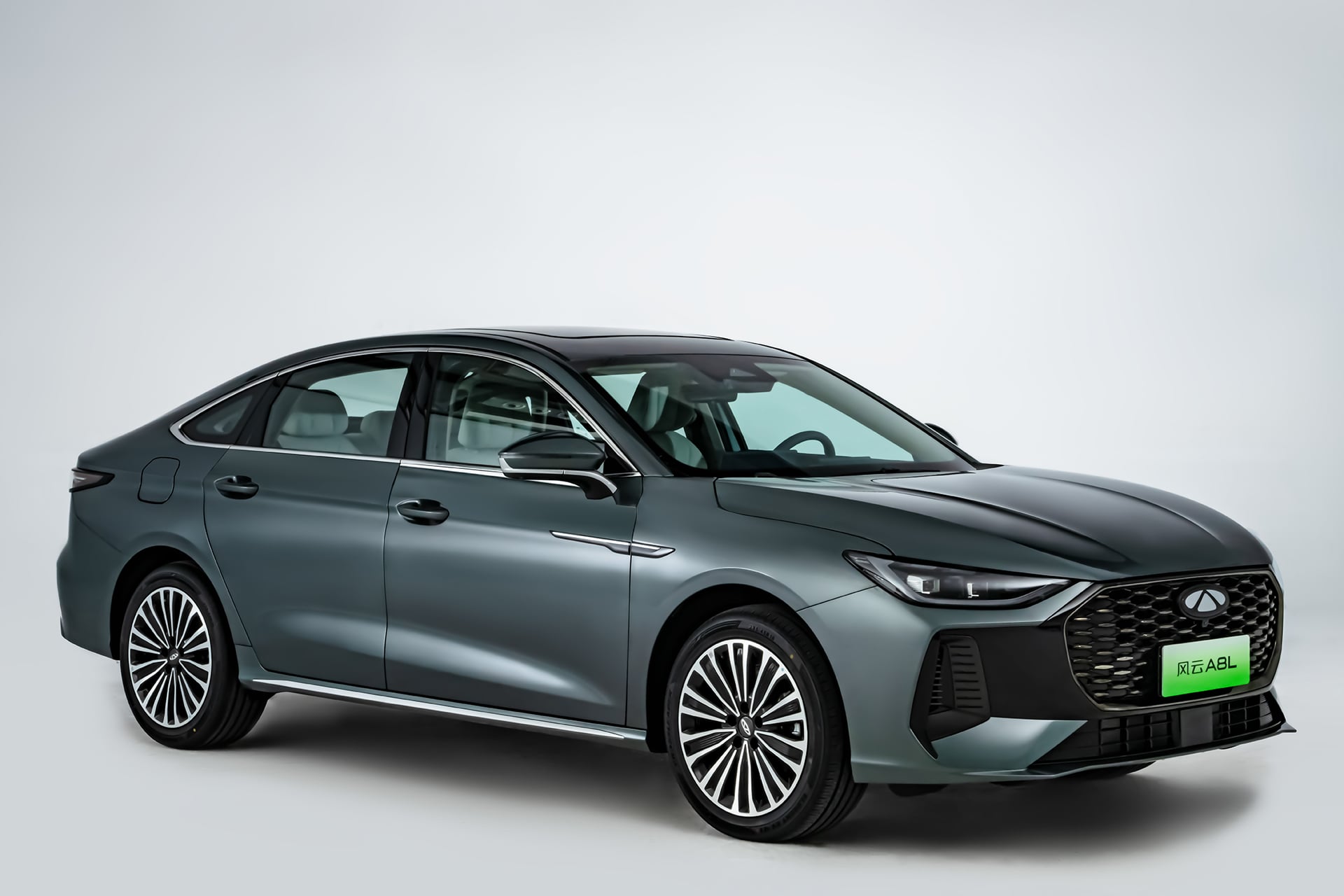
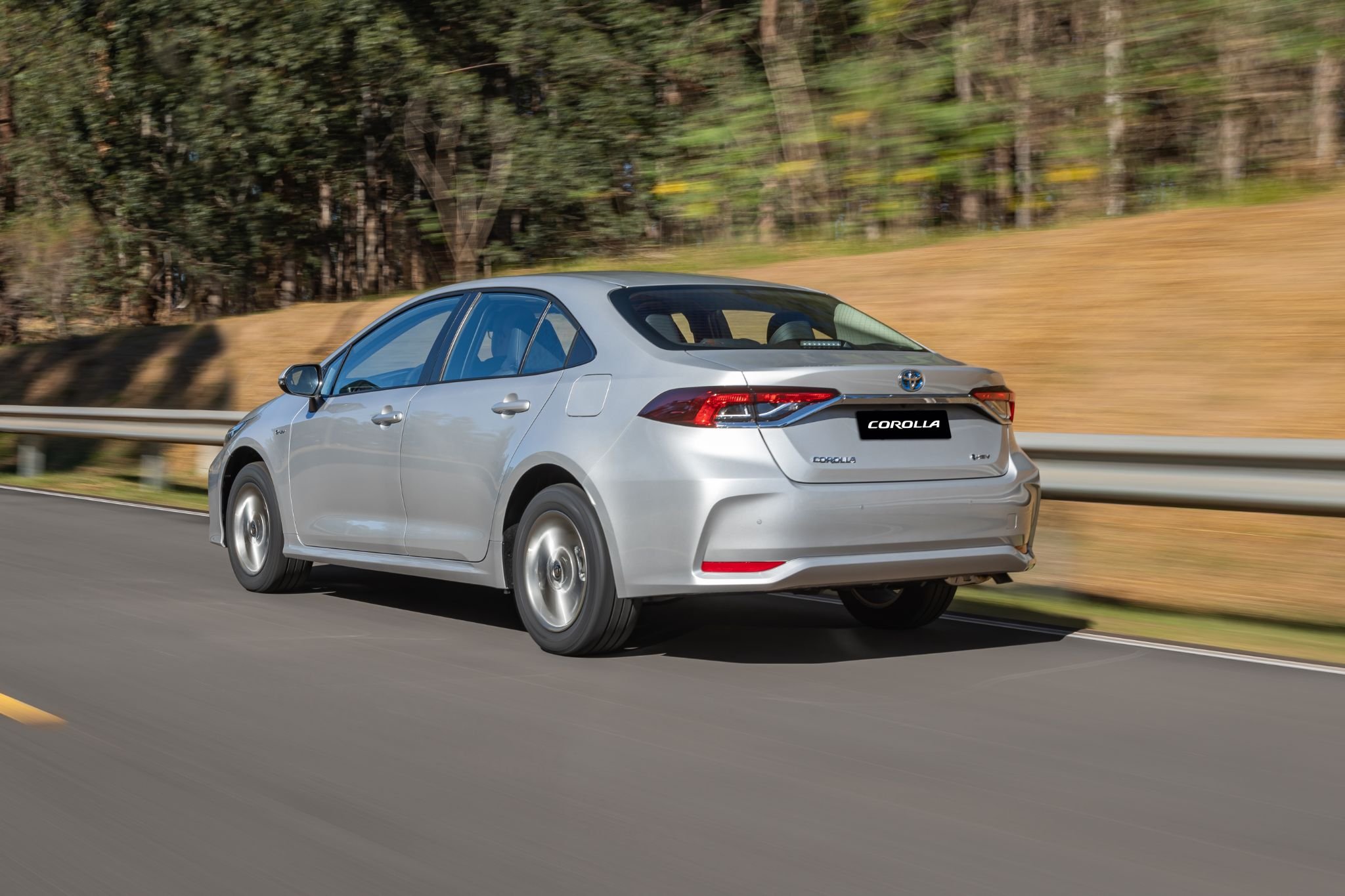
Chinese automakers, after consolidating hegemony in the electric vehicle and plug-in segment, will begin a new phase of global expansion in 2026: the direct attack on conventional hybrids (HEV), a niche historically dominated by Toyota. Giants such as Geely and Chery are redirecting efforts to models that do not require external charging, targeting markets where electricity infrastructure is limited or the cost of energy is high.
The change of course responds to the end of government subsidies in China for plug-in hybrids and the need to optimize profit margins. By using batteries that are significantly smaller than those applied in pure electric vehicles, manufacturers reduce exposure to lithium price volatility. This financial engineering makes it possible to maintain competitive prices in exports to emerging countries, where purchasing power is a determining factor.
SEE ALSO:
Unlike the Japanese approach, which favors smoothness of operation and urban consumption, the new Chinese systems bet on high electrical performance. Brands such as Geely use dedicated hybrid transmissions (DHT) with multiple gears combined with electric motors that deliver between 176 hp and 245 hp. The technical goal is to achieve consumption marks close to 2 liters per 100 km, equivalent to an efficiency of 50 km/l.
Changan is moving forward with the Blue Core system, which predictively switches between electric traction and direct combustion to optimize performance. Chery, on the other hand, is testing prototypes with 5 kWh batteries — a capacity higher than the segment average — seeking a “gray zone” that offers greater autonomy in purely electric mode without requiring connection to outlets. With the tax siege closing in on pure electric vehicles in the West, the traditional hybrid emerges as the strategic vector for Chinese consolidation in the world automotive market.



